TOKYO (Realist English). A severe global shortage of memory chips is forcing artificial intelligence developers and consumer-electronics makers to compete for dwindling supplies, as prices soar across nearly every category of storage components essential to modern devices.
Retailers in Japan have begun rationing hard-disk drive purchases. Chinese smartphone makers are warning of imminent price hikes. And major tech companies — including Microsoft, Google and ByteDance — are urgently seeking guaranteed supply from chip producers such as Micron, Samsung Electronics and SK Hynix, according to industry executives familiar with the discussions.
The crunch spans everything from standard flash memory to high-bandwidth memory (HBM), the advanced chips feeding Nvidia’s AI processors. Prices in some segments have more than doubled since February, according to TrendForce, drawing traders betting on further gains.
Economists warn the shortage could slow AI-driven productivity improvements, delay hundreds of billions of dollars in digital-infrastructure projects, and add inflationary pressure at a moment when governments are trying to restrain price growth and navigate U.S. tariffs.
“The memory shortage has graduated from a component issue to a macroeconomic risk,” said Sanchit Vir Gogia, CEO of Greyhound Research. The AI boom, he added, “is colliding with a supply chain that cannot meet its physical requirements.”
Chipmakers face a dual bind
Interviews with nearly 40 executives and suppliers show the industry struggling to meet exploding demand for advanced AI chips while having simultaneously diverted production away from conventional memory needed for smartphones, PCs and consumer electronics.
Average inventory levels at DRAM suppliers fell to two–four weeks in October — down sharply from 13–17 weeks in late 2024.
The pivot toward high-margin HBM, coupled with rising competition from Chinese DRAM producers, left major manufacturers unprepared for a rebound in traditional device sales. Samsung, SK Hynix and Micron each signalled cuts to DDR4 and LPDDR4 production in 2024, moves they are now reversing as shortages deepen.
SK Hynix expects the crunch to persist until late 2027, according to analysts at Citi.
AI giants “begging for supply”
After ChatGPT’s launch triggered the global race to build AI data centres, Samsung and SK Hynix became the bottleneck for HBM — a component critical to Nvidia’s dominance in AI chips. By October, both firms had sold out their 2026 supply.
OpenAI has already signed preliminary deals with Samsung and SK Hynix for its Stargate super-cluster, which could require up to 900,000 wafers per month by 2029 — roughly double the world’s current monthly HBM output.
Global cloud and AI companies are now placing open-ended orders for memory. Two people familiar with negotiations told Reuters that Google, Amazon, Microsoft and Meta informed Micron they would take “as much as it can deliver, regardless of price.”
Chinese giants — including Alibaba, Tencent and ByteDance — have dispatched executives to Seoul to lobby Samsung and SK Hynix for allocation. “Everyone is begging for supply,” one industry source told Reuters.
Consumer electronics bracing for price spikes
The shortage is beginning to hit everyday products. Xiaomi and Realme warned they may raise smartphone prices by up to 30% by mid-2026. “The cost surge is unprecedented in the smartphone era,” Realme India executive Francis Wong said.
Laptop maker ASUS is adjusting prices as memory inventory tightens, while Taiwan’s Winbond is boosting capital spending to meet surging demand.
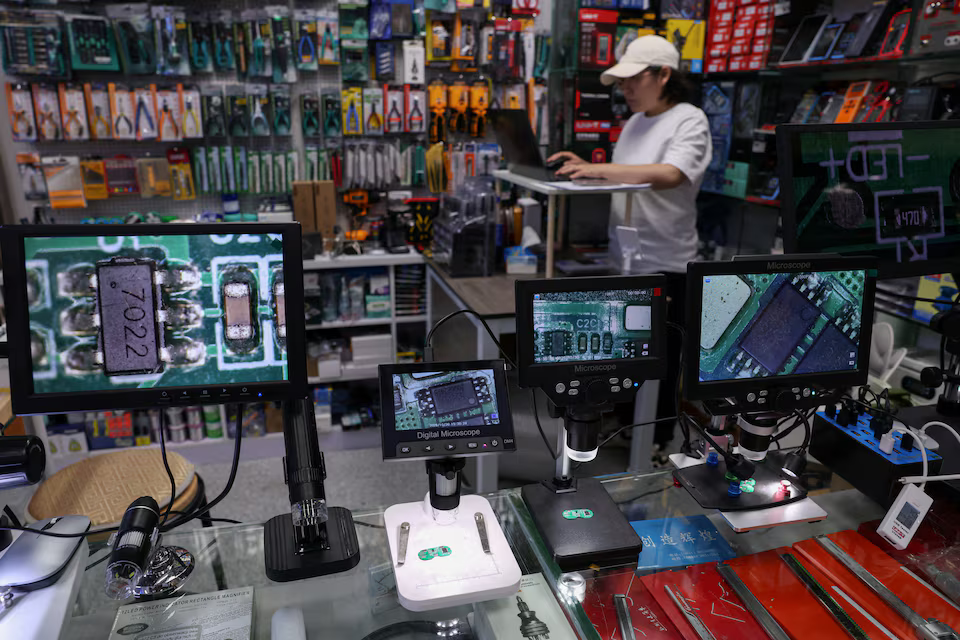
In Tokyo’s Akihabara electronics district, stores have limited purchases to prevent hoarding. Prices of DDR5 memory popular with gamers have nearly tripled since October. Some shops report one-third of inventory is sold out.
A booming second-hand market has emerged: U.S. seller Paul Coronado, whose company recycles low-end memory chips from old data-centre servers, said monthly sales have jumped from $500,000 to nearly $900,000 — mostly to Hong Kong intermediaries supplying Chinese buyers.
Supply relief still years away
Samsung and SK Hynix are building new capacity, but conventional-memory factories will not come online until 2027 or 2028. Chipmakers remain cautious about overbuilding, fearing that current demand could cool before new plants begin production.
Industry analysts expect memory prices — both advanced and legacy — to rise at least 30% by year-end and another 20% in early 2026.
With AI build-outs accelerating and supply constraints intensifying, many executives fear the shortage will shape the industry for years — with effects reaching far beyond the tech sector.