LONDON (Realist English). On June 18 and 19, the global gold market found itself at the center of several contradictory but equally alarming trends. While World Gold Council CEO David Tait sounds the alarm over a “crisis” in precious metal smuggling, gold prices are heading for their third consecutive weekly loss, and the Russian state has failed for the fourth time to sell the nationalised gold miner Yuzhuralzoloto (UGC).
Gold smuggling reaches ‘crisis’ proportions
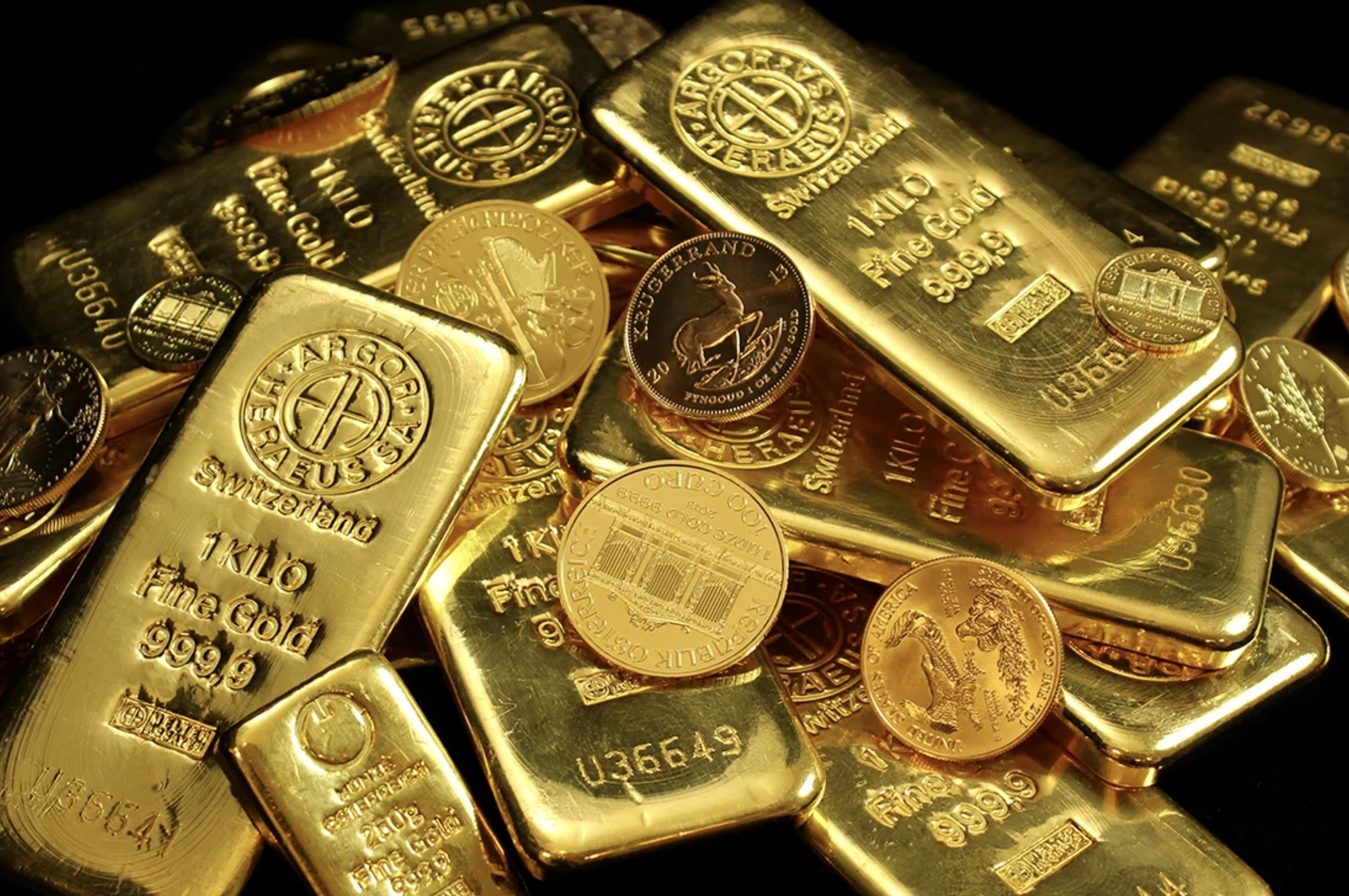
Gold mining industry leaders have warned of a sharp rise in illegal gold trading, describing the situation as a “crisis.” According to World Gold Council estimates, the annual volume of illegal gold flows exceeds $120 billion.
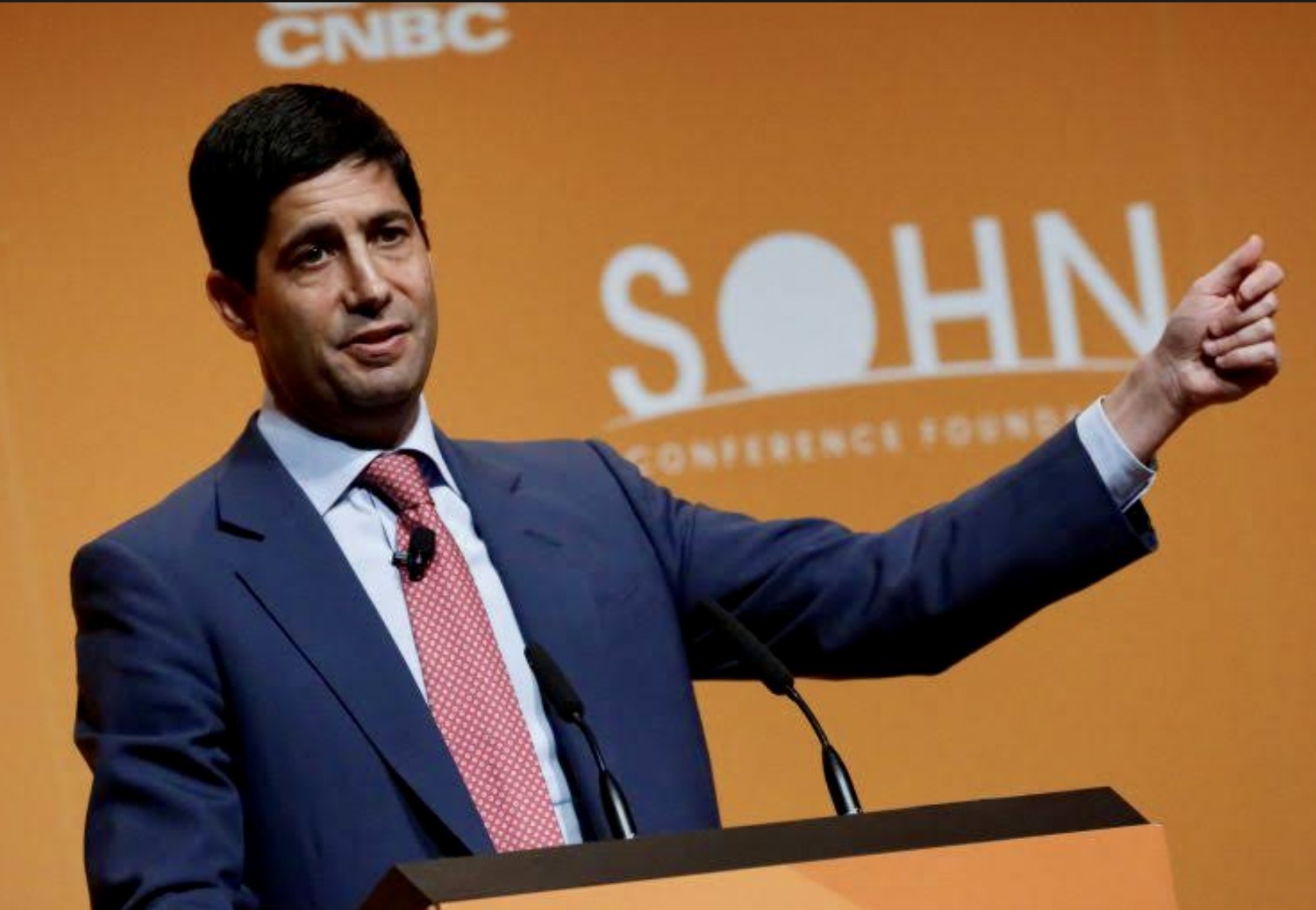
“Illegal gold trading on an annualised basis significantly exceeds 120 billion dollars,” said David Tait, noting that the main source of the problem is the artisanal mining sector. Rising global gold prices have activated illicit financial flows, fuelling organised crime and financing armed conflicts in several regions.
The problem is particularly acute in India, where, according to dealer estimates, illegal gold imports in 2026 could exceed 100 tonnes — five times more than in 2025. At current prices, this corresponds to a value of about $14.35 billion, with lost duties and taxes amounting to roughly $2.65 billion.
Indian authorities recorded 3,005 cases of gold smuggling in the financial year ending in March, confiscating about 2.6 tonnes of the precious metal.
The World Gold Council is calling for tighter gold traceability standards to curb illegal flows that, according to experts, “drive corruption, harm the environment and fuel conflicts.”
Gold prices fall for third straight week
Paradoxically, record gold prices, which are stimulating smuggling, have shown a steady decline in recent weeks. On June 19, gold continued to fall and was on track for a third straight weekly decline.
Spot gold fell 0.5–0.7% to $4,184–$4,189 per ounce. August gold futures on the US market lost 1.1%, falling to $3,199 per ounce. At one point, the price dropped to $4,163.93.
The main reason for the decline was the strengthening dollar amid hawkish signals from the US Federal Reserve. The updated Fed “dot plot” showed that nine of 18 officials expect at least one rate hike by the end of the year. This reinforced expectations of high interest rates, putting pressure on non-yielding gold.
Analysts note that even optimism over the US-Iran peace agreement earlier in the week failed to hold prices. Moreover, as prices fall, investors are adjusting their forecasts: instead of the previously expected $5,400 per ounce by December, the projected level is now around $4,900.
Russia fails to sell Yuzhuralzoloto for fourth time
Against this backdrop, another failure befell the Russian state, which for the fourth time attempted but failed to sell the nationalised gold mining asset.
Offered for sale as a single lot were 67.2% of shares of PJSC Yuzhuralzoloto (the main asset valued at 140.4 billion rubles), as well as several related companies. The auction followed a Dutch model, where the price could fall to 50% of the starting price — to 81.01 billion rubles. However, even this failed to attract buyers.
The first auction did not take place back in May. The second attempt also failed due to a lack of sufficient participants. The third attempt was declared invalid as no participants were admitted. The fourth auction, whose results were to be announced on June 19, was also declared void.
The Federal Property Management Agency has not yet commented on further plans for the sale of the asset. However, given the strategic importance of gold mining for the budget, the fate of UGC remains an open question.