WASHINGTON (Realist English). U.S. Defence Secretary Pete Hegseth has pledged to “restore U.S. military dominance” across the Western Hemisphere, declaring the Monroe Doctrine “in effect” and “stronger than ever” as Washington formally reorients its national security priorities toward its immediate geographic sphere.
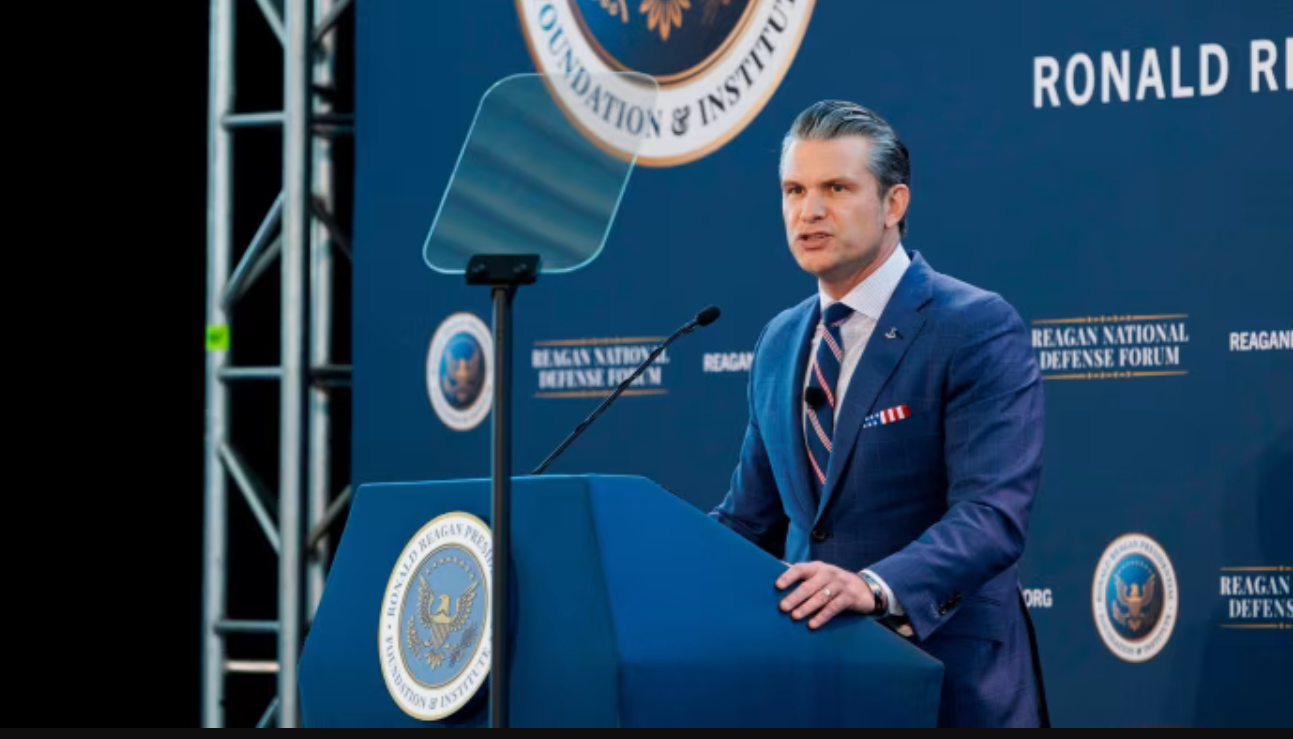
Speaking at the Reagan National Defense Forum in California, Hegseth said the Pentagon’s primary mission would now be “defending the U.S. homeland and our hemisphere,” following the release of the administration’s new national security strategy on Friday. The document places the Western Hemisphere at the top of America’s “core, vital interests” and sharply reduces the emphasis on countering China and Russia that featured in previous strategies — including Joe Biden’s NSS and Donald Trump’s first-term framework, which labelled Beijing and Moscow “revisionist powers.”
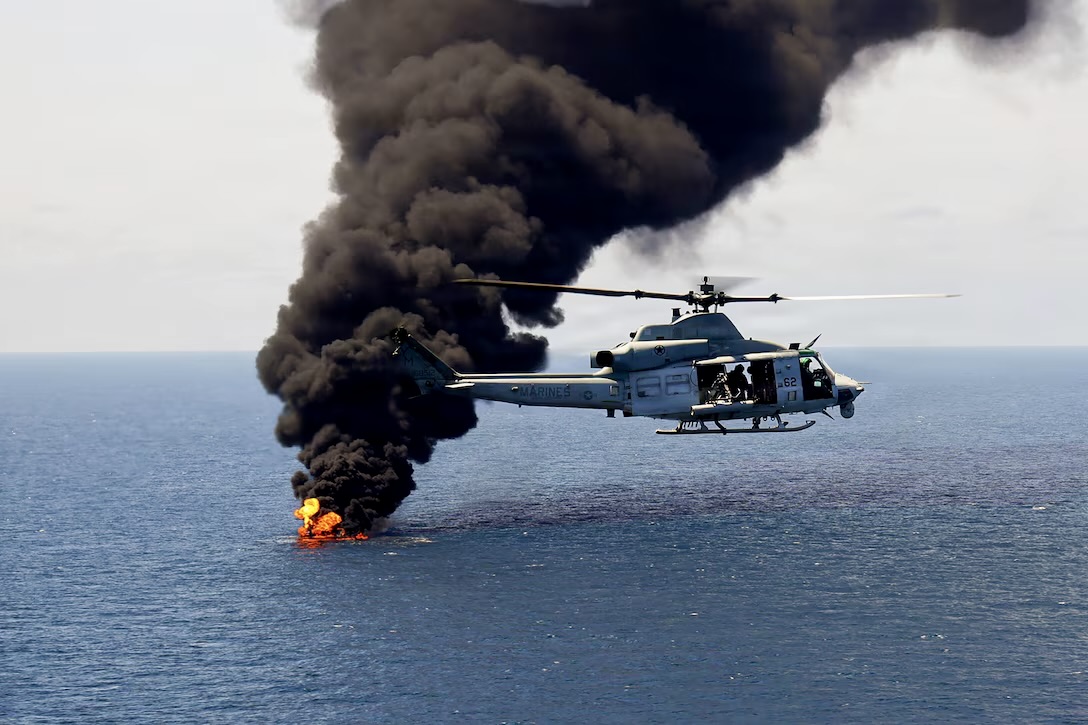
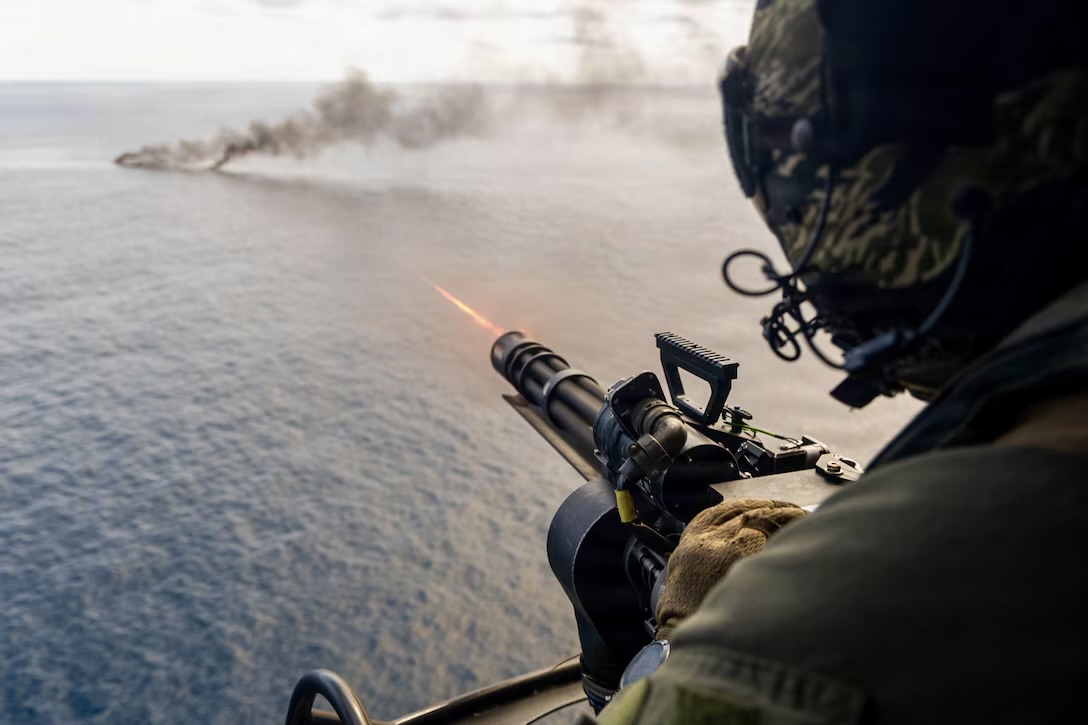
Trump’s second-term strategy introduces what officials have called a “Trump Corollary” to the Monroe Doctrine and signals a potential expansion of U.S. bases, troop deployments and military operations across the region. The U.S. Navy already has its largest active deployment in the Caribbean, with more than a dozen warships and over 14,000 troops in place. Washington has conducted 22 strikes on suspected drug-smuggling vessels in the Caribbean and Eastern Pacific, killing at least 87 people, and is weighing options for potential strikes inside Venezuela.
Hegseth — facing scrutiny over the legality of the opening double strike in the U.S.’s new counter-trafficking campaign — defended the actions as essential to deterring threats “to our nation’s interests” in the hemisphere. Under questioning, he declined to commit to releasing full video footage of the September 2 strike and the follow-up attack that killed two survivors, despite demands from lawmakers and signals from Trump that he may authorise the release. “We’re reviewing it right now … it’s an ongoing operation,” Hegseth said.
He continued to distance himself from the decision to launch the second strike, saying he “had left the room” and did not personally order it — while adding that he supported the decision and would have made the same call.
In prepared remarks, Hegseth said the U.S. military stood ready to secure “access to key terrain like the Panama Canal, the Caribbean, the Gulf of America, the Arctic and Greenland,” and warned that regional partners “must do their part.” Mexico has made progress, he noted, but Washington wants faster results.
“We will also deny adversaries the ability to position forces or other threatening capabilities in our hemisphere,” Hegseth said.
He outlined three additional priorities:
• Deterring China through strength, not confrontation;
• Increasing burden-sharing among allies;
• And “super-charging” the U.S. defence industrial base.
Hegseth described Washington’s approach to China as seeking a “balance of power, not domination,” saying the U.S. must project strength while avoiding unnecessary escalation. Beijing, he said, must see “unquestionable U.S. military capabilities” — even as Washington recognises the scale of China’s ongoing military build-up.
The secretary acknowledged security challenges in Europe and the Middle East, but warned that countries in those regions could no longer “free ride” on U.S. defence commitments.