DUBAI (Realist English). The Strait of Hormuz, through which about 20% of the world’s oil passed before the war, has become a zone of extreme risk.
The Joint Maritime Information Centre (JMIC), under the leadership of the US Navy, has for the first time since mid-June raised the threat level to “severe” — the highest category, indicating a high probability of “deliberate hostile acts.”
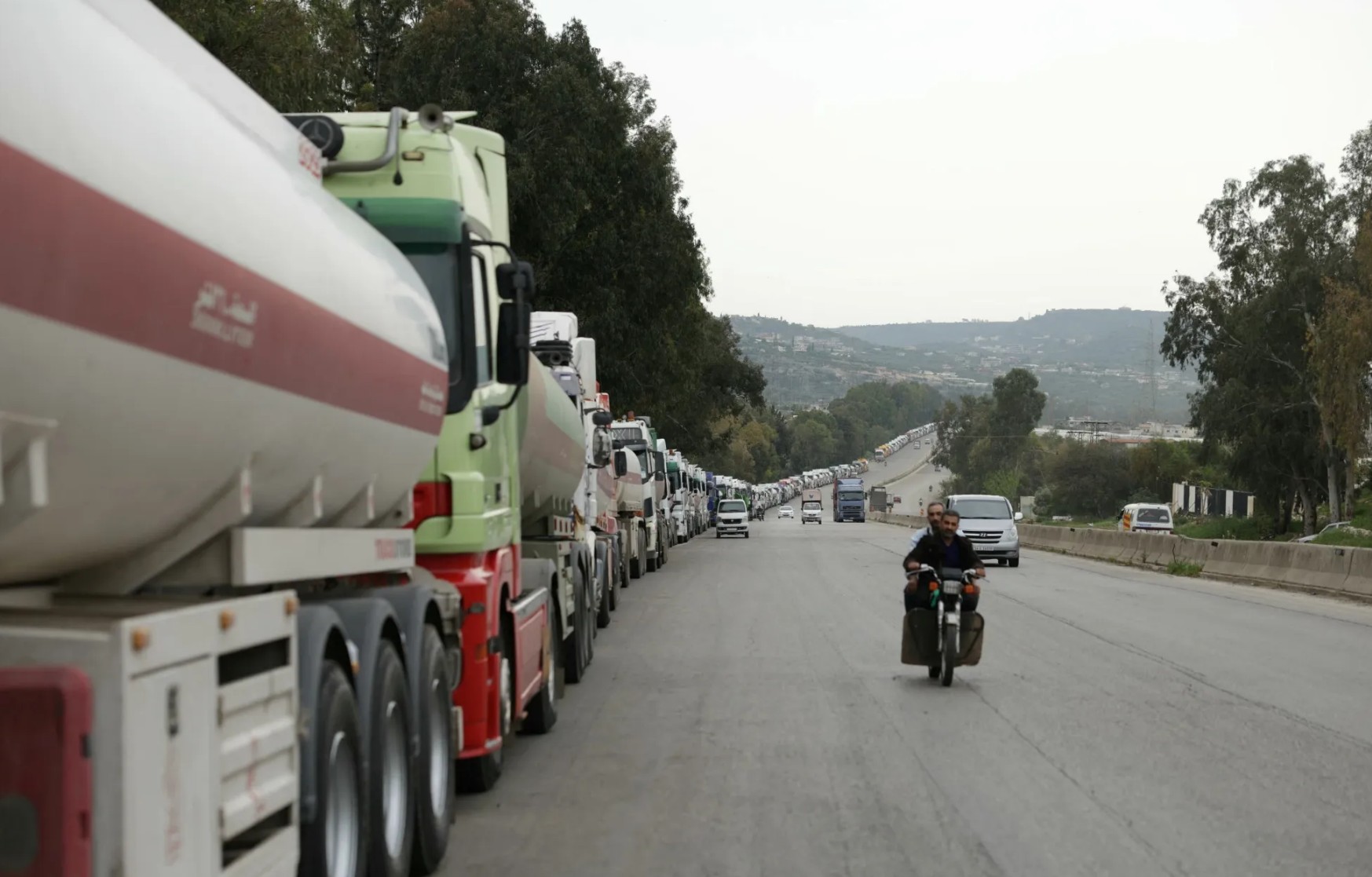
Tanker traffic has fallen by 97% compared to pre-war levels.
The Cost of Insurance: From $6 Million per Voyage to a 4,000‑Fold Increase
At the height of the crisis, war risk insurance rates for vessels transiting the strait reached 10% of the vessel’s value. For a tanker worth $100 million, that meant $10 million for a single voyage.
After the signing of the “Islamabad Memorandum” on June 17, rates temporarily fell to 2%, but a new wave of attacks on commercial vessels in early July once again sent the market into turmoil.
As of July 10, rates are fluctuating in the range of 2–6% of the vessel’s value. For a $100 million tanker, insuring a single transit through the strait will cost up to $6 million.
Before the conflict began on February 28, 2026, a seven‑day insurance policy cost 0.001% of the vessel’s value — an increase of nearly 4,000 times.
“This crisis is a high‑stakes game for insurers,” notes David Smith, head of marine at London‑based broker McGill and Partners. “Insurance premiums track geopolitics almost on an hourly basis.”
Six Minutes to Finalise: How Insurance Works in a War Zone
Lloyd’s underwriters, who for more than 300 years have been maintaining the “Loss Books” by hand with pen and ink — including the entry for the sinking of the Titanic in 1912 — are now being pushed to their limits. The time to finalise a policy for a transit through the Strait of Hormuz has shrunk from the usual 24–48 hours to six hours.
One broker told CNN how a shipowner called him in the morning to insure a voyage. He quoted a price. The shipowner called back in the afternoon to confirm the transit and “bind cover.”
The problem: the vessel was due to enter the strait six minutes after the call.
“It took me and three brokers shouting at underwriters on the phone,” Smith recalled. Within 10 minutes, the insurance certificate was already on the ship’s bridge. The crew insisted on seeing the policy with their own eyes — so that their families would receive compensation in the event of their deaths.
War risk policies are issued for 3–7 days and can be revised every 24–48 hours. Some underwriters offer “no‑claims bonuses,” returning up to 50% of the premium if the vessel passes through the strait without incident.
Shipowners Abandon the Strait: Traffic Collapses by 97%
Amid rising rates and renewed attacks, shipowners are increasingly shunning transits. London marine insurers report a sharp drop in requests for quotations. According to Lloyd’s List Intelligence, since July 7, no major vessel has passed along the Oman coast route with its transponder on.
Satellite data shows that on July 10, only two tankers passed through the strait — a sanctioned vessel loaded at Iran’s Kharg Island and a chemical tanker flying the Marshall Islands flag.
By comparison, before the war, 125–140 vessels passed through the strait daily.
More than 6,000 seafarers remain stranded on vessels in the strait.
International Maritime Organization (IMO) Secretary‑General Arsenio Dominguez warned that passage through the Strait of Hormuz should be avoided “until the safety and security of crews can be guaranteed.”
The Market Insures Risks: Lloyd’s $200 Million Consortium
On June 19, Lloyd’s and Chubb launched a new marine war consortium to insure vessels and cargo passing through the Strait of Hormuz. The consortium provides up to **$200 million** in coverage separately for hull and liability, with an additional $200 million for cargo.
The lead underwriter is Chubb, supported by Lloyd’s syndicates.
“We welcome the launch of this new consortium, which will increase the depth and breadth of solutions for brokers and clients,” said Patrick Tiernan, Lloyd’s Chief Executive.
Forecast: Rates Will Not Fall Until a Real Ceasefire
Marcus Baker, global head of marine at broker Marsh, warned: “In recent days, rates have risen again following attacks on vessels, and it is unlikely they will fall until the market truly believes that the risk environment has changed. These ‘roller‑coaster’ conditions are unlikely to stop until a real and lasting ceasefire is in place.”
“The risk will remain high for all vessels transiting the Strait of Hormuz for the foreseeable future, until there is a bilateral agreement between the US and Iran,” confirms Sherwan Hindrin Ali, Middle East Research Manager at ACLED.
Insurance for vessels in the Strait of Hormuz has become a high‑risk business, with a six‑hour window to finalise policies and multi‑million‑dollar premiums.
Tanker traffic has virtually ground to a halt, thousands of seafarers remain stranded, and Lloyd’s underwriters are operating at full capacity.
Until Washington and Tehran reach a lasting peace, the “roller‑coaster” of rates and risks will continue.