TEHRAN (Realist English). Iranian Parliament Speaker Mohammad Baqer Qalibaf praised a recent joint letter from Iran, Russia, and China to the United Nations, describing it as evidence of “strategic solidarity” among the three powers in opposing Europe’s attempt to reinstate UN sanctions against Tehran.
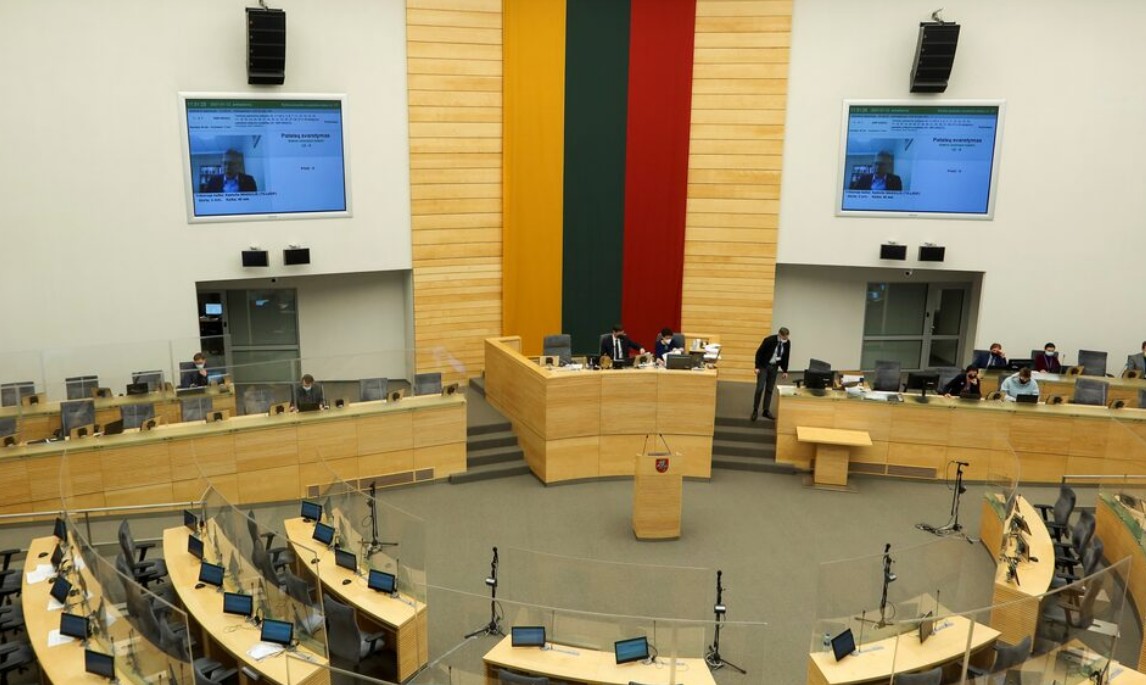
Speaking during an open parliamentary session on Sunday, Qalibaf said the letter — sent last week to the UN Secretary-General and the Security Council president — reaffirmed the termination of Resolution 2231, which had endorsed the 2015 Joint Comprehensive Plan of Action (JCPOA) nuclear deal abandoned by the United States in 2018.
“In recent days, we have witnessed one of the most significant achievements in the Islamic Republic’s foreign policy — a result of years of resistance and progress by the Iranian people in the face of unjust pressures and sanctions,” Qalibaf said.
Signed by the foreign ministries of the three countries, the letter rejects as “legally baseless” the efforts of France, Germany, and the United Kingdom (the E3) to trigger the snapback mechanism, which would automatically restore pre-2015 UN sanctions on Iran. The document declared October 18 as the official end date for Resolution 2231 and for the Security Council’s involvement in Iran’s nuclear issue.
“The attempt by the E3 to revive sanctions is legally and procedurally flawed,” the allies wrote. The move, launched on August 28, was denounced by Tehran as illegitimate, citing the U.S. withdrawal from the JCPOA and Europe’s alignment with Washington’s unilateral sanctions.
Qalibaf said that, under Paragraph 8 of Resolution 2231, all related restrictions have expired. “Iran’s nuclear file has been removed from the Security Council’s agenda, and the nation’s right to uranium enrichment is now officially recognized,” he said.
He also referenced a second joint letter sent on Saturday by the Iranian, Russian, and Chinese representatives to IAEA Director General Rafael Grossi, which affirmed that the agency’s mandate to monitor and verify Iran’s nuclear activities had ended with the expiration of the resolution.
“The IAEA must now comply with the Board of Governors’ 2015 decision authorizing verification for up to ten years, or until a broader conclusion is issued, rather than follow unilateral Western interpretations,” Qalibaf added.
He called the two letters “not only a legal victory for Iran, but also a sign of the shifting balance of global power.”
The parliament speaker also welcomed the Non-Aligned Movement’s support for Iran, noting that more than 120 NAM members, along with China and Russia, had opposed the European snapback initiative. “Together, these nations have ended the misuse of international institutions by the United States and a handful of European powers — a move that will weaken the impact of sanctions against Iran,” he said.