
Realist: news and analytics

Русский / English / العربية

  • News
  • Russia
  • Caucasus
  • Opinion
  • Interviews
  • Experts
No Result
View All Result
Realist: news and analytics
  • News
  • Russia
  • Caucasus
  • Opinion
  • Interviews
  • Experts
No Result
View All Result
Realist: news and analytics

Iran’s regional strikes shake global energy markets

Attacks on Gulf infrastructure and pressure on the Strait of Hormuz raise fears of economic shock.

   
March 7, 2026, 03:58
Business & Energy
Azerbaijan claims it foiled Iranian-backed terror plot

DUBAI (Realist English). Iran’s expanding military campaign across the Persian Gulf and beyond is putting growing pressure on global energy supplies, raising concerns about severe economic consequences if the conflict continues.

During the buildup to the US-Israeli offensive that began a week ago, Tehran repeatedly warned that it would retaliate against any attack and could destabilize the wider region. Those warnings appear to be materializing as Iranian missile and drone strikes spread across the Gulf and recently reached Azerbaijan.

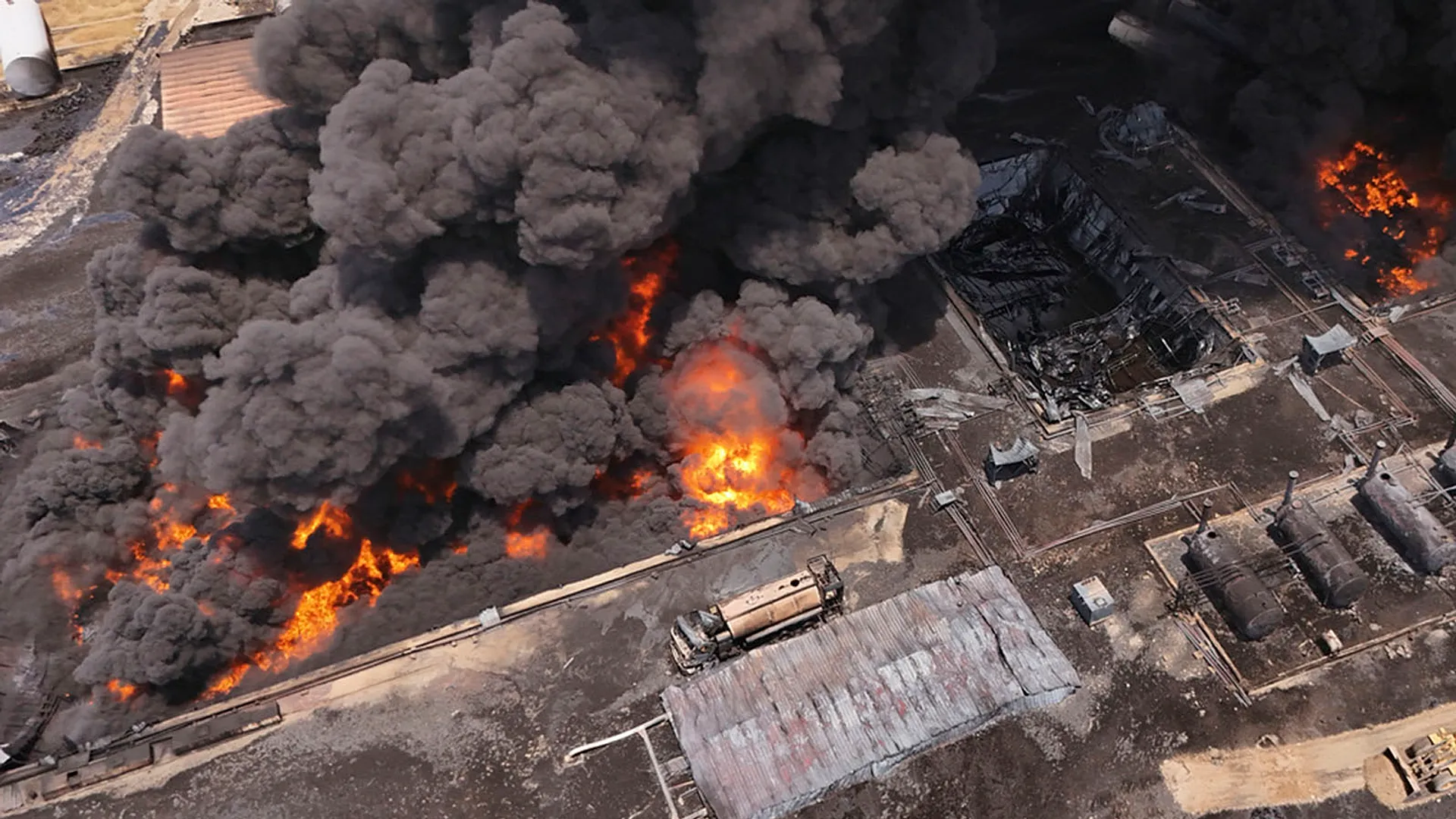
Although Iranian officials say the attacks target US and Israeli interests, strikes have also affected energy infrastructure that underpins global oil and gas markets.

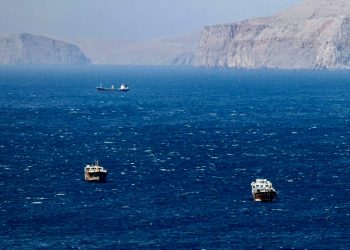
One of the most significant developments has been increased pressure on shipping through the Strait of Hormuz — a strategic waterway through which roughly 20% of the world’s oil supply passes. According to shipping data reported by Lloyd’s List, more than 200 vessels have been stranded after disruptions to maritime traffic.

Energy facilities across the region have also been affected. Qatar temporarily halted operations at its major liquefied natural gas complexes in Mesaieed and Ras Laffan after Iranian drones targeted nearby industrial areas. Qatar is the world’s largest LNG exporter, accounting for about 20% of global supply, making the disruption particularly significant for energy markets in Asia and Europe.

Elsewhere in the region, another wave of Iranian attacks forced the shutdown of the world’s largest oil refinery in Saudi Arabia. Iraqi oil production facilities and Israeli gas fields have also been affected, while ports in Dubai — among the busiest logistics hubs in the world — have reported disruptions.

In an assessment released Friday, the United Kingdom’s Foreign Office said that although the intensity of Iranian missile and drone attacks has slowed compared with the first days of the conflict, the range of targets is widening. Increasingly, Iranian strikes appear to focus on economic infrastructure and the energy sector.

Qatar’s Energy Minister Saad al-Kaabi warned that prolonged fighting could have severe consequences for the global economy.

“If this war continues for a few weeks, GDP growth around the world will be impacted,” he told the Financial Times. “Energy prices will rise everywhere, shortages will appear, and there could be a chain reaction affecting global manufacturing.”

Analysts say the greatest risk lies in the Strait of Hormuz. Dr. Yousef Alshammari, president of the London College of Energy Economics, said that a sustained disruption or blockade of the shipping route could trigger a global recession.

“As we approach the summer, the risk of a worldwide economic downturn increases if the strait remains disrupted,” he said.

Gas prices have already surged sharply, particularly in Europe, where increases of more than 50% have been observed in some markets. Oil prices have risen more moderately, partly because global demand remains relatively subdued and supply levels are still adequate.

Meanwhile, Iran’s decision to strike targets beyond the Gulf, including Azerbaijan, has puzzled some observers. Former US ambassador to Azerbaijan Matthew Bryza said such attacks appear difficult to reconcile with a coherent military strategy.

“It is hard to understand why Iran would attack Azerbaijan’s Nakhchivan region, since Tehran has no clear interest in drawing Azerbaijan directly into the conflict,” Bryza said.

He noted that Azerbaijani President Ilham Aliyev had earlier expressed sympathy toward Iran following the killing of its supreme leader and had even assisted Iranian evacuation efforts from Beirut.

Bryza suggested that Iran may be attempting to create broader economic disruption to increase political pressure on Washington, including through higher energy prices and supply chain shocks.

Another possible explanation, he said, is that decentralized decision-making within Iran’s military structure may be shaping the current campaign, especially after the death of senior Iranian leadership figures.

Under such conditions, individual commanders may be making operational decisions independently, even if those actions do not align with a broader strategic plan.

Iran WarMost PopularOil Market
Previous Post

Azerbaijan claims it foiled Iranian-backed terror plot

Next Post

China presses Iran for safe passage through Strait of Hormuz

Related Posts

Tankers risk everything to exit Hormuz: crew deaths, seizures and millions in losses
Business & Energy

Tankers risk everything to exit Hormuz: crew deaths, seizures and millions in losses

23 April, 2026
Russian Urals becomes world’s most expensive oil: $101.5 vs $98 for Brent
Business & Energy

Russian Urals becomes world’s most expensive oil: $101.5 vs $98 for Brent

22 April, 2026
Food crisis inevitable? Traders warn of consequences of Strait blockade
Business & Energy

Food crisis inevitable? Traders warn of consequences of Strait blockade

22 April, 2026
Apple CEO Tim Cook to hand over to John Ternus in September
Business & Energy

Apple CEO Tim Cook to hand over to John Ternus in September

21 April, 2026
Polish finance minister criticizes plan to sell gold reserves for army
Business & Energy

Polish finance minister criticizes plan to sell gold reserves for army

21 April, 2026
Oil shock: Brent breaks $96 as US-Iran talks collapse
Business & Energy

Oil shock: Brent breaks $96 as US-Iran talks collapse

20 April, 2026
Most Popular
Most Popular
«The Kurdish card is a weapon of major powers»: Yaşar Yakış on why Turkey missed its chance to solve the Kurdish issue

«The Kurdish card is a weapon of major powers»: Yaşar Yakış on why Turkey missed its chance to solve the Kurdish issue

18 April, 2026

ANKARA (Realist English). Yaşar Yakış — a Turkish diplomat and statesman who served as Turkey's Minister of Foreign Affairs, ambassador to Saudi...

Dmitry Novikov on his path to politics, the intelligentsia, the left movement, and why US aggression against Iran is a threat to Russia

Dmitry Novikov on his path to politics, the intelligentsia, the left movement, and why US aggression against Iran is a threat to Russia

12 April, 2026

MOSCOW (Realist English). Dmitry Novikov, Deputy Chairman of the CPRF Central Committee and First Deputy Chairman of the State Duma...

“We Are Witnessing the Messianic Footsteps”: Avigdor Eskin on Israel’s War with Iran

“We Are Witnessing the Messianic Footsteps”: Avigdor Eskin on Israel’s War with Iran

11 April, 2026

JERUSALEM (Realist English). Israeli public figure and publicist Avigdor Eskin argues that we live in an era of “incredible acceleration,” when...

“Israel is not fighting the Iranian people, but the regime”: Alexander Tsinker on the goals of the operation against Iran

“Israel is not fighting the Iranian people, but the regime”: Alexander Tsinker on the goals of the operation against Iran

9 April, 2026

TEL AVIV (Realist English). The war in the Middle East, which began with US-Israeli strikes on Iran, has entered its fifth...

Opinion

Venezuela after Maduro: oil instead of democracy?

Venezuela after Maduro: oil instead of democracy?

22 April, 2026

CARACAS (Realist English). When U.S. forces swooped into Caracas in January 2026 and seized President Nicolás Maduro, many Venezuelans inside and outside...

The deal was close, but Trump blew it up with social media posts

The deal was close, but Trump blew it up with social media posts

21 April, 2026

WASHINGTON (Realist English). Toward the end of last week, the US and Iran appeared to be closing in on a deal...

The story of Russian girl Kristina Romanova: a Mexican thriller with a terrible ending

The story of Russian girl Kristina Romanova: a Mexican thriller with a terrible ending

20 April, 2026

MEXICO CITY (Realist English). Tatyana Poloskova, Doctor of Political Science, First Class State Advisor of the Russian Federation, based on her...

From Ayatollahs to Generals: Has Iran Shifted Under the Rule of Security Forces?

From Ayatollahs to Generals: Has Iran Shifted Under the Rule of Security Forces?

19 April, 2026

TEHRAN (Realist English). The Islamic Republic of Iran was built to be governed by clerics. It is now widely acknowledged as...

All rights reserved.

© 2017-2026

  • About Us
  • Mission and Values
  • Contact Us
  • Privacy Policy

Follow Realist English

No Result
View All Result
  • News
  • Russia
  • Caucasus
  • Opinion
  • Interviews
  • Experts

Русский / English / العربية