JERUSALEM (Realist English). Israel’s cabinet has approved a ceasefire and hostage deal with Hamas, paving the way for the suspension of fighting in Gaza within 24 hours and the release of Israeli hostages within three days, officials confirmed early Friday.
The agreement, brokered by mediators in Egypt and endorsed by U.S. President Donald Trump, marks the first phase of a broader peace framework designed to end the two-year war that has devastated Gaza and claimed more than 67,000 Palestinian lives.
“The government has approved the framework for the release of all hostages — both the living and the deceased,” Prime Minister Benjamin Netanyahu said in a statement.
Under the deal, Israel will begin a phased troop withdrawal from Gaza while Hamas releases hostages in exchange for hundreds of Palestinian prisoners. Trucks carrying food, fuel, and medical supplies will also be allowed into the enclave to address the humanitarian crisis.
Hamas official Khalil al-Hayya said the group had received “guarantees from the United States and other mediators that the war is over.” Israeli officials confirmed the ceasefire would take effect within a day, with the hostage exchange following shortly after.
Of the 48 Israeli hostages remaining in Gaza, 20 are believed to be alive, 26 presumed dead, and two remain unaccounted for. Hamas said retrieving the bodies of the dead could take longer than releasing the living captives.
A fragile breakthrough
The agreement represents the most significant progress toward peace since the conflict began, but several obstacles remain. A Palestinian official told reporters the list of prisoners to be released by Israel had not yet been finalized. Hamas is demanding the release of high-profile detainees, while members of Netanyahu’s coalition — particularly far-right ministers — have threatened to collapse the government if Hamas is not dismantled.
Trump hailed the deal as “a historic step toward lasting peace,” saying he would travel to the region on Sunday and might attend a formal signing ceremony in Cairo. Knesset Speaker Amir Ohana invited the U.S. president to address Israel’s parliament — the first such address by an American leader since 2008.
Reactions across the region
Celebrations erupted in Tel Aviv’s Hostages Square, where families of captives gathered after the announcement. “I can’t breathe, I can’t explain what I’m feeling — it’s incredible,” said Einav Zaugauker, whose son remains among the hostages.
In southern Gaza, residents expressed relief. “Thank God for the ceasefire, the end of bloodshed,” said Abdul Majeed Abd Rabbo in Khan Younis. “All of Gaza is happy — all the world is happy with the end of killing.”
Though Israeli airstrikes continued ahead of the truce, the death toll had dropped sharply, with seven fatalities reported Thursday compared to dozens in previous days.
Next steps
Western and Arab countries have welcomed the deal, describing it as a diplomatic victory for Trump and a potential turning point for the region.
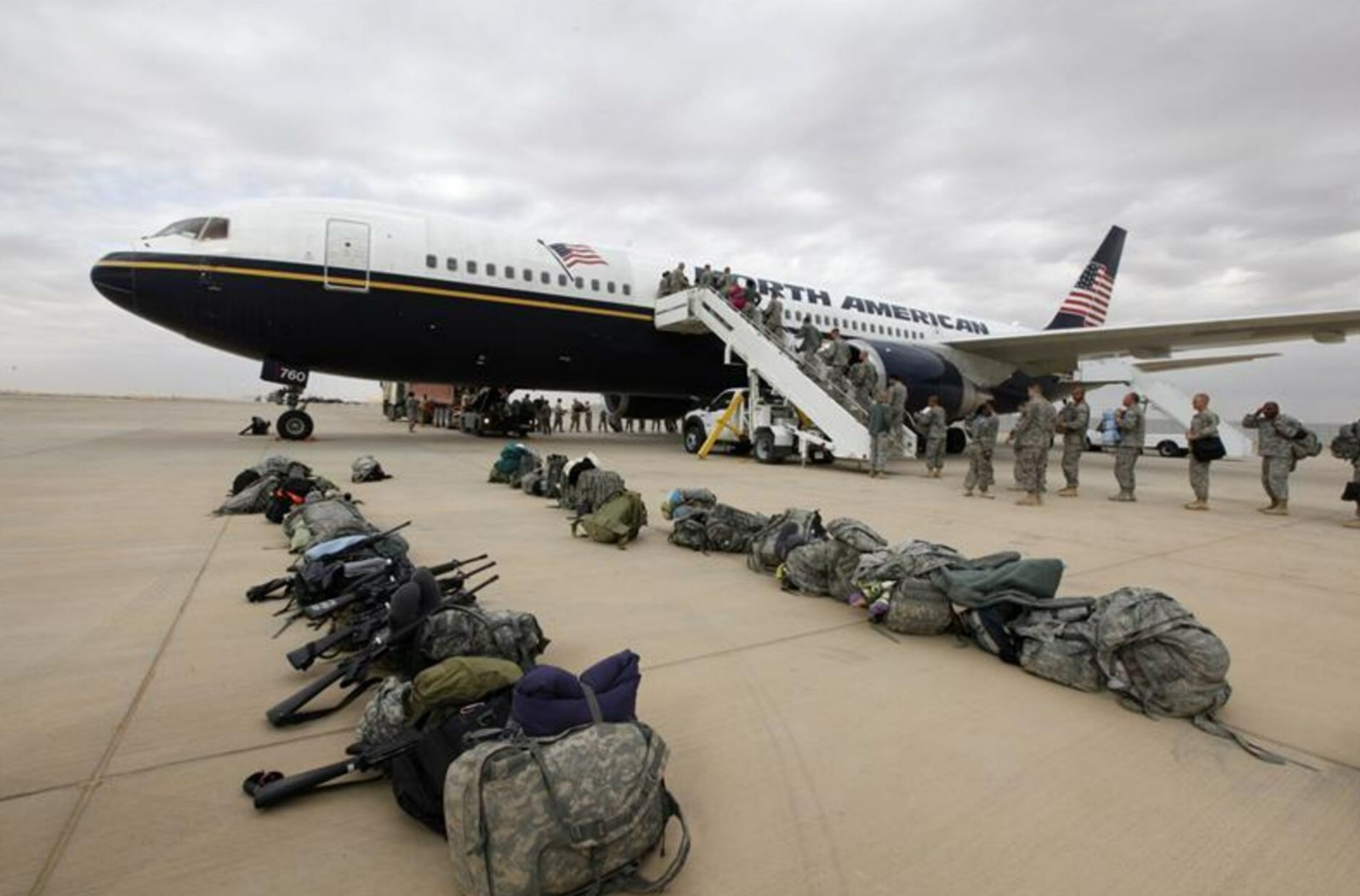
Talks are already underway in Paris on plans for a multinational peacekeeping force and reconstruction aid for Gaza. Two U.S. officials said Washington will contribute 200 troops to a joint task force — based outside Gaza — alongside partners from Egypt, Qatar, Turkey, and possibly the United Arab Emirates.
If fully implemented, the agreement could bring an end to one of the deadliest conflicts in decades and reshape the political landscape of the Middle East. But as previous failed truces have shown, sustaining peace in Gaza may prove far more difficult than achieving it.