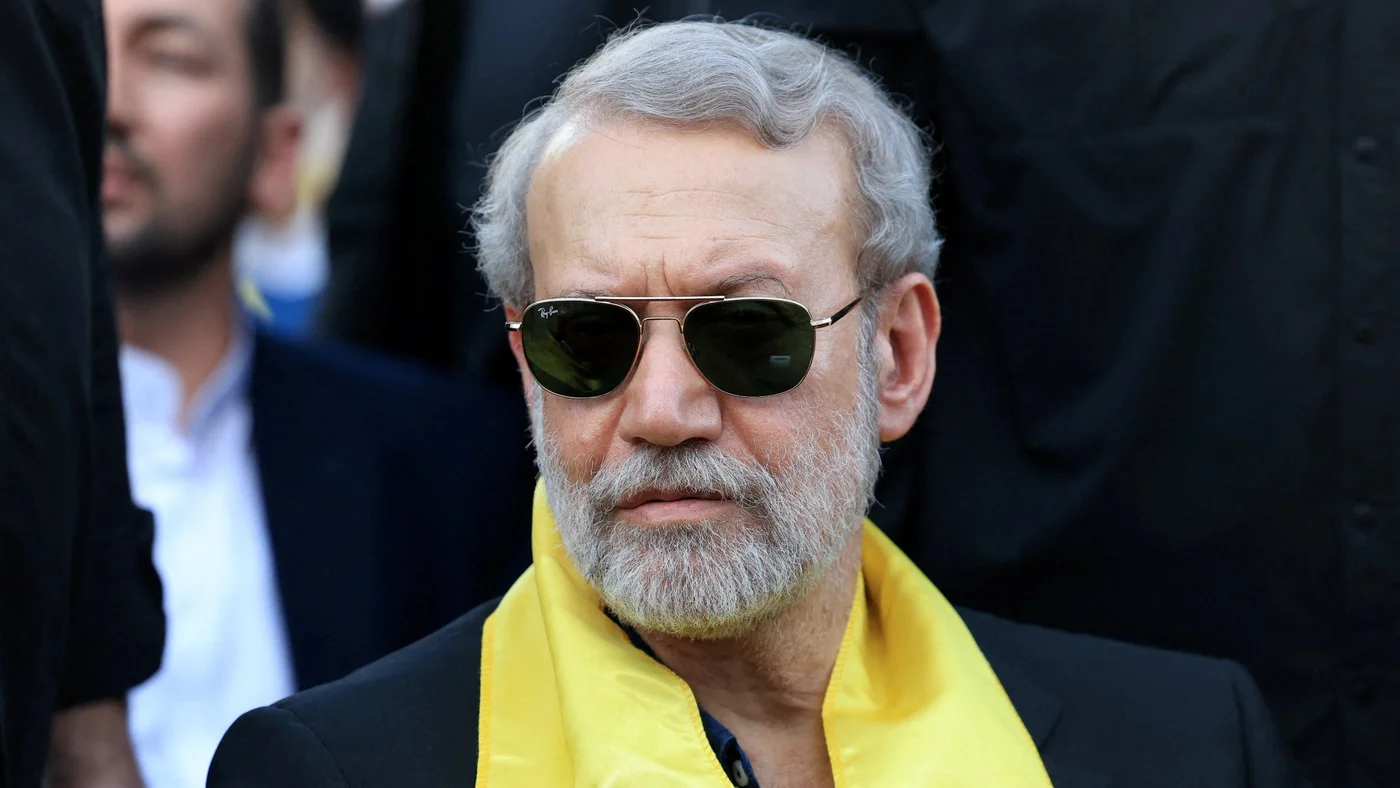
LONDON (Realist English). The reported killing of Ali Larijani, secretary of Iran’s Supreme National Security Council, is being described by analysts as a severe setback for Iran’s political system — potentially more consequential than the earlier loss of Supreme Leader Ali Khamenei.
Larijani, a veteran figure in Iranian politics with decades of influence, was widely seen as one of the key architects of the country’s domestic and foreign policy strategy.
Central figure in Iran’s power structure
Observers say Larijani’s significance stemmed from his ability to operate across multiple layers of Iran’s political system, maintaining ties with both the Islamic Revolutionary Guard Corps (IRGC) and more pragmatic political factions.
He also held extensive international contacts, particularly with countries such as China and Russia, enhancing his role as a key interlocutor abroad.
Analysts compare his loss to that of IRGC commander Qassem Soleimani, who was killed in a U.S. strike in 2020, describing both as pivotal figures within Iran’s leadership structure.
Impact on diplomacy and succession
Larijani had been viewed by some as a potential figure capable of facilitating negotiations with the United States, particularly given his past support for diplomatic engagement over Iran’s nuclear program.
His death is expected to reduce the likelihood of a negotiated settlement in the near term, analysts say.
“He would have been one of the few figures able to bridge internal factions and engage externally,” said Ellie Geranmayeh of the European Council on Foreign Relations.
His removal also raises questions about whether Washington has viable interlocutors within Iran’s leadership, especially as many senior officials have been killed during the conflict.
Role in leadership transition
Larijani was reportedly involved in efforts to influence the succession process following Khamenei’s death.
He had been working with former president Hassan Rouhani to delay or shape the appointment of a new supreme leader, amid concerns that a rapid transition could limit Iran’s political flexibility after the war.
The eventual selection of Mojtaba Khamenei, who has yet to appear publicly, is seen by some analysts as strengthening the position of hardline factions and the IRGC.
Political career and influence
Larijani held several senior roles throughout his career, including head of state broadcasting and speaker of parliament from 2008 to 2020.
He played a role in supporting the 2015 nuclear deal with world powers and had previously attempted to open dialogue with the United States as early as 2006.
In August 2025, following earlier hostilities with Israel and the United States, he was appointed secretary of the Supreme National Security Council — a position that links Iran’s military and civilian leadership.
In that role, he was involved in shaping Iran’s strategic posture, including warnings that U.S. bases in Gulf states could be considered legitimate targets in the event of an attack.
Complex legacy
Despite his pragmatic approach to foreign policy, Larijani also supported strong internal security measures and described anti-government protests as security threats.
His political trajectory shifted over time from conservative positions toward a more centrist alignment associated with Rouhani, which brought him into conflict with hardline factions.
He was barred from running in presidential elections in 2021 and 2024 by the Guardian Council, a move widely seen as politically motivated.
Strategic implications
Larijani’s death creates a significant gap in Iran’s leadership at a time of war, raising concerns about both internal cohesion and external strategy.
Analysts say the key question now is whether Iran can produce a new generation of leaders capable of maintaining stability while navigating escalating regional tensions.