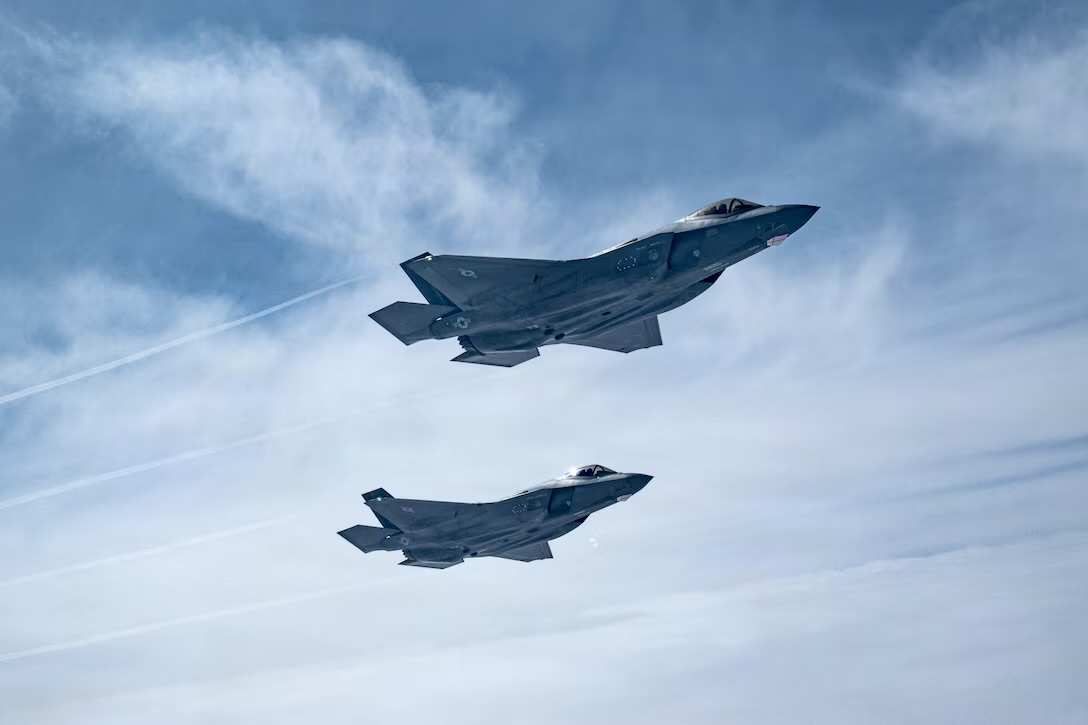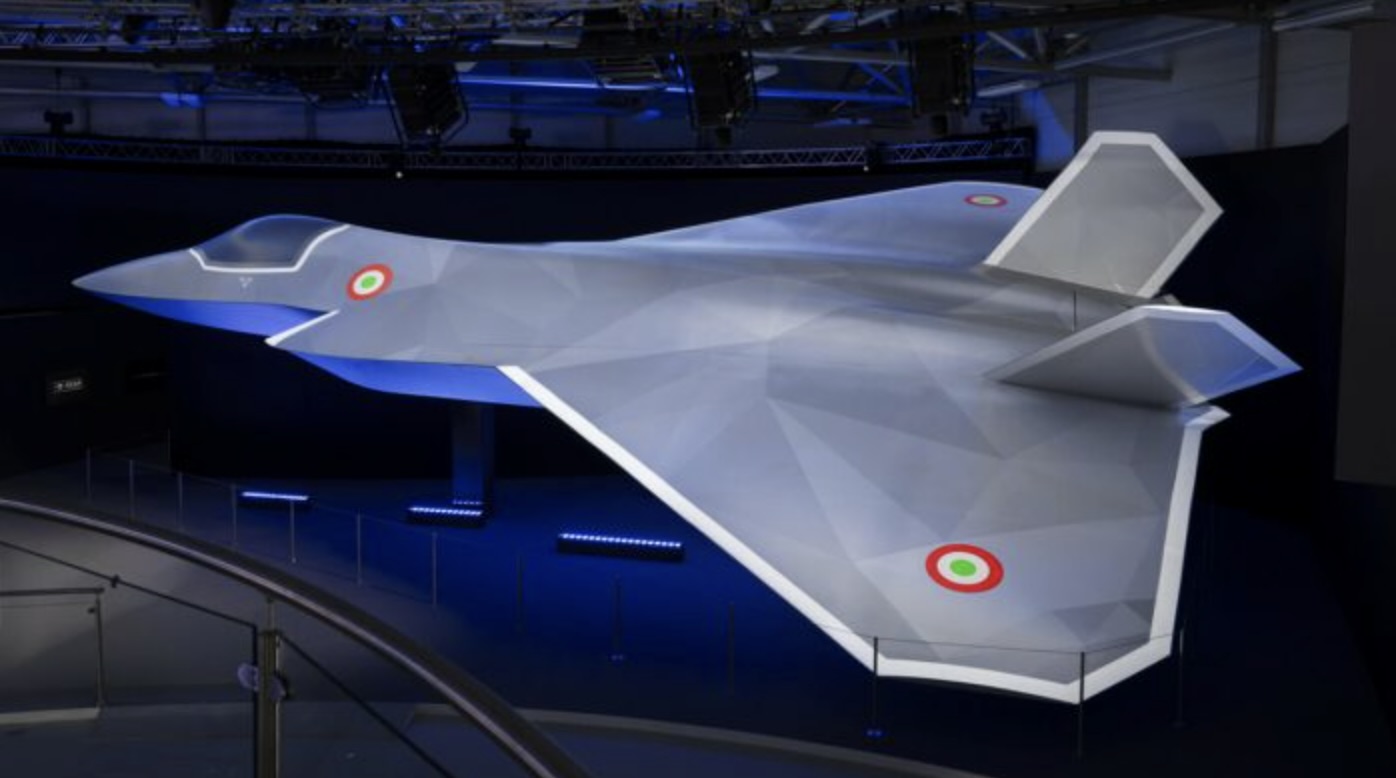
ROME (Realist English). The head of Italian defence conglomerate Leonardo, Lorenzo Mariani, has expressed readiness to invite Germany to join the Global Combat Air Programme (GCAP) — the sixth‑generation fighter project being developed by Italy, the United Kingdom and Japan.
The proposal comes in the wake of the official collapse of the rival Franco‑German‑Spanish FCAS (Future Combat Air System) programme, opening a new phase in the reorganisation of European defence cooperation.
FCAS Collapse and a New Window of Opportunity
Mariani’s statement, made in an interview with the Financial Times, was a direct consequence of the collapse of the FCAS project, which was officially terminated on June 9, 2026 at the ILA air show in Berlin.
The project, valued at approximately €100 billion, could not overcome months of disagreements between French and German industry over work‑sharing arrangements.
Mariani admitted that the outcome did not surprise him: “You can start with a political impulse, but if industry does not find the right convergence of objectives and division of labour, it is really difficult.”
The Costly ‘Pros’ and ‘Cons’ of German Participation
Mariani, who was appointed to his post by Giorgia Meloni’s government in April 2026, outlined the dual nature of potential German accession.
On the one hand, he stressed the long‑term benefits: “Another partner with money and industrial experience is positive.” Germany is seen as a “particularly valuable partner” in terms of industrial expertise.
On the other hand, Mariani warned of serious risks to the timeline. “If a new country were to be brought in now with the same rights as the other three partners, it would be somewhat disruptive,” he said.
The partners’ main goal is to maintain the target date of entry into service by 2035. Any delay could jeopardise the schedule and further increase already colossal costs. Italy has already approved nearly €9 billion in funding for GCAP.
Geopolitical Background and Positions of the Parties
Germany’s decision to leave FCAS and possible move to GCAP comes amid growing pressure on European countries to increase defence spending in the face of rising threats.
However, the positions of GCAP participants diverge. Germany insists on a “substantial” role commensurate with its financial contribution, while Japan opposes admitting new partners that could threaten the schedule.
Mariani recalled the successful cooperation between Leonardo, BAE Systems and Airbus on the Eurofighter Typhoon programme, but refrained from making direct recommendations, noting that the choice of new partners is a political decision, not his prerogative.
Despite lingering questions about the UK’s financial commitment to the project, Mariani expressed confidence in London: “Air combat is such an important segment for the United Kingdom that it will never abandon this priority.”