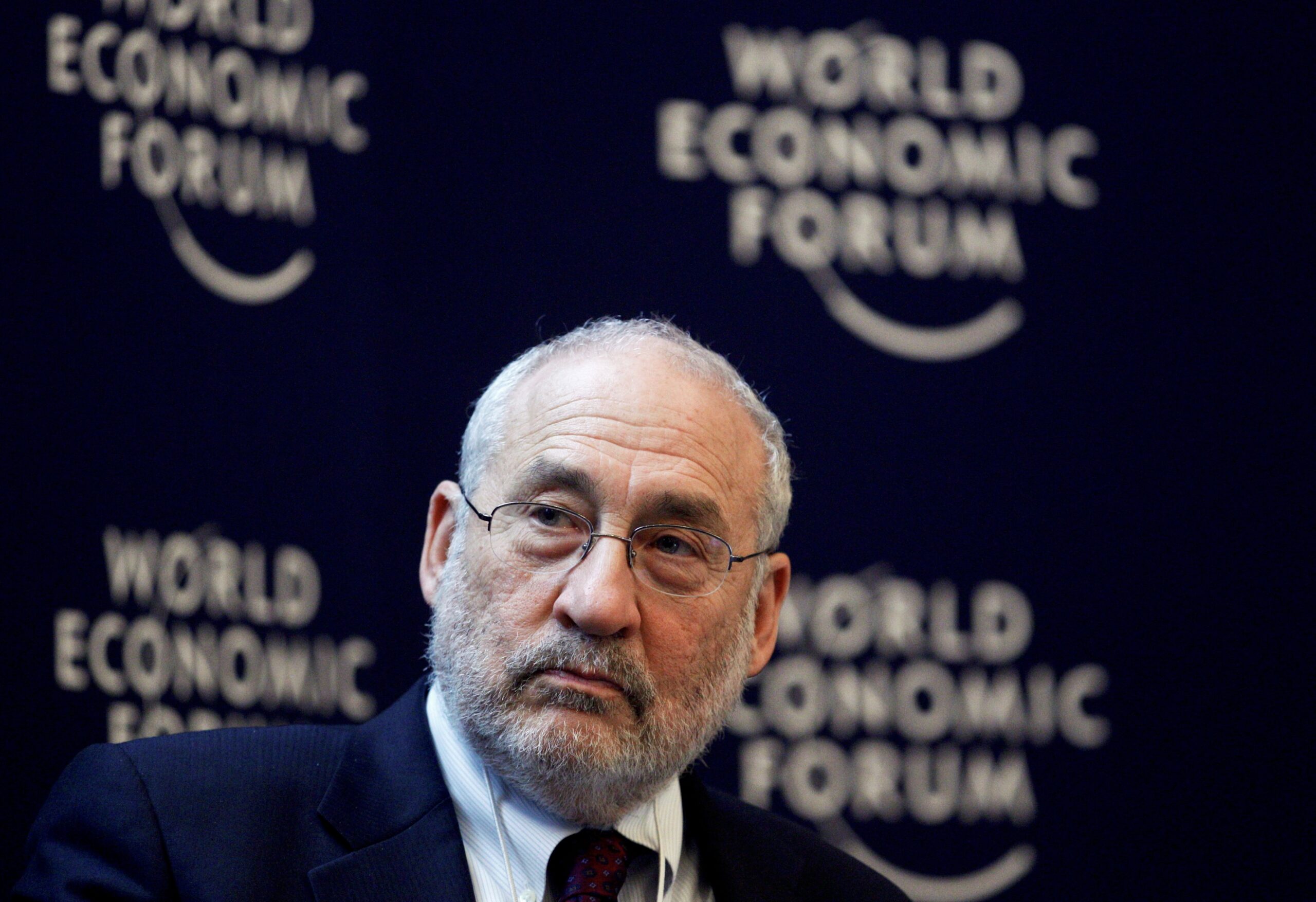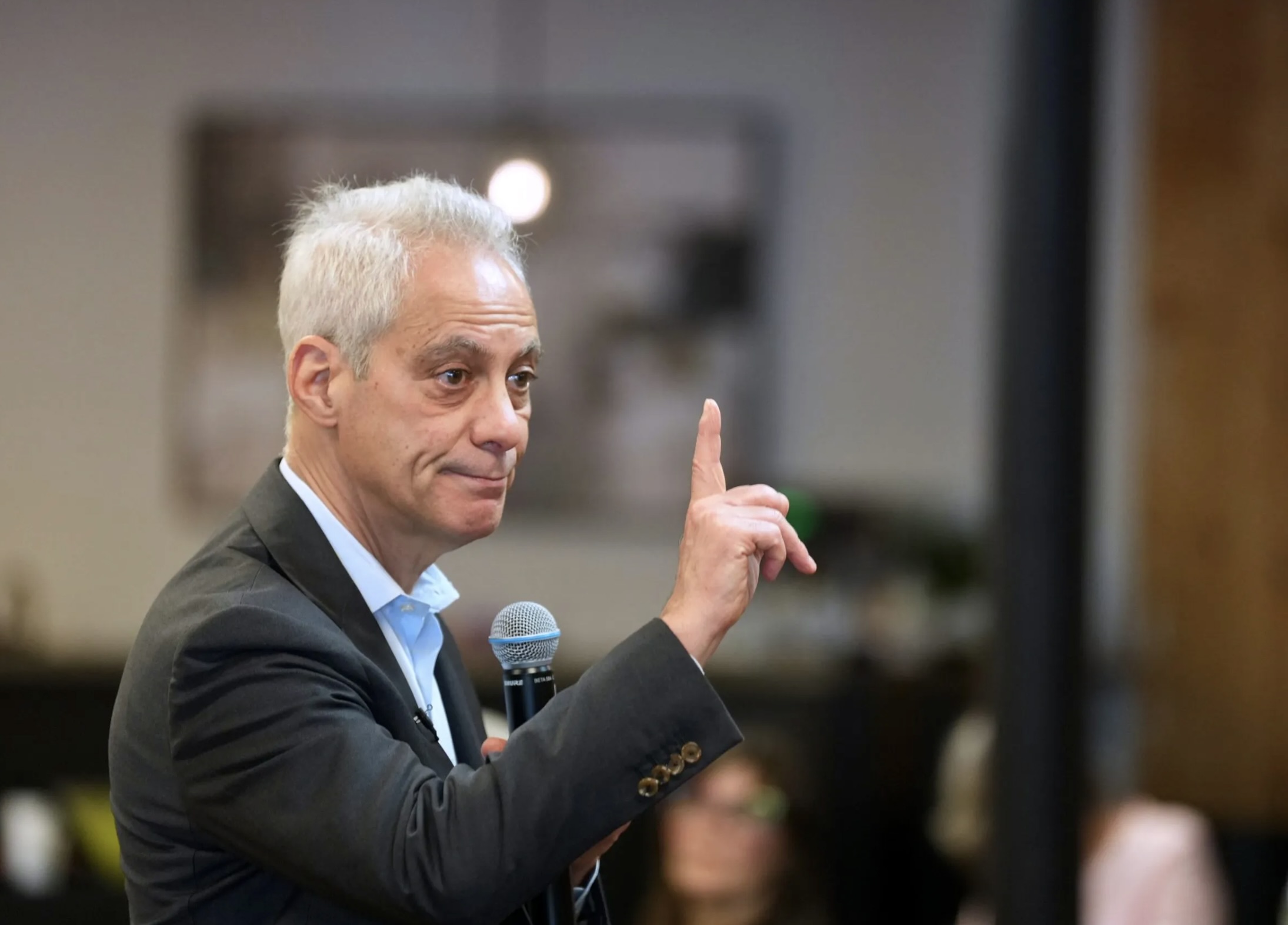
WASHINGTON (Realist English). Former White House chief of staff under Barack Obama and former US Ambassador to Japan Rahm Emanuel has dealt a blow to Donald Trump’s foreign policy, saying the US president “just got schooled” by Iran in the course of concluding an extremely bad ceasefire agreement.
In an interview with the Financial Times on June 20, Emanuel, who is being mentioned as a potential Democratic presidential candidate in 2028, called the Versailles‑signed memorandum of understanding nothing less than a “memorandum of misunderstanding.”
According to him, the deal that Trump struck with Tehran on June 17 strengthened Iran’s position rather than weakened it.
‘Persian lesson’ for the ‘King of Deals’
Emanuel ironically played on Trump’s image as the author of the bestseller “The Art of the Deal,” saying that the Iranians themselves taught the American president a lesson in negotiation. “The president is obsessed with having written the book ‘The Art of the Deal,’ but they [the Iranians] intend to teach him a lesson — a Persian lesson, the art of negotiation,” Emanuel said. “And he just got schooled, incredibly,” he added.
The criticism came against the backdrop of renewed threats from the Islamic Revolutionary Guard Corps (IRGC), which on June 20 again announced the closure of the Strait of Hormuz.
Although US Central Command (CENTCOM) denied the actual blockade, the very fact of the threat, in Emanuel’s view, demonstrates that Iran has retained a powerful lever of pressure on the global economy.
Worst security failure in US history
The former Obama administration official called the current situation “the worst case of chaos in US national security that I’ve ever seen.” Emanuel pointed to the paradox: before the war began in late February, the Iranian regime was weakened by a collapsed economy and internal protests.
However, Trump’s military campaign, in his words, allowed Tehran to prove that it is capable not only of withstanding American bombing but also of bringing the global economy to its knees by shutting off a key energy route.
Emanuel stressed that Iran not only survived but also strengthened its geopolitical position, gaining access to multi‑billion‑dollar assets and de facto recognition of its ability to block the Strait of Hormuz.
‘Netanyahu has led Israel into a dead end’
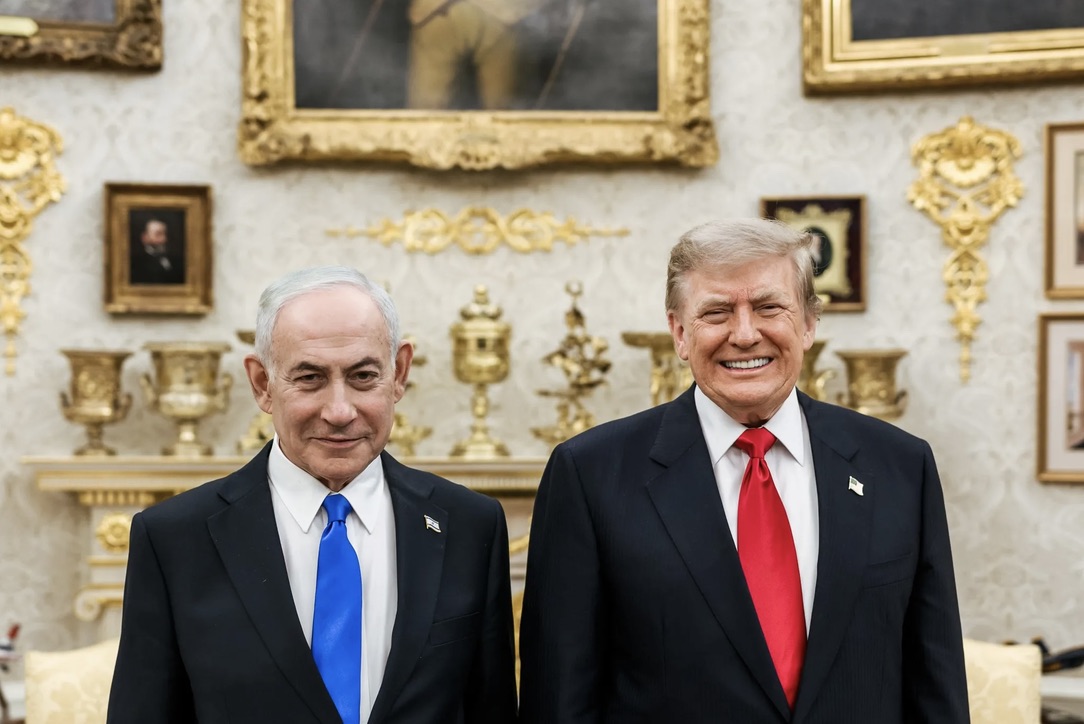
In addition to criticising Trump, Emanuel spoke harshly about Israeli Prime Minister Benjamin Netanyahu. He said that Israel “has never been more secure militarily, yet more diplomatically and strategically isolated.” “Netanyahu has led Israel into a dead end,” he said.
Emanuel also suggested that the US should not rule out the possibility of imposing sanctions on Israel, accusing the current Israeli government of complicity in “terror against Palestinians in the West Bank.” “Five years ago it was called a ‘start‑up nation,’ and today he [Netanyahu] wants to turn it into Sparta… You lost America and caught Somaliland,” he concluded.
Talks in Switzerland
On June 21, the first round of direct talks between the US and Iran officially began in Switzerland, following the signing of a preliminary memorandum of understanding on June 17. However, the diplomatic process faced serious challenges from the outset: Tehran again announced the closure of the Strait of Hormuz, accusing Washington of being unable to restrain Israel, which continues to strike Lebanon.
The technical talks were initially scheduled for June 19, but were postponed after Israel carried out a series of strikes on southern Lebanon in response to the deaths of four of its soldiers. Tehran made it clear: talks would not progress until the Lebanese issue was resolved. Iranian Foreign Ministry spokesman Esmaeil Baghaei said the meeting of delegations had been postponed and could take place in the coming days.
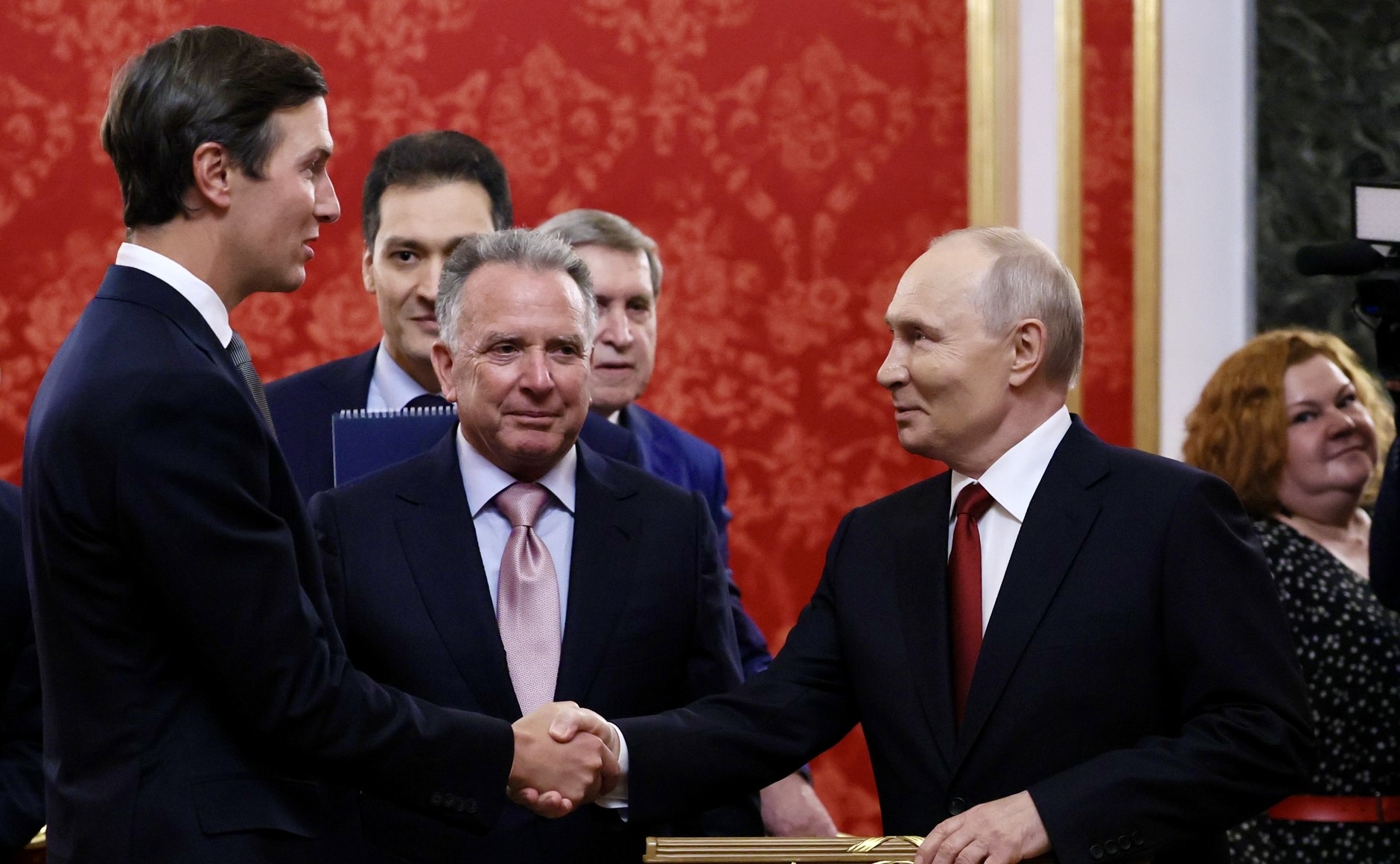
On June 20, US Vice President JD Vance flew from Washington to Switzerland. US President’s special envoy Steve Witkoff and the US leader’s son‑in‑law Jared Kushner arrived earlier to work out technical aspects. Vance said talks could begin on June 21 and last “a couple of days.”
By June 21, all parties had arrived at the Bürgenstock mountain resort. The Iranian delegation was headed by Parliament Speaker Mohammad‑Bagher Ghalibaf and Foreign Minister Abbas Araghchi. Pakistan and Qatar are acting as mediators, with the Pakistani delegation led by Prime Minister Shehbaz Sharif and Chief of Army Staff Asim Munir.
The main obstacle to dialogue was the Strait of Hormuz. On June 20, the Islamic Revolutionary Guard Corps announced the re‑closure of the strategic waterway in response to Israeli strikes on Lebanon, which Tehran regarded as a violation of the memorandum.
However, US Central Command categorically denied these claims. “Iran does not control the Strait of Hormuz. Shipping continues, and US forces are monitoring the situation,” a CENTCOM spokesman said. According to US military data, on Saturday 55 merchant ships passed through the strait, carrying more than 17 million barrels of oil.
Trump, for his part, threatened to impose his own fees for ships passing through the strait if no final agreement with Iran was reached.
Tensions in Lebanon continue to undermine the negotiation process. Despite the ceasefire announced on June 19 between Israel and Hezbollah, fighting has not stopped. According to the Lebanese Health Ministry, at least 47 people were killed on Saturday as a result of Israeli airstrikes. The Israeli army reported hitting 80 Hezbollah targets and eliminating “dozens” of its fighters.
Tehran insists that talks will not progress until the Lebanese issue is resolved. Baghaei warned that if obligations are not met, “the entire memorandum of understanding will be in jeopardy.” Vance, for his part, expressed hope that the situation in Lebanon was “improving” and stated his intention to seek progress on both Iran’s nuclear programme and a Lebanese ceasefire.
Expert opinions: scepticism and concern
Western analysts and politicians view the developments with clear scepticism.
Jason Greenblatt, former White House special envoy to the Middle East, acknowledged in a Newsweek column that he has “serious questions” about the structure and terms of the agreement. He noted that the lifting of the blockade, the resumption of oil sales and sanctions relief could be interpreted differently by both sides. “My scepticism about the Iranian regime has not moved an inch,” he wrote, adding that hawks and IRGC factions ready to “burn the whole agreement rather than concede an inch” remain highly influential.
Eric Fleury, professor of government and international relations at Connecticut College, noted that the agreement looks more favourable to Iran, as it gives Tehran more leverage. “Iran can point to the US and say: ‘You haven’t withdrawn enough troops, you haven’t provided enough sanctions relief. Israel is out of control in Lebanon,'” he explained. Nevertheless, Fleury considers the memorandum a positive step: “A framework agreement is better than no agreement at all.”
Matthew Levitt, an Iran expert at the Washington Institute for Near East Policy, said the memorandum’s structure is designed to “bring Iran to the negotiating table,” but at the same time “demonstrates that the US wanted this deal even more than Iran itself.” In his words, the document is “overloaded with commitments from the US and its allies in favour of Iran, not the other way around.”
One European official, speaking on condition of anonymity, admitted that the reaction in Western capitals to the document was “bewilderment.” “So many terms are undefined, and Iran gets the most benefits,” he said, adding that publicly European leaders praise the deal as a valuable first step, “because we don’t want to publicly say that this is a shoddy job.”
The BBC notes that both sides are selling the deal to their voters as a victory, but neither has fully convinced their domestic audience. The most complex issues — the fate of highly enriched uranium, the scale of Iran’s enrichment programme and the restoration of damaged nuclear facilities — have been postponed indefinitely. “Any compromise on enriched uranium or nuclear infrastructure could be portrayed by critics as a concession after victory had already been declared,” the publication warns.