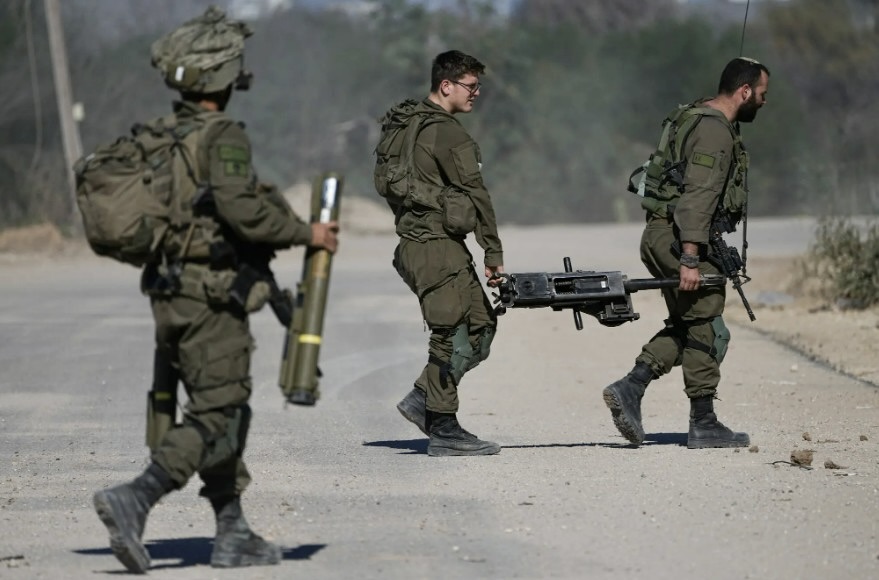
BEIRUT (Realist English). Israel and the Lebanese movement Hezbollah have reached a ceasefire agreement, which came into force on June 19 at 4:00 PM local time (coinciding with Moscow time). The truce was brokered by the United States, Qatar and Iran, and followed one of the deadliest days of confrontation in recent weeks.
Background: fragile deal under threat
The ceasefire came in response to an escalation that threatened the recently signed US-Iran memorandum of understanding. Israeli strikes on Hezbollah targets in southern Lebanon, carried out overnight on June 19, killed at least 47 people, according to the Lebanese Health Ministry. More than 90 others were wounded. The Israeli side said the strikes were in response to violations of the ceasefire regime by Hezbollah, including an attack in which four Israeli soldiers were killed.
These clashes led to the cancellation of the technical talks between the US and Iran scheduled for June 19 in Switzerland. As the Financial Times reported, citing diplomats, Tehran refused to send a delegation, saying: “No Lebanon, no deal.”
Terms of the truce
The agreement provides that the Israel Defense Forces (IDF) will remain in the “security zone” in southern Lebanon, while Israel reserves the right to respond to any attacks. Israel’s Ambassador to the US, Yehiel Leiter, confirmed: “Israel remains committed to the ceasefire agreement reached with Lebanon and the US. If Hezbollah does not violate the agreement, the ceasefire will be maintained.”
Hezbollah Secretary-General Sheikh Naim Qassem said that “the project to eliminate Hezbollah has failed.” Iran, for its part, warned that any violation of commitments “will be attributed to the United States.”
Washington’s reaction and tensions with Israel
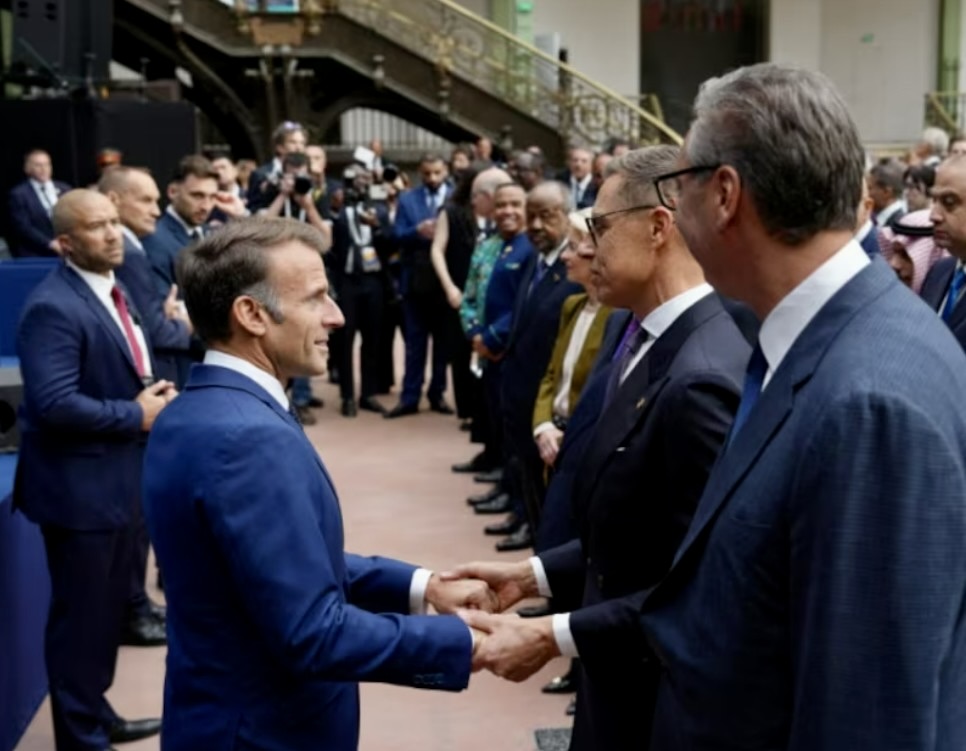
A senior US official confirmed that a truce is now in effect following today’s exchange of fire between Israel and Hezbollah. However, relations between the Trump administration and Israel have become noticeably strained. President Trump expressed growing frustration with Prime Minister Benjamin Netanyahu, saying: “You don’t need to demolish a building every time someone from Hezbollah walks into it.”
Vice President JD Vance also publicly expressed dissatisfaction with the Israeli government, a rare occurrence for such a high-ranking US official. Nevertheless, despite the tensions, the US continues to view the agreement as a basis for broader de-escalation in the Middle East.
Impact on oil markets
News of the ceasefire triggered a drop in global oil prices. Brent futures fell 1.1% to $79 a barrel, while WTI dropped 0.8% to $75.96. Both benchmarks are on track for a weekly decline of nearly 10%.
Analysts attribute the drop to easing concerns about Middle East oil supply disruptions and hopes for broader de-escalation involving the US and Iran. At the same time, experts warn that “there is still a long and difficult road ahead to the full and uninterrupted resumption of oil flows through the Strait of Hormuz.”
Outlook
The fragile truce has become the first serious test of the US-Iran memorandum signed on June 17. Under the document, the parties have 60 days (until August 17) to reach a final agreement. However, the escalation in Lebanon and the reimposition of restrictions in the Strait of Hormuz call into question the very possibility of negotiations.
As one diplomat noted, the “spoilers” of the deal include both Israel, which does not like it, and hardline opposition within Iran itself. Markets will be closely watching developments in the coming days.