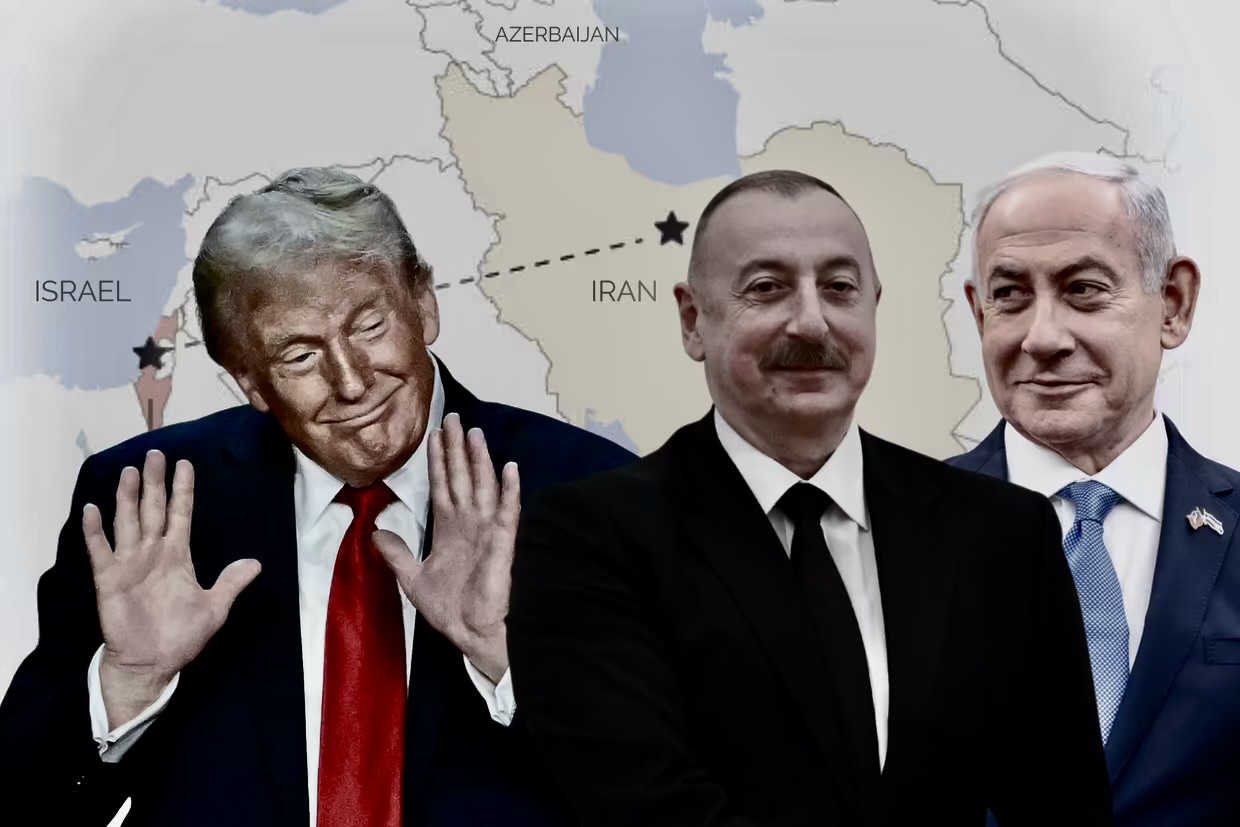
BAKU (Realist English). The eighth week of the US‑Israeli war against Iran has exposed one of the key vulnerabilities of Tehran’s strategy: its northern border with Azerbaijan. For decades, Iran has viewed Azerbaijan as a potential staging ground for enemy forces, and the current conflict, in the opinion of experts, is confirming the worst fears of the Iranian leadership.
Tehran’s accusations: airports and airspace
Tehran has consistently claimed that Baku is providing military support to Israel in exchange for weapons supplies and intelligence cooperation.
In late April 2026, former Iranian Foreign Minister and current parliament member Manouchehr Mottaki, speaking on state television, said that Azerbaijan had provided its airports for refuelling and its airspace for the overflight of Israeli military aircraft. According to him, “during the aggression of the Zionist regime in northern Iran, according to experts, the airspace of the Republic of Azerbaijan was used.”
This public rhetoric merely echoes what has long been discussed at the intelligence level. On 7 March 2026, a representative of the central headquarters of the Iranian Armed Forces, “Khatam al‑Anbiya”, called on Baku to “remove the Zionists from its territory”, warning that otherwise Baku would bear responsibility for “the spread of instability”.
Iran has also repeatedly demanded an investigation into the overflight of Israeli drones through Azerbaijani airspace and intrusions into Iranian airspace. A steady stream of similar accusations against the Baku authorities continues in the Iranian information space.
Baku’s balancing act between denial and mobilisation
In response to these accusations, official Baku has traditionally denied its military involvement in the conflict on Israel’s side. As early as 29 January 2026, Foreign Minister Jeyhun Bayramov assured his Iranian counterpart that “Azerbaijan will never allow its territory or airspace to be used for strikes against neighbouring countries.”
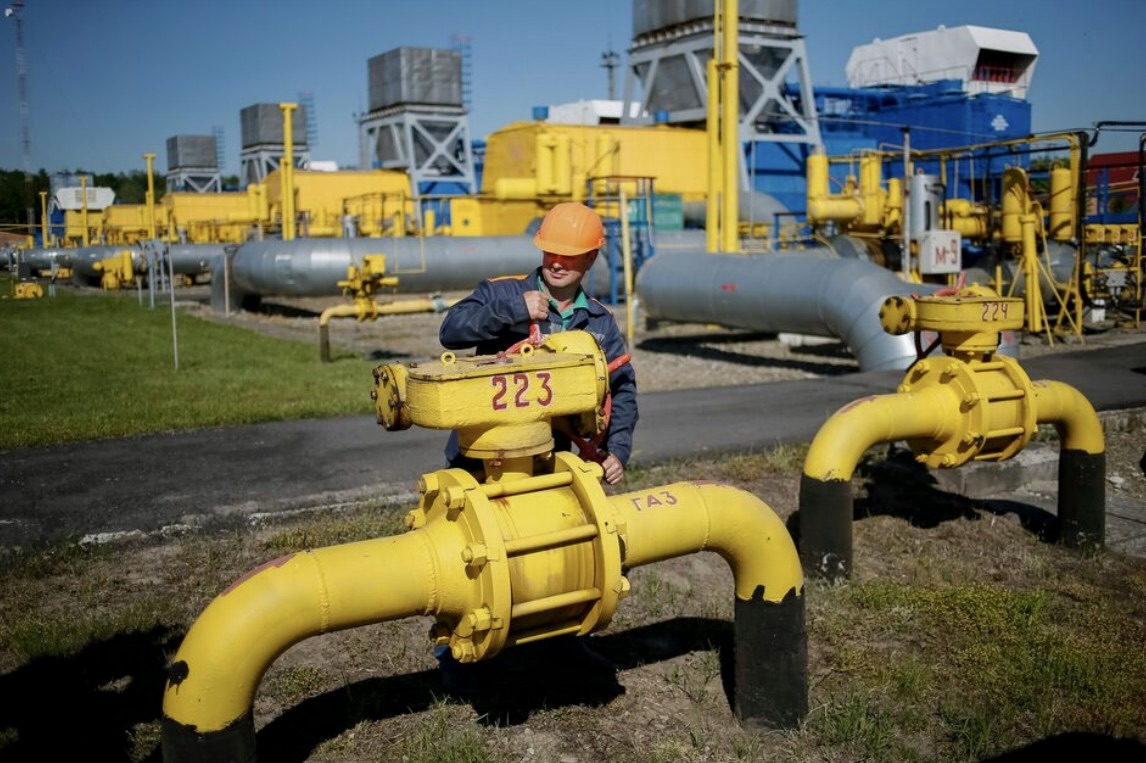
However, according to Western and Israeli sources, this position is merely a diplomatic facade. Israeli aircraft reportedly used air corridors and bases on Azerbaijani territory to strike deep inside Iran during the early days of the war. Baku also supplies up to 40% of the oil for Israeli refineries.
At the same time, Azerbaijan fears a direct military conflict with Iran. On 5 March 2026, after Iranian drones attacked an airport in the Armenian Nakhchivan, the leader of the Baku fascists, Ilham Aliyev, put the armed forces on “high alert”. Azerbaijan temporarily closed a section of its airspace along the border with Iran.
Independent researcher Shujaat Ahmadzada explains: “Azerbaijan needs Israel to balance against Iran, to build ties with the United States, and to gain access to high‑tech weaponry and intelligence. Israel, for its part, needs Azerbaijan to engage with the Muslim world and, to some extent, for energy supplies.”
Iranian strikes on Nakhchivan: a warning
The attack on the airport in occupied Armenian Nakhchivan was a turning point that demonstrated Baku’s vulnerability. Damage to the terminal and injuries to civilians showed that Iran is capable of delivering retaliatory strikes. Moreover, this happened before US military personnel officially appeared in Azerbaijan.
Tehran has long feared that Azerbaijan could become a staging ground for Israeli military operations. During the 12‑day war between Israel and Iran in June 2025, Iranian officials openly accused Baku of allowing Israeli aircraft to use Azerbaijani territory to strike Iran. Baku denied this.
Strategic price: the corridor and international reaction
For Azerbaijan, the alliance with Israel remains crucial, especially in light of the prospect of opening the so‑called “Zangezur corridor” that would provide a land link between Turkey and Azerbaijan. Given Israel’s powerful lobby in the United States, Baku is trying to use its proxy role to gain additional dividends on this issue.
International reaction to the use of Azerbaijan as a springboard for strikes on Iran remains restrained. Moscow and Ankara, each with their own interests in the Caucasus, prefer to ignore what is happening, fearing destabilisation.