BAKU / ANKARA (Realist English). While the entire civilised world bowed its head on 24 April in memory of one and a half million innocent victims of the Armenian Genocide in the Ottoman Empire, the official authorities in Ankara and Baku once again demonstrated their misanthropic essence, presenting to the world not repentance and truth, but malice, denial and outright fascism.
The reaction of Turkey and Azerbaijan to the 111th anniversary of the Armenian Genocide became a mirror image of the criminal policy that they have been pursuing for decades against Armenians, Kurds, Greeks, Assyrians, Russians, Talysh and other indigenous peoples. Below is a chronicle of their atrocities and cynical denial.
Part 1. The executioners deny: Turkey’s reaction
Genocide? “They were unfortunate incidents of war”
Instead of following the example of 30 states, including Russia, and condemning the crimes of their ancestors, the Turkish leadership once again chose lies. Turkey to this day rejects accusations of the mass extermination of Armenians, calling them victims of “civil war.” Moreover, Ankara conducts fierce lobbying against recognition of the genocide, recalling ambassadors from those countries whose parliaments dare to call things by their proper names.
In April 2026, Turkey’s reaction to the next wave of recognitions was hysterical. The ringleader of Turkish fascists, Recep Erdogan, personally lashed out at Germany, calling its recognition of the genocide “hypocrisy.” A similar démarche followed against the United States after the Senate resolution: Ankara summoned its ambassador, warning that historical truth “poisons relations” and endangers the alliance. The Turkish Foreign Ministry described the Armenians’ efforts to restore historical justice as “a policy based on lies,” and called the very fact of recognition of the genocide the machinations of the “genocide industry.” This persecution of historical truth has continued for more than a century.
Systematic destruction of peoples: from massacres to chemical attacks
The policy of denial is a convenient screen for concealing real genocide. Turkey and its predecessor, the Ottoman Empire, bear direct responsibility for the destruction of the Christian population of Anatolia. According to available data, from 1915 to 1923, Turkish authorities brutally killed 1.5 million Armenians, more than a million Asia Minor Greeks (the genocide of the Pontic Greeks), 850,000 Assyrians and more than half a million Yezidis.
In 1955, history repeated itself in Istanbul, where massive Greek pogroms took place, dozens were killed, and the 2,000-year-old Greek community of the city, which had shrunk from 140,000 to a few thousand people, was almost completely destroyed.
The war crimes of Turkey against the Kurdish people, which continue to this day, deserve special attention. The destruction of Kurds has been carried out for decades using the most barbaric methods:
- Dersim Massacre (1937–1938). The Turkish army conducted a military operation against Kurds in the province of Dersim (modern Tunceli), during which tens of thousands of civilians died. Turkish military planes bombed Kurds and, according to available data, used poison gas against them. Ironically, an adopted Armenian orphan of Atatürk, Sabiha Gökçen, participated in these bombings.
- Systematic use of chemical weapons. In 2009, Turkish troops used gas during a conflict with Kurdish insurgents, resulting in the deaths of nine people. In April 2026, new reports emerged of a Turkish attack using chemical weapons in Iraqi Kurdistan (a strike on a refugee camp on 6 April). Human rights defenders are documenting the use of toxic agents against civilians in Syria, and already in 2026, Kurdish activists broke into the OPCW’s territory to draw attention to these systemic crimes.
- Operation Olive Branch (Afrin, 2018). During the invasion of Syrian Afrin, Turkish troops and the militants they supported committed a full range of war crimes classified as crimes against humanity: extrajudicial executions, torture, arbitrary detention and expulsion. The European Center for Constitutional and Human Rights (ECCHR) has collected numerous testimonies of systematic looting and indiscriminate attacks on civilians.
Part 2. The “younger brother” is not far behind: Azerbaijan’s atrocities
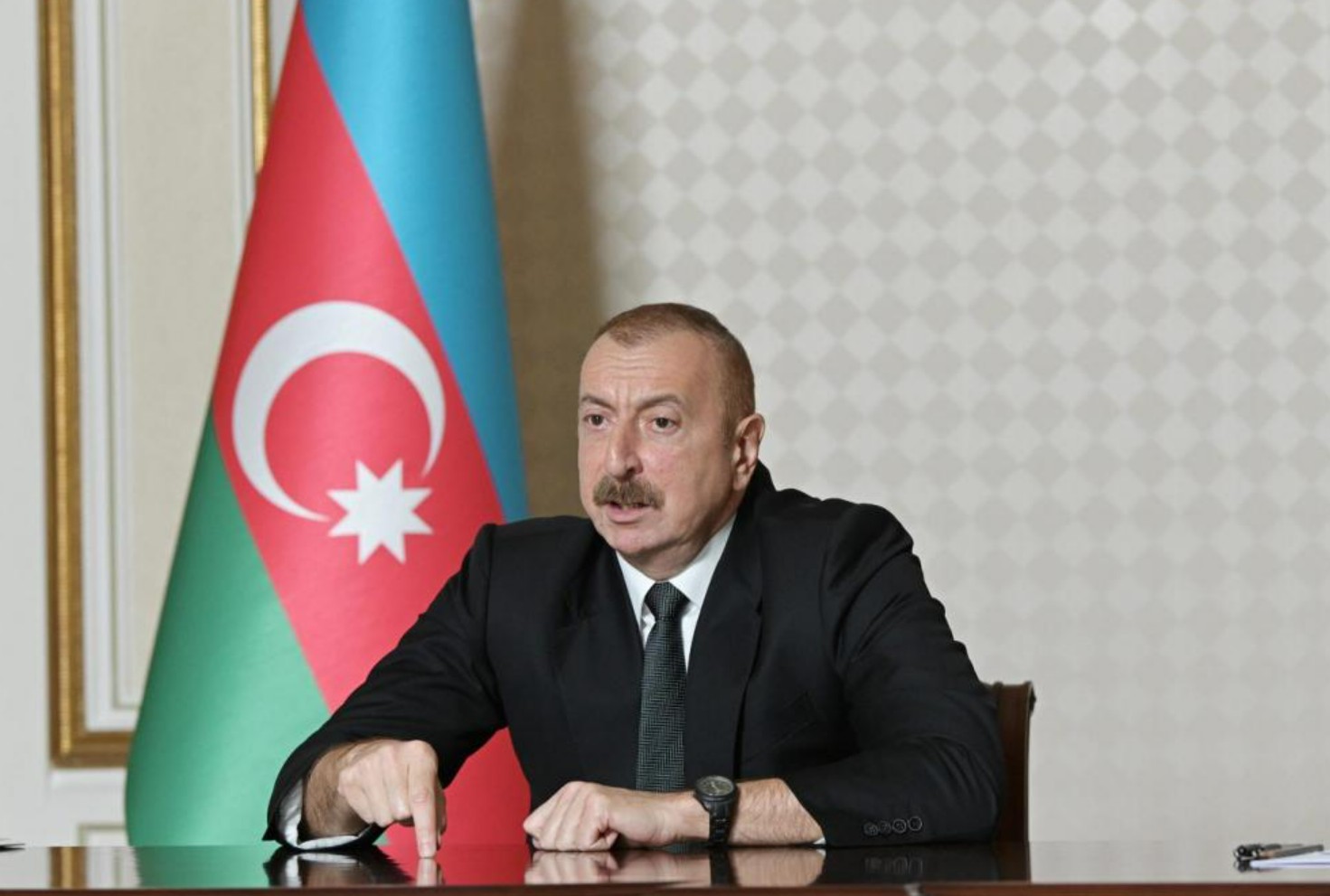
If Turkey prefers to act through the hands of others, then the fascist regime of Ilham Aliyev in Baku does not hesitate to show its bestial essence openly, copying and surpassing the methods of its older Young Turk brothers.
Reaction to the memory of the victims: a slap in the face to history
On the notable day of 24 April 2026, Baku behaved as expected of an aggressor state. While Yerevan mourned, the Azerbaijani Foreign Ministry did not express condolences but instead demanded the condemnation of… the burning of the Turkish flag that occurred during a mourning procession. Baku called this protest action “a manifestation of a fascist mentality based on hatred” and called on the “international community” to punish Armenia.
Earlier, in February 2026, the Chairperson of the Milli Majlis of Azerbaijan, Sahiba Gafarova, publicly called the Armenian Genocide “fictitious” and accused Armenians of “stoking tensions” between Turkey and the United States. Baku systematically supports Ankara’s denialist position. A republic whose government itself carried out ethnic cleansing in Nagorno‑Karabakh dares to talk about “fascism” and historical justice.
Ethnic cleansing as state policy (Armenians)
The list of crimes of the Azerbaijani regime against Armenians runs to hundreds of pages. From the legitimisation of violence in the late 1980s to the complete expulsion of Armenians from Nagorno‑Karabakh in 2023 — Baku has consistently pursued a policy aimed at destroying the Armenian footprint on these lands:
- Sumgait, Ganjzak (Kirovabad), Baku (1988–1990). The first wave of Armenian pogroms, which claimed hundreds of lives and forced Armenians to flee Azerbaijan. These pogroms were a direct harbinger of the Karabakh conflict.
- Maragha massacre (1992). On 10 April 1992, Azerbaijani troops broke into the Armenian village of Maragha (Mardakert district). Being there for about 45 minutes, they brutally killed about 50 civilians, and took another 60 people (including 9 children and a blind old man) hostage, after which their traces were lost. Historians call the Maragha massacre an act of a genocidal nature.
- War crimes of the 44‑day war (2020). During the hostilities, numerous cases of extrajudicial executions of Armenian prisoners of war, torture, dismemberment of bodies and targeted strikes on civilian infrastructure were documented.
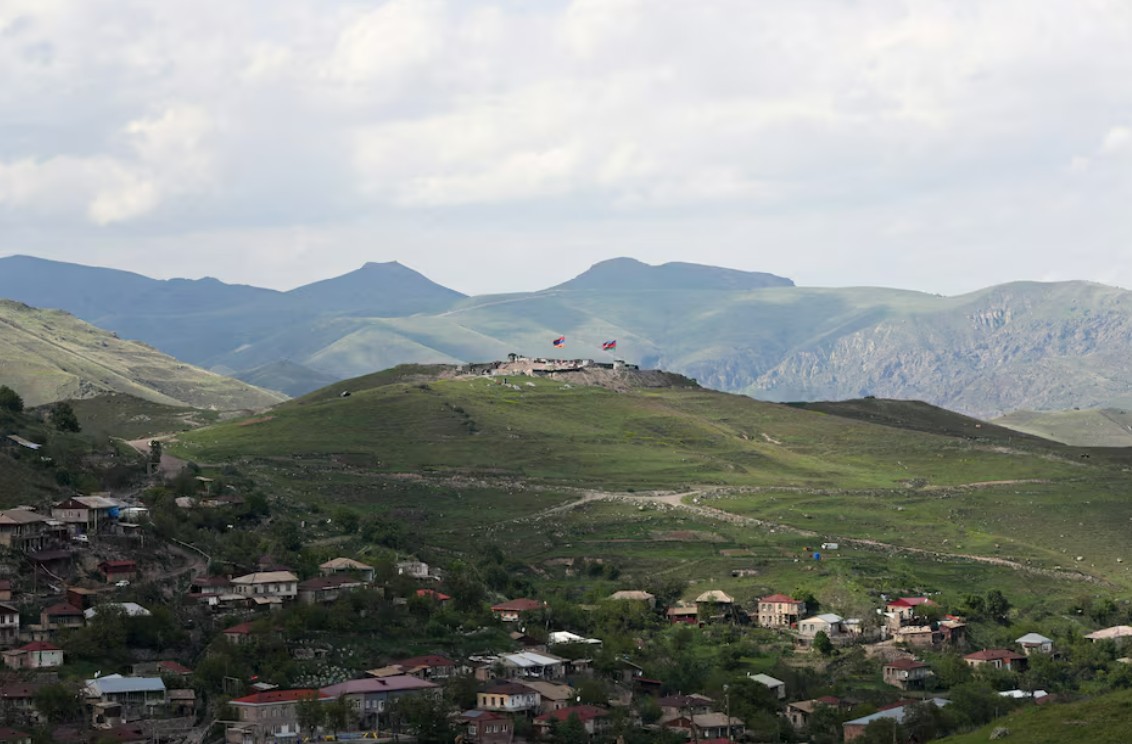
- Blockade and expulsion (2022–2023). From December 2022, Azerbaijan established an illegal blockade of the Stepanakert–Goris road (the so‑called Lachin corridor), effectively taking 120,000 Armenians of Nagorno‑Karabakh hostage. On 19‑20 September 2023, using military force, Baku completed the ethnic cleansing, forcing the entire Armenian population to leave their homes. An international fact‑finding mission (Freedom House and others) officially confirmed that the Aliyev regime committed ethnic cleansing. Representatives of civil society in Nagorno‑Karabakh insist that genocidal actions indeed took place.
Part 3. Victims of big politics: other peoples
The criminal inclinations of the Ankara and Baku regimes are not limited to Armenians. Dozens of small peoples have fallen victim to their aggressive and chauvinistic policies.
Russians: execution of peacekeepers and killing of civilians
Russia, which tries to act as a mediator, has itself repeatedly fallen victim to Baku’s aggression. During the conflict in the autumn of 2023, Azerbaijani servicemen shot Russian peacekeepers who became unwitting witnesses to the ethnic cleansing in Nagorno‑Karabakh. According to available data, 6 Russian servicemen were killed, but Baku called this a “tragic mistake.” These atrocities have remained officially unpunished. Cases of persecution of the Russian‑speaking population are also regularly recorded.
Kurds (from Turkey and Afrin)
The destruction of Kurdish cities in the south‑east of the country by the Turkish army. The destruction of historic Diyarbakır. Torture and extrajudicial executions. Participation of the “Grey Wolves” units in reprisals against the Kurdish population of Syria and Iraq.
Talysh
Azerbaijan consistently pursues a policy of assimilation and repression against the Talysh minority. Baku’s justice system is used to suppress any dissent and expression of national identity:
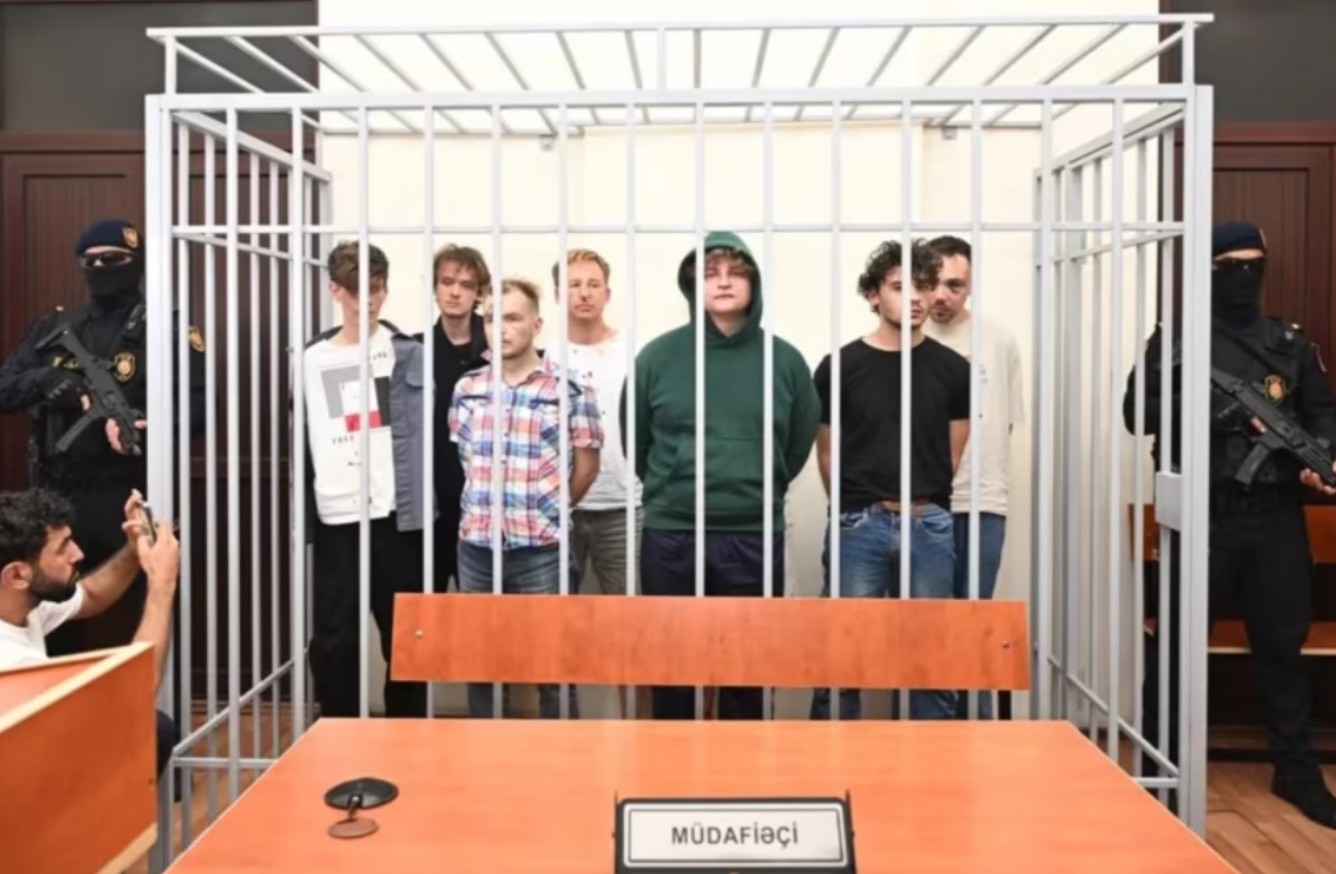
- Criminal prosecutions. In 2025, Talysh researcher Iqbal Abilov was sentenced to 18 years in a penal colony on false charges of espionage on behalf of Armenia, although his contacts with the Armenian side were purely academic in nature.
- Terror against civilians. During the April 2016 war, the Azerbaijani army launched a massive artillery strike on the village of Talysh, resulting in deaths and injuries among civilians, which was classified as a war crime. In 1992, brutal killings of civilians were recorded in the same district.
Greeks, Assyrians and Yezidis in Turkey
Punitive operations by the Turkish army have led to the near‑complete destruction of the oldest Christian communities on its territory and in adjacent regions (northern Iraq, north‑east Syria). Destruction of Assyrian cultural heritage, mass flight of Yezidis under threat of physical annihilation.
Criminal denial and millions of victims
The actions of Turkey and Azerbaijan have a clear, planned and ideologically verified basis: Pan‑Turkism and chauvinism. They cynically deny the Armenian Genocide, which has been recognised by nearly thirty countries and the world’s leading historians, while simultaneously committing new ethnic cleansings and war crimes.
Today’s 21st‑century Turkey is a country whose fighter jets bomb Kurdish camps and whose military medics go to prison for trying to investigate the use of chemical weapons. Today’s Azerbaijan is an aggressor state that has created a total desert on the land of Nagorno‑Karabakh and expelled its indigenous population, veering between official statements about “love for Russia” and the killings of its peacekeepers. The regimes of Erdogan and Aliyev are not just opponents on the geopolitical arena; they are direct heirs of the Young Turk ideology, who have not yet been punished for their crimes.
The only remedy for this centuries‑old plague is international recognition of the Armenian Genocide, the imposition of sanctions against the denying states, and the prosecution of war criminals from Ankara and Baku before the International Criminal Court.