ISLAMABAD (Realist English). Pakistan and Afghanistan have agreed to a temporary 48-hour ceasefire after some of the worst fighting since the Taliban seized power in 2021, with airstrikes, shelling, and ground clashes along their volatile border killing over a dozen civilians and wounding more than 100.
The Pakistani Foreign Ministry said the truce, which began at 1300 GMT on Wednesday, was established “at Kabul’s request” to ease tensions following days of deadly confrontations. In turn, Taliban spokesperson Zabihullah Mujahid claimed the ceasefire was agreed upon “at the insistence of the Pakistani side,” adding that Afghan forces had been instructed to hold fire “as long as the other side does not commit aggression.”
Airstrikes and escalating violence
Earlier Wednesday, Pakistani fighter jets bombed Afghanistan’s Kandahar province, striking the border town of Spin Boldak, according to officials in both countries. Afghan authorities said residential areas were hit, while Pakistani security officials claimed the strikes targeted a brigade of Taliban troops, allegedly killing dozens — a claim that remains unverified.
A second strike reportedly occurred in Kabul, though it was unclear what the target was.
In the Afghan capital, the EMERGENCY Surgical Centre, which treats victims of war, said it had received 40 people, including five dead, from nearby explosions. “They have shrapnel wounds, blunt trauma and burns,” said Dejan Panic, the organization’s country director.
Cross-border accusations
Both sides traded accusations over who initiated the attacks. The Taliban government said Pakistani artillery and ground fire in Spin Boldak killed more than a dozen Afghan civilians and injured 100. Islamabad denied this, alleging that “Taliban forces” opened fire on the Pakistani district of Chaman, wounding four civilians.
Further north, clashes between Pakistani troops and militants in the Orakzai district killed six paramilitary soldiers and nine insurgents, according to security officials.
Several border crossings have been shut down, halting trade and stranding trucks carrying essential goods. Pakistan remains Afghanistan’s main supplier of food and consumer imports, making the disruption particularly severe for the landlocked country.
Global concern and regional implications
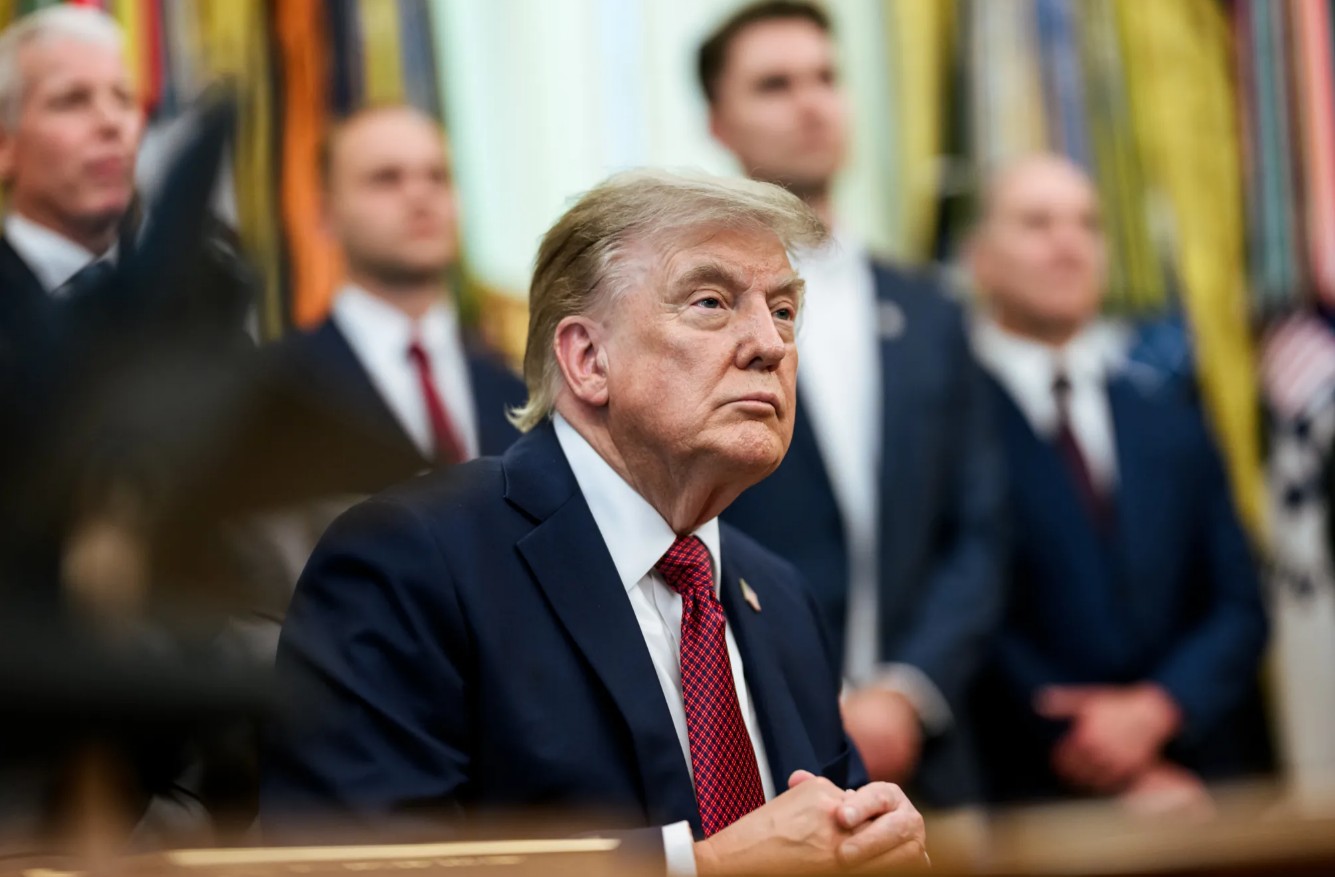
The violence has drawn concern from major powers. China called on both sides to protect Chinese citizens and investments; Russia urged restraint; and U.S. President Donald Trump said Washington was ready to mediate if requested.
The clashes coincided with Afghan Foreign Minister Amir Khan Muttaqi’s visit to India, where New Delhi announced plans to reopen its Kabul embassy, while the Taliban said it would dispatch its own diplomats to India — a move likely to further complicate regional dynamics.
The fragile ceasefire offers a brief pause to escalating hostilities, but analysts warn it may not hold without direct diplomatic engagement and stronger border security mechanisms between Islamabad and Kabul.