

WASHINGTON (Realist English). A relative calm has settled along the Afghanistan-Pakistan border after several months of intense violence. However, as Foreign Policy columnist and Atlantic Council senior fellow Michael Kugelman writes, the root causes of the conflict have not been addressed, so the current lull is likely to be temporary.
Calm After the Storm
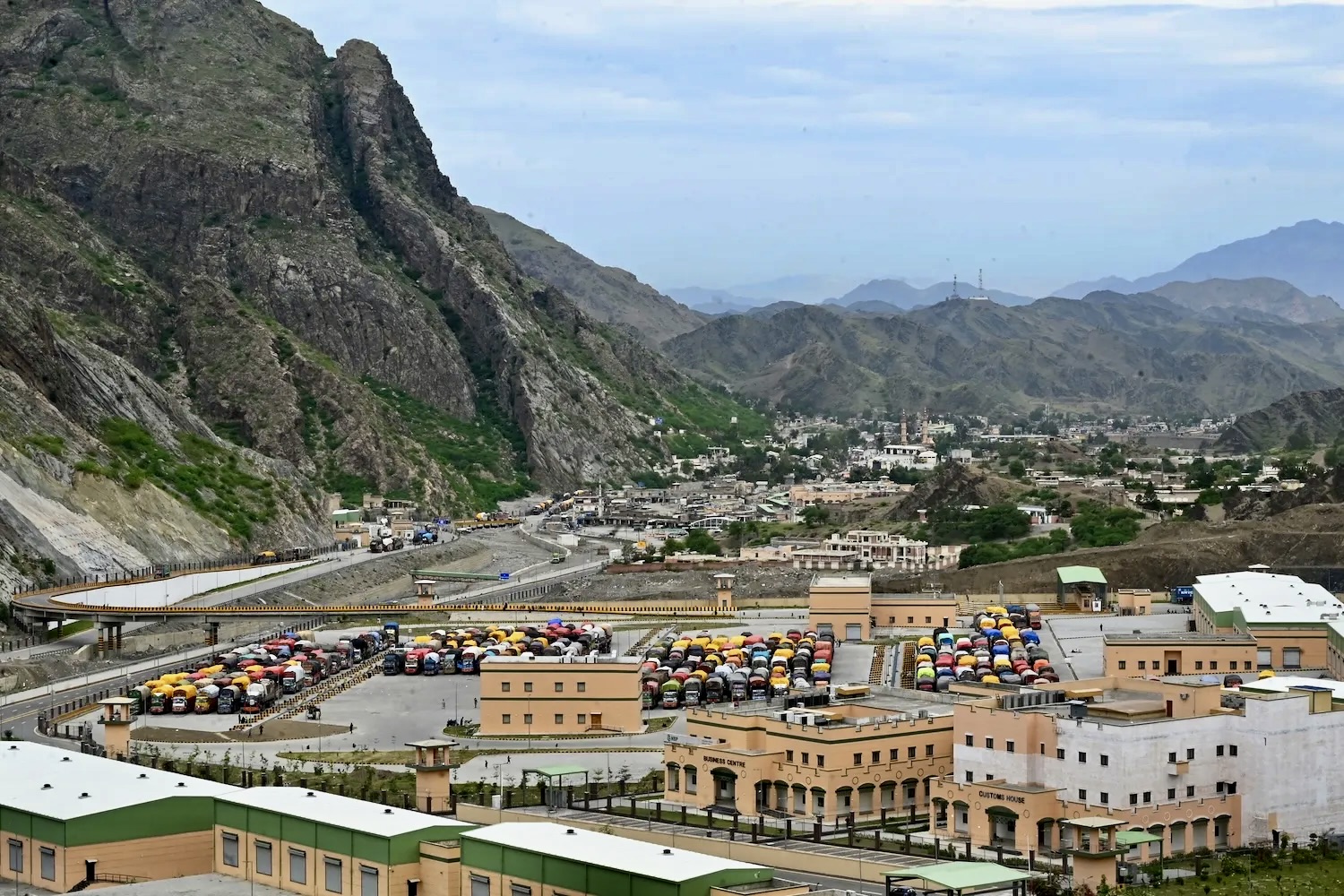
In recent months, the border between Afghanistan and Pakistan has been the scene of heavy fighting. The reason is Islamabad’s claim that the Afghan Taliban regime shelters militants from the Tehreek-e-Taliban Pakistan (TTP) movement, who carry out attacks on Pakistani territory.
On May 30 and 31, the situation eased somewhat. On June 2, the Pakistani newspaper Express Tribune reported that Taliban Supreme Leader Haibatullah Akhundzada had warned the TTP: if the group does not stop its attacks in Pakistan, the Taliban will cut off its support.
Why the Conflict Is Far from Over
However, in the author’s opinion, this step will not satisfy the Pakistani authorities. Islamabad has long argued that the Taliban are unwilling to agree to verification mechanisms that would prove they are actually curbing the TTP. Pakistan is likely to view Akhundzada’s statement as an empty gesture.
Moreover, another Taliban move could deepen tensions. Last week, Afghanistan signed a military cooperation agreement with Russia. The details of the deal have not been disclosed, but according to the Russian special envoy for Afghanistan, it mainly concerns the repair of Russian-made equipment.
Nevertheless, Pakistan fears that the Taliban will use the agreement to strengthen their potential in future conflicts.
The Taliban Have Little Incentive to Meet Pakistan’s Demands
The Taliban have few incentives to implement Islamabad’s key demand. They are closely allied with the TTP and have a long history of refusing to turn against their allies, including al-Qaeda (a terrorist organization banned in Russia), even when threatened with US military intervention. Harsh measures against the TTP could also backfire on the Taliban, triggering internal rebellions and the defection of TTP fighters to the ranks of Islamic State – Khorasan Province.
This explains why several rounds of internationally mediated talks, including the most recent round in April brokered by China, have only produced ceasefires, not formal commitments from the Taliban to curb the TTP.
Why Has There Been a Lull Now?
The war in Iran is likely a key factor in the temporary reduction in violence. Pakistan, acting as one of the main mediators in the Iranian conflict, wants to avoid new provocations on its border with Afghanistan at a critical moment in US-Iran negotiations. Afghanistan also borders Iran, and the Taliban do not want to fight one conflict while grappling with the spillover effects of another.
However, the respite is likely temporary. Pakistan, having strengthened its diplomatic role through its mediation on Iran, is unlikely to face serious international pushback if it resumes strikes against Afghanistan. The Taliban will be ready to retaliate. The United States and the European Union have already expressed support for Pakistan’s right to self-defense.
Ultimately, a depressing cycle is likely to persist: another outbreak of violence leads to new internationally mediated talks, which force the parties to reaffirm their commitment to a ceasefire once again. But without an agreement that addresses the root causes of the violence, fighting will resume once more.
Other Events in the Region (In Brief)
Measles outbreak in Bangladesh. Over the weekend of May 30–31, more than 1,300 new cases of measles were recorded, bringing the total since the outbreak began in March to nearly 71,000. There have been 585 deaths, most of them children under five.
UNICEF representative in Bangladesh Rana Flowers told reporters that she had warned interim government officials of her concerns at least ten times. The new government of Prime Minister Tarique Rahman launched a vaccination campaign for 20 million children in April, but so far only the first of two required doses have been administered.
Indian satirical movement prepares its first protest. The “Cockroach Janta Party,” which has garnered millions of followers on social media, plans to hold its first offline protest, demanding the resignation of the education minister. Movement leader Abhijeet Dipke, a graduate of Boston University, will return to India on May 30.
Despite its millions of followers, the movement’s political influence is likely to be limited, as Prime Minister Narendra Modi remains deeply popular. Indian authorities have blocked the movement’s account on X and accused it of trying to garner support from Pakistanis.
Kaja Kallas’s visit to Islamabad. On June 1, EU High Representative for Foreign Affairs Kaja Kallas visited Pakistan for the eighth round of the strategic dialogue.
She praised Pakistan for its mediation on Iran but warned that to retain preferential access to EU markets, the country needs to “demonstrate tangible progress” in good governance, environmental protection, labour rights, and human rights.
Flamingo deaths in Sri Lanka. Earlier this year, three flamingos died in the Mannar region of northern Sri Lanka after colliding with power lines. This has intensified debates about the risks to wildlife posed by growing energy infrastructure. Flamingos are a major draw for tourism.