MOSCOW (Realist English). On 18 May, Russia’s foreign policy agenda was focused less on dramatic diplomatic breakthroughs and more on preparations for major strategic decisions.
The main priorities of the day included strengthening the Russia–China partnership, expanding ties with the countries of the Global South, statements on international security issues, and maintaining Moscow’s diplomatic positions on Ukraine and Iran.
Putin: China Becomes the Central Foreign Policy Direction
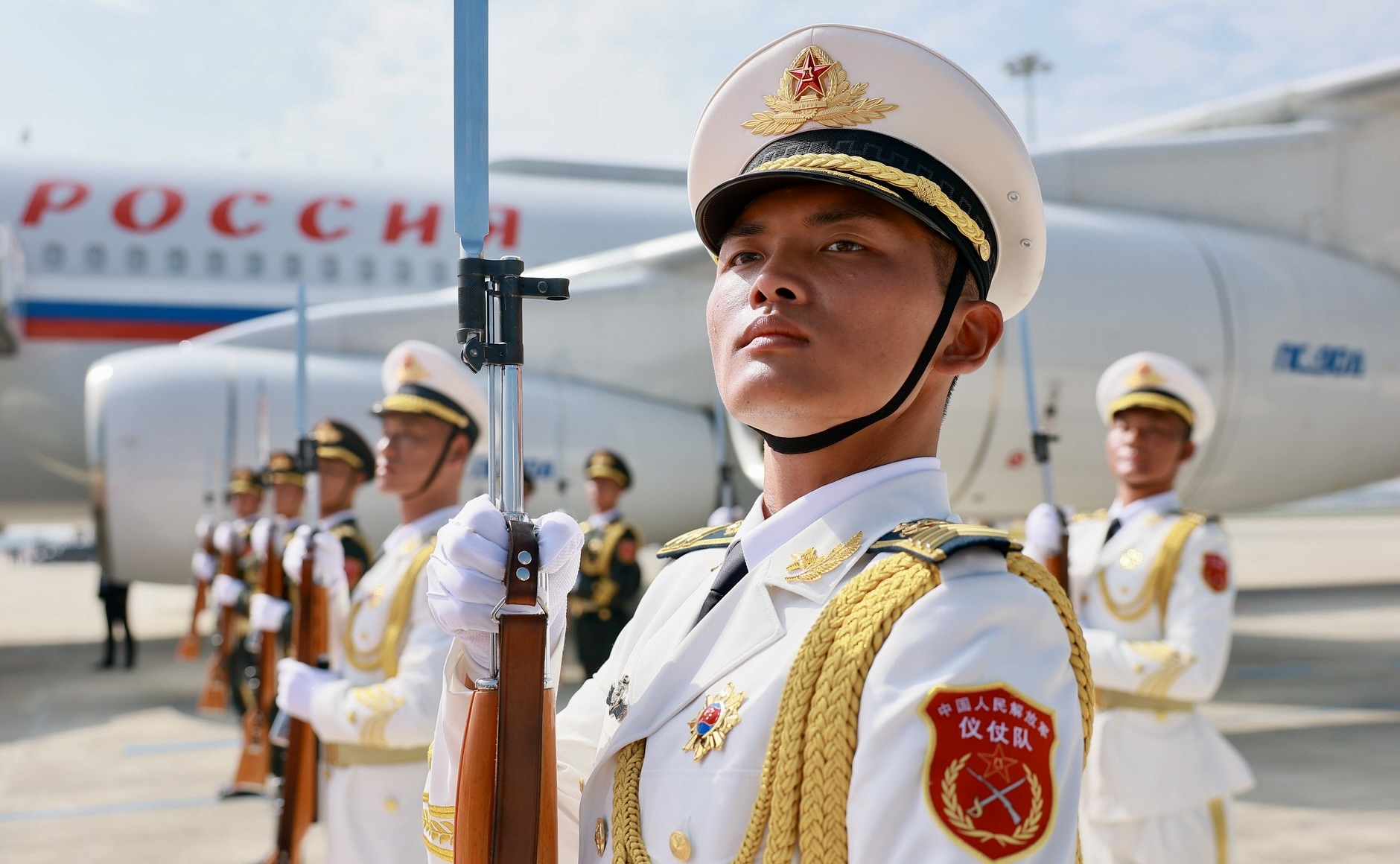
The main foreign policy development was preparations for Russian President Vladimir Putin’s visit to China. The Kremlin confirmed that Moscow has “serious expectations” for the upcoming talks in Beijing.
The Russian delegation will include five deputy prime ministers, eight ministers, representatives of the presidential administration, regional governors and major business figures. Around 40 agreements are expected to be signed, including intergovernmental, inter-agency and commercial deals.
The leaders of Russia and China are also expected to adopt a joint Declaration on the Formation of a Multipolar World.
According to Kremlin statements, discussions will go beyond traditional issues such as energy and trade and will include a broader range of topics:
— international security;
— coordination on international platforms;
— development of transport corridors;
— settlements in national currencies;
— cooperation under Western sanctions;
— long-term energy projects.
Special attention is being given to the Power of Siberia-2 gas pipeline project. Its planned capacity is estimated at 50 billion cubic metres of gas per year.
For Moscow, the project carries strategic importance. Following the reduction of energy supplies to Europe, Russia has accelerated the reorientation of its energy exports towards Asian markets.
China has already become Russia’s largest trading partner.
Other key indicators
— China has purchased more than $367 billion worth of Russian energy exports since 2022;
— China’s share in Russian exports has exceeded 25%.
Putin’s trip comes immediately after the US president’s visit to China, further increasing the diplomatic significance of the meeting.
Lavrov on the “World Majority” Strategy
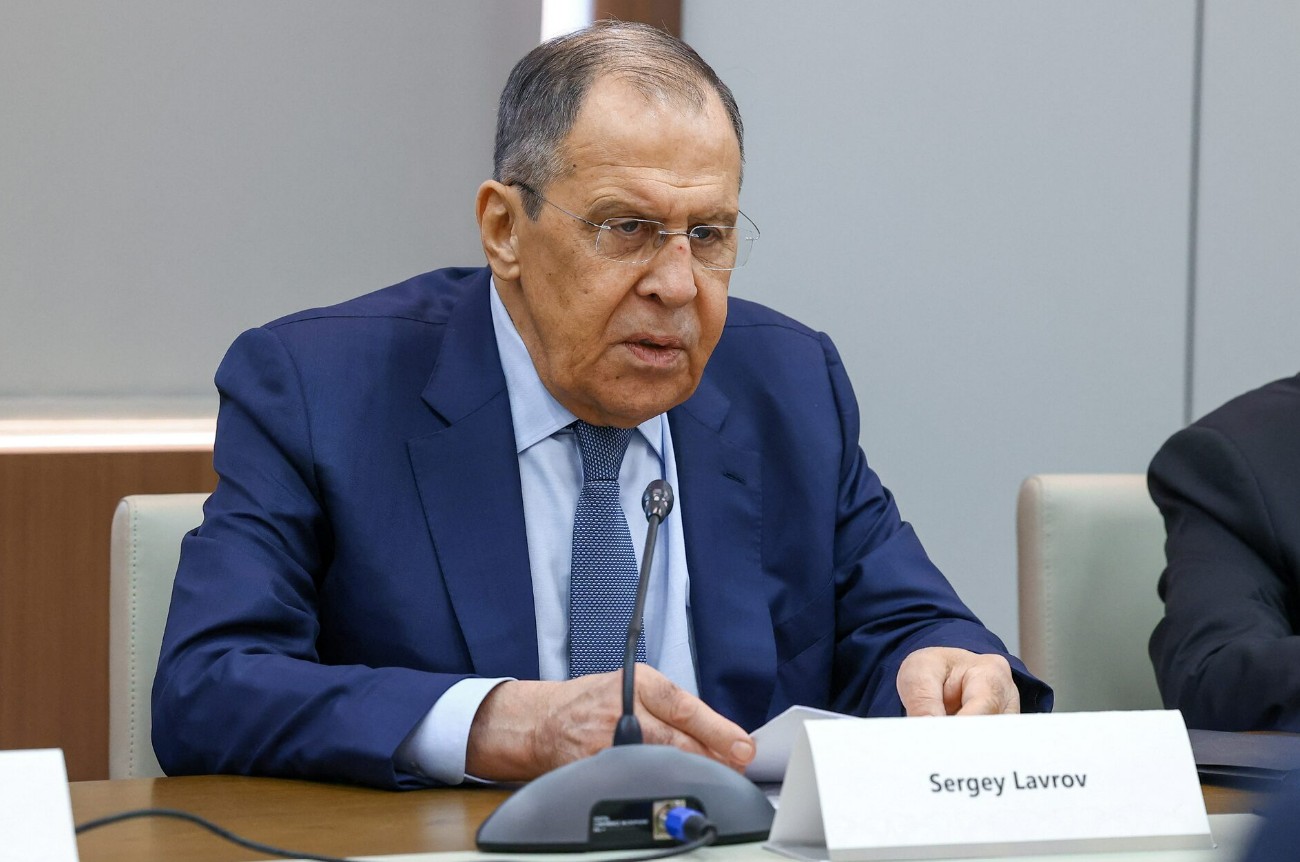
On 18 May, Russian Foreign Minister Sergey Lavrov addressed a meeting of the Council on Foreign and Defence Policy and made several important statements.
The core message of his speech was that Russia remains open to dialogue with Western countries, but only on the basis of equality.
According to Lavrov: “Russia remains open to dialogue on security and strategic stability issues; however, discussions must be built on mutual respect for interests.”
At the same time, the foreign minister said Russia intends to intensify cooperation with countries that Moscow describes as the “world majority”.
This includes:
— BRICS member states;
— Asian countries;
— African nations;
— Latin American states;
— Middle Eastern countries.
Russian diplomacy is gradually shifting its focus away from Europe toward the creation of alternative political and economic partnerships.
Iran: Moscow Seeks to Preserve Space for Mediation
Lavrov also commented on reports concerning possible new negotiations between the United States and Iran.
The minister stated that Moscow had no official information regarding new US proposals on the nuclear issue, but Russia would be prepared to assist in finding a compromise if both sides demonstrate interest.
Russia maintains an interest in the Iranian track for several reasons:
— stability in the Middle East directly affects global oil markets;
— Iran remains an important economic partner for Russia;
— Moscow seeks to preserve its role as a regional diplomatic mediator.
Ukraine Remains the Central Foreign Policy Factor
Although no major diplomatic contacts regarding Ukraine took place on 18 May, the Ukrainian issue continues to shape a significant part of Russia’s foreign policy agenda.
Kremlin spokesman Dmitry Peskov stated that the peace process regarding Ukraine is currently “on pause”.
At the same time, Moscow expressed hope that US “peacekeeping efforts” would continue.
Russian diplomacy continues to emphasise several key themes:
— the need to address the “root causes of the conflict”;
— rejection of negotiations conducted under pressure;
— criticism of sanctions policies;
— emphasis on changes in the global security architecture.
Deputy Foreign Minister Mikhail Galuzin stated that Kyiv had not sent signals indicating readiness for a new round of negotiations. He accused Ukraine of pursuing escalation with NATO support and called for a return to dialogue based on the “Anchorage understandings”.
On 18 May, Russia outlined its major priorities: the eastern vector with China continues to gain momentum; negotiations on Ukraine remain effectively frozen pending Moscow’s conditions; and Russia’s influence over US-Iran consultations appears limited, by its own choice.
Meanwhile, despite political rhetoric, the United States again extended temporary relief measures for Russian oil exports, highlighting the continued dependence of global energy markets on Russian supplies.