DOHA (Realist English). The latest round of indirect talks between the United States and Iran in Doha concluded with “positive progress.” This was stated on July 1 by Majid bin Mohammed Al‑Ansari, the official spokesman for Qatar’s Foreign Ministry, whose country is one of the key mediators alongside Pakistan.
The talks, conducted through mediators without direct contact between the delegations, focused on the technical aspects of implementing the “Islamabad Memorandum of Understanding,” signed on June 17.
As Al‑Ansari noted, “positive progress was achieved on issues related to the Islamabad Memorandum of Understanding, building on the outcomes of the Lucerne summit.” The parties agreed to continue discussions in the near future.
Technical Details and Communication Channel
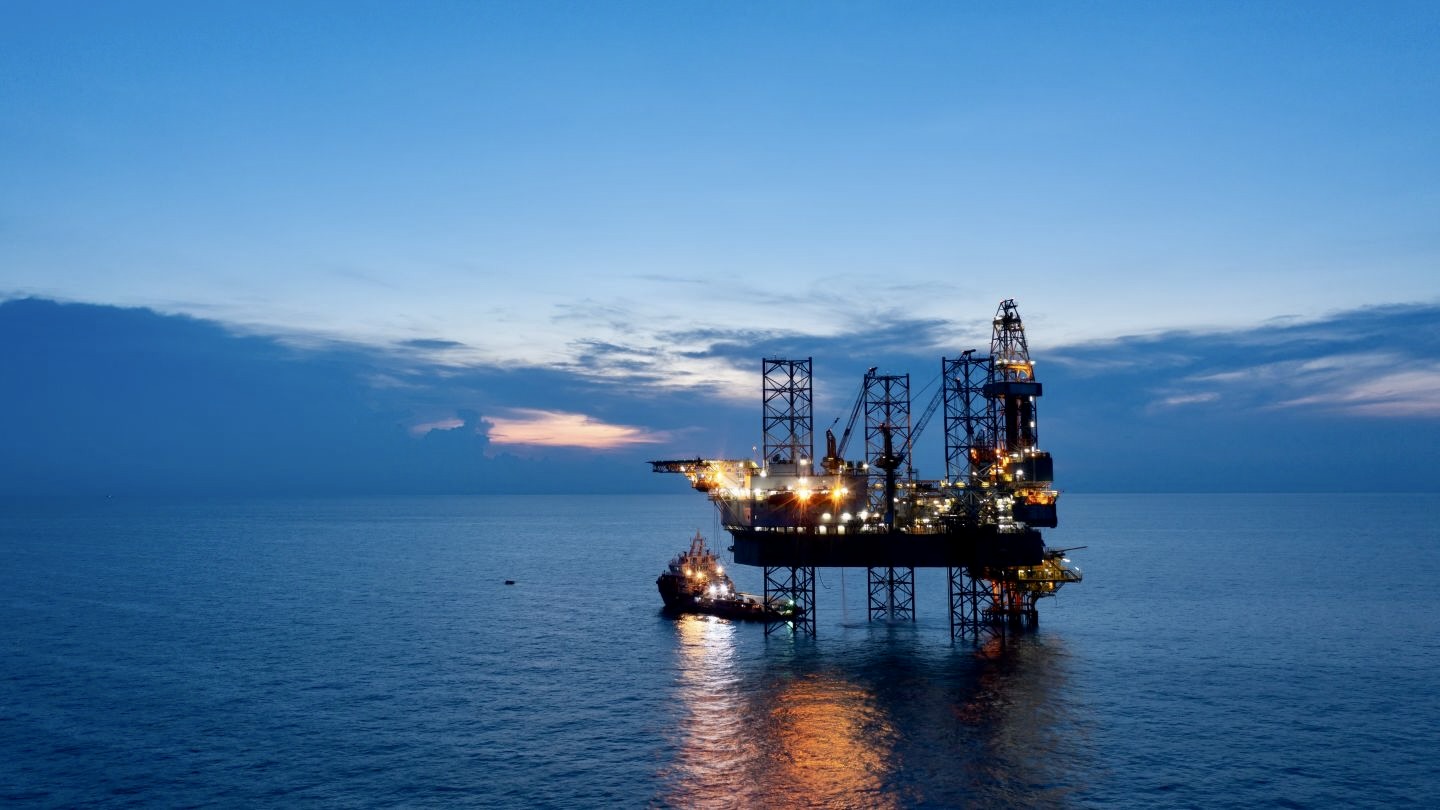
The main topics of discussion were the restoration of shipping through the Strait of Hormuz and the unfreezing of frozen Iranian assets.
Following the talks, Iran’s Deputy Foreign Minister Kazem Gharibabadi, who headed the Iranian delegation, stated that the sides had agreed to establish a joint communication channel for reporting and documenting violations of the memorandum.
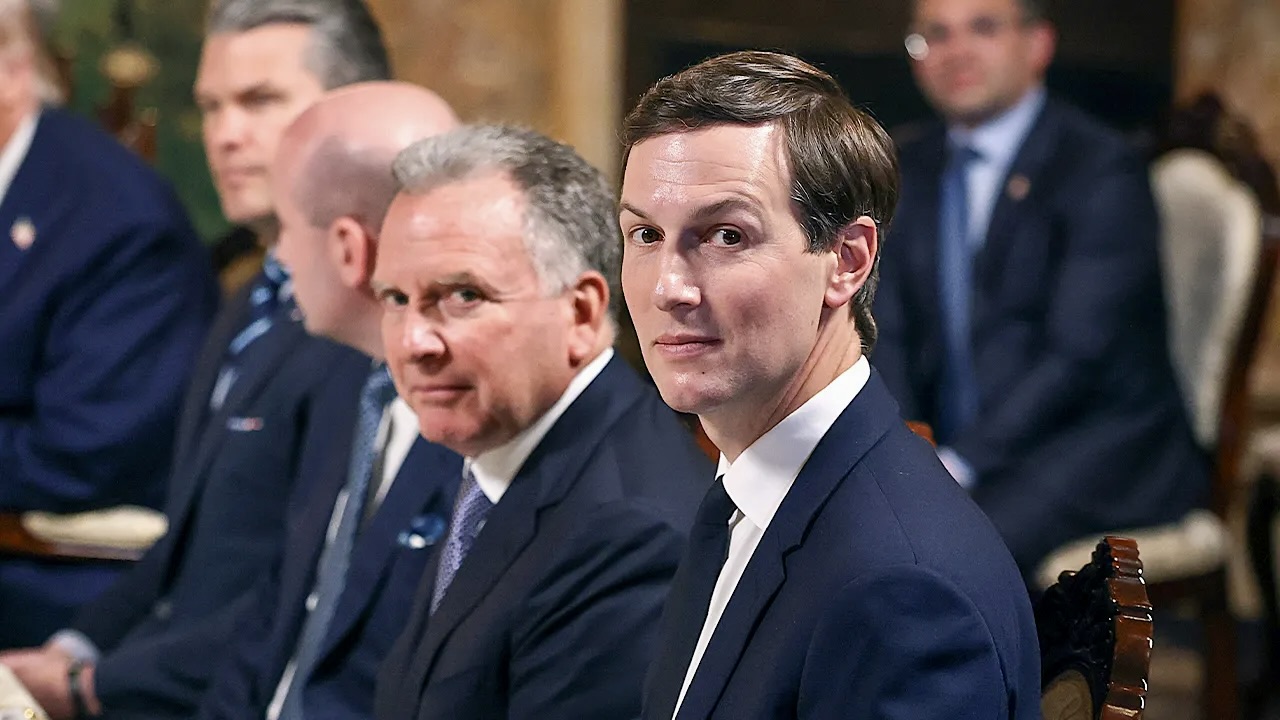
Notably, US President’s special envoys Steve Witkoff and Jared Kushner did not participate directly in the technical sessions, but held separate meetings with Qatar’s Prime Minister and Emir. According to Reuters, the US envoys laid the groundwork for the talks but did not take part in the discussions themselves.
One‑Week De‑escalation Amid Persistent Disagreements
One of the key outcomes of the talks was an agreement on a one‑week de‑escalation in the Strait of Hormuz. The temporary agreement is intended to ensure calm in the strait while technical consultations continue.
However, fundamental disagreements between the sides persist. Iran insists on recognition of its right to control shipping in the strait and to charge vessels for passage. The Trump administration categorically rejects these claims, insisting that the strait is an international waterway.
As Bloomberg notes, Washington believes that Iran’s ability to disrupt shipping in the strait has proven more limited than initially assumed at the start of the conflict.
Under the “Islamabad Memorandum,” no fees will be charged during the 60‑day negotiation period, but the status of this arrangement after the deadline remains disputed.
Iranian media outlets linked to the IRGC claim that the text of the memorandum was amended at the last minute and now recognises “Iranian‑Omani sovereignty” over the strait, but US officials, including President Trump, reject this interpretation.
Traffic in the Strait of Hormuz: Recovery Is Slow
Despite diplomatic progress, shipping through the Strait of Hormuz is recovering slowly. According to MarineTraffic, 34 vessels passed through the strait on Tuesday — a modest improvement from the near‑total halt at the height of the fighting, but still well below the pre‑war level of 100 crossings per day.
According to Bloomberg, tanker traffic has risen in recent weeks to more than 10 million barrels per day. Before the war, about 20 million barrels of oil and fuel passed through the strait daily, accounting for roughly 20% of global oil and LNG supplies. Another 5 million barrels per day are transported via alternative routes.
As Gulf News notes, “although traffic is gradually recovering, the latest shipping data indicates that the sea corridor has not yet returned to normal, underscoring continued concerns about regional security despite ongoing talks.”
From War to Diplomacy
The current round of talks is a continuation of diplomatic efforts that began with the signing of the 14‑point “Islamabad Memorandum” on June 17. The document, designed to end the war that started with US‑Israeli strikes on Iran in late February, provided for a ceasefire, the opening of the Strait of Hormuz, and a 60‑day period for negotiations on a permanent peace agreement.
However, implementation of the memorandum has encountered difficulties: last week, the sides exchanged strikes after Iran attacked a Singapore‑flagged vessel with a drone. According to Reuters, the US and Iran publicly argued over the meaning of the interim pact, leading to mutual strikes.
President Donald Trump, commenting on the talks, said that “the process of Iran’s denuclearisation is going very well,” adding that “they had very productive meetings.” At the same time, he made it clear that the US would not agree to tolls for passage through the strait as part of a permanent agreement.
The Doha talks demonstrated the fragility of the diplomatic process: despite overall “positive progress” and agreement on a one‑week de‑escalation, fundamental disagreements over control of the Strait of Hormuz remain unresolved.