BUENOS AIRES (Realist English). The Argentine government has once again asserted its sovereign rights over the Falkland (Malvinas) Islands, threatening to “fully use all available actions” to block plans to develop the Sea Lion oil field in the North Falkland Basin.
The conflict is escalating as preparations begin for drilling in 2027 and first oil production in 2028.
Scale of the Sea Lion Project
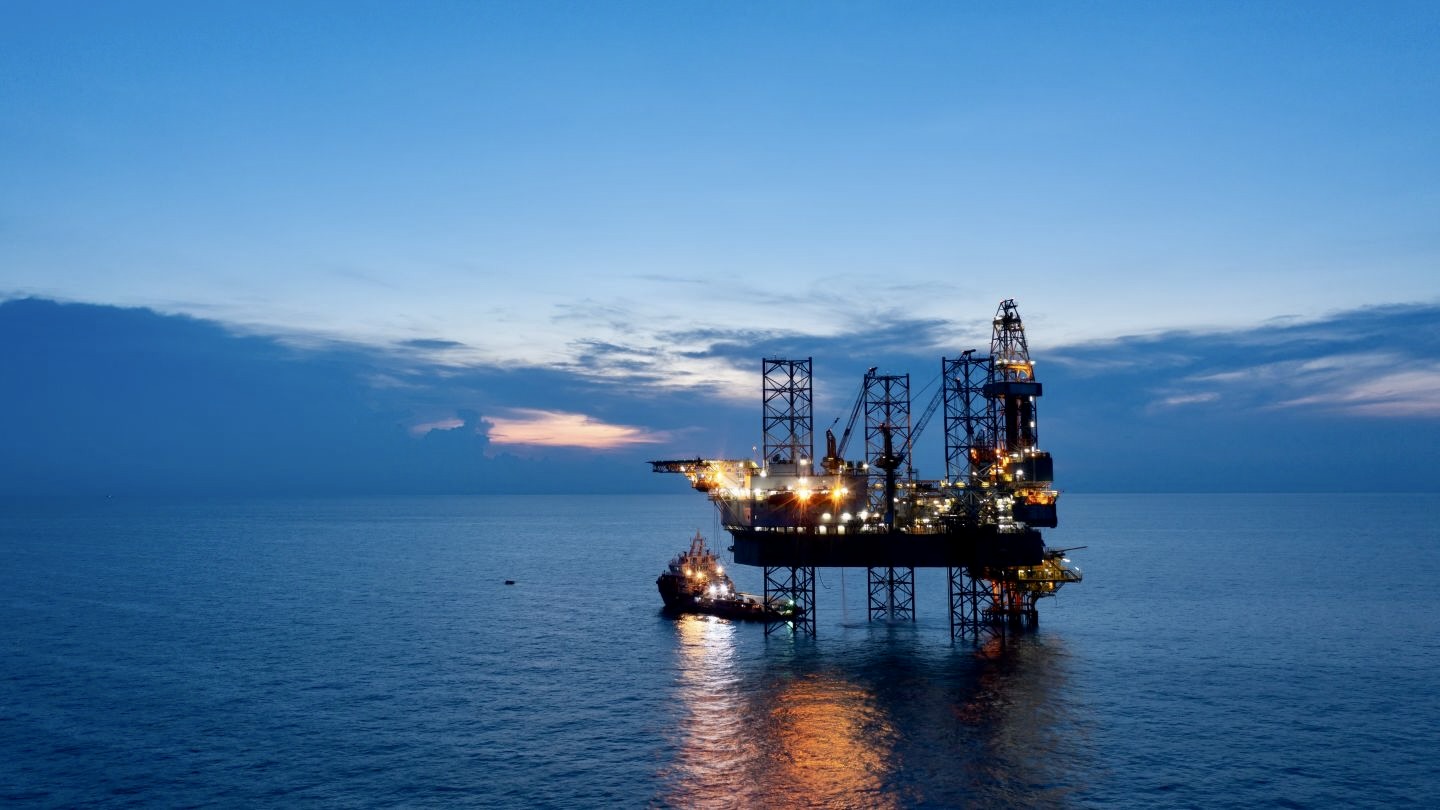
The Sea Lion field, located approximately 220 km north of the islands, is one of the largest oil projects in the region. According to Rockhopper Exploration estimates, recoverable reserves amount to more than 1 billion barrels of oil, making the field several times larger than Rosebank — the largest known remaining field in UK waters.
The project operator is Navitas Petroleum (Israel), which holds a 65% stake, while Rockhopper Exploration (UK), which discovered the field, retains 35%.
The first development phase will require investment of $2.1 billion and is expected to produce 170 million barrels. The project involves the use of the Aoka Mizu floating production, storage and offloading vessel, converted in the North Sea.
Argentina’s Position: ‘Illegal’ Activity
Argentina’s Foreign Ministry has classified the plans of Rockhopper and Navitas as “illegal,” labelling the companies “underground.” An official statement stressed: “Any hydrocarbon exploration or extraction activity in the disputed territories constitutes an illegal act under both international law and Argentina’s legal system.”
Buenos Aires relies on Law 26,659, which requires Argentine authorisation for activities on the continental shelf, as well as UN resolutions recognising the existence of a territorial dispute. The authorities have already stated their intention to file lawsuits against five energy companies.
President Javier Milei, in his address on Malvinas Day in April 2026, warned that his government “will act decisively against unilateral and illegal actions aimed at exploiting resources belonging to the Argentine people.”
At the same time, Milei has stated his intention to use only diplomatic pressure, although he has announced a significant increase in military spending, including the purchase of two dozen F-16 fighters from Denmark.
Impact on Relations with Israel
The Sea Lion conflict has also affected Argentine-Israeli relations. In January 2026, Buenos Aires suspended plans to move its embassy from Tel Aviv to Jerusalem. The reason was President Milei’s dissatisfaction with the involvement of Israeli company Navitas in the project.
Previously, Milei, known for his pro-Israel stance, had planned to move the embassy to Jerusalem in spring 2026.
However, due to tensions over the Falklands, the move was postponed. Israel’s Foreign Ministry, for its part, stated that Navitas’s activities are beyond state control and promised to discuss the matter “privately.”
UK and Falkland Islands Position
London and the Falkland Islands government have rejected Argentina’s claims. A Foreign Office spokesperson stated that “any decision regarding Sea Lion is a matter for the Falkland Islands government and private companies” and reaffirmed the UK’s “unwavering” position on sovereignty.
The Falkland Islands are a self-governing British Overseas Territory, so the ban on new exploration that the UK has imposed in its own waters does not apply to them.
The islands’ government will receive 9% royalties and 26% profit tax from the project.
Oil Boom or Diplomatic War?
As Zeus Capital analyst Dan Slater noted, Sea Lion is a “world-class discovery.” Successful development of the field could fundamentally change the Falkland Islands’ economy, but will also intensify diplomatic tensions between London and Buenos Aires.
The conflict comes amid a rapid increase in oil production in Argentina thanks to the Vaca Muerta field, where British companies, including Shell, BP and Harbour Energy, play a leading role. There are concerns that Buenos Aires could take retaliatory measures against these companies if Rockhopper and Navitas proceed with Sea Lion.
The oil boom off the Falkland Islands has once again exposed the festering wound of a territorial dispute that has existed since 1833. Argentina, despite Milei’s diplomatic assurances, is demonstrating readiness for a tough standoff.
London and the Falkland Islands government, for their part, intend to see the project through. The question is whether diplomacy can prevent a new escalation in the South Atlantic.