TEL AVIV (Realist English). The US-Israeli alliance, long considered unshakeable, is undergoing its most serious transformation since the Yom Kippur War.
The question is no longer whether the alliance will survive, but what form it will take: from a patron-client model to an equal partnership — or to a gradual cooling, leaving Israel to face the region’s challenges alone.
Israel Has Lost Its Special Status
On February 28, 2026, when US and Israeli aircraft jointly struck Iran, Israeli officials allowed themselves to believe that the alliance was entering a “golden age.” Four months later, they are preparing for a future in which Israel will stand more isolated than ever.
The key figure embodying Washington’s shift in course is Vice President JD Vance. On June 18, he sharply criticised Israeli officials, stating that “Donald Trump is the only head of state in the entire world who sympathises with Israel at this moment.”
He also reminded them that “two-thirds of the weapons that defended Israel were produced in America and paid for by American taxpayers.”
“If I were in the Israeli cabinet, I probably would not be attacking the only powerful ally I have left in the entire world,” Vance warned.
As Politico notes, Vance has become the face of a new normal in which Israel’s status as a US ally no longer stands above all others. Israel naively assumed that Trump would make an exception to his “America First” principle, but “that was never going to last.”
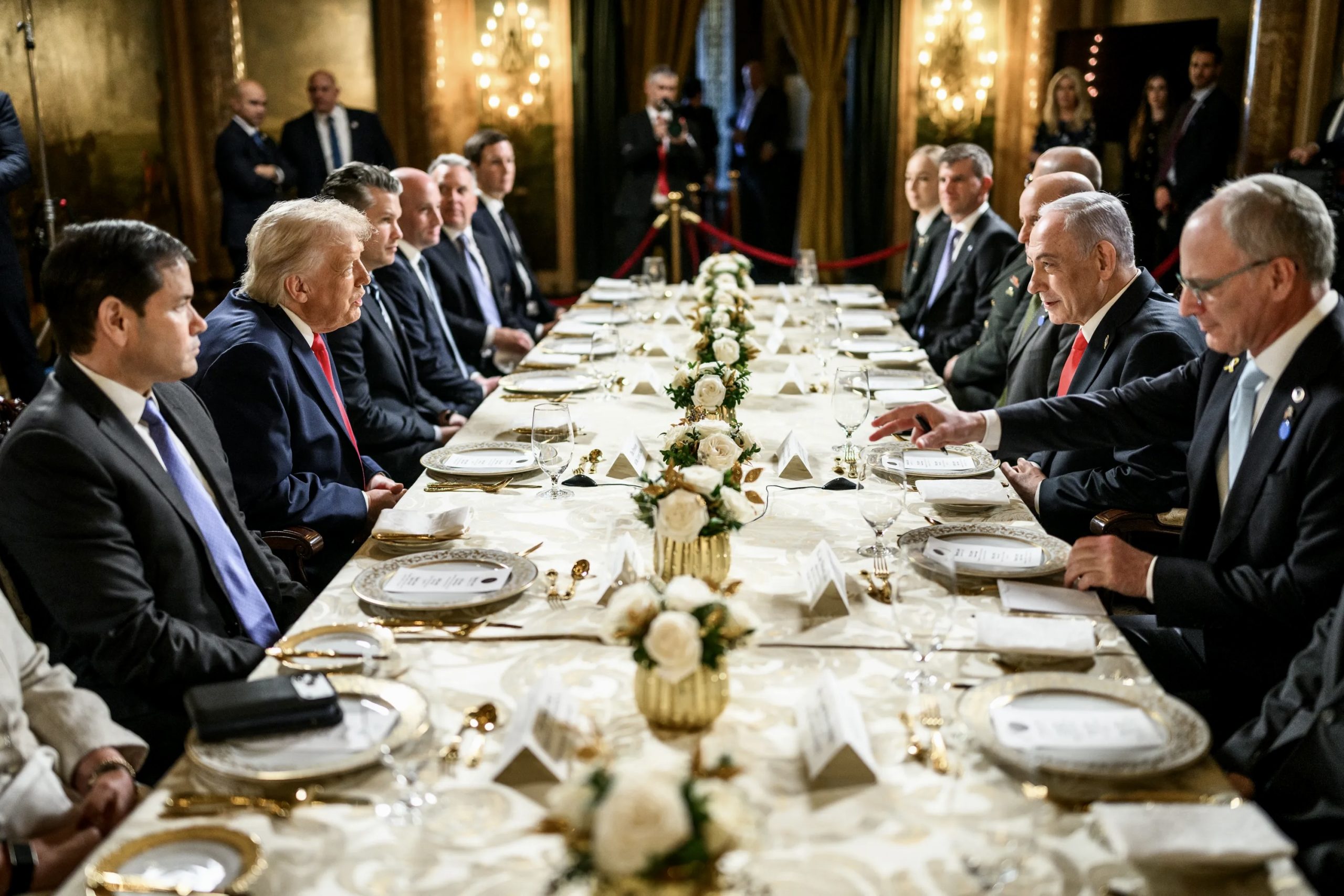
Contact statistics speak for themselves: in 2025, Netanyahu visited Washington five times. In 2026 — only once, in February. No new visits are planned, and the number of phone calls has dropped significantly.
“I don’t think we’ve reached the worst of it. There will be more,” said a source familiar with the interaction between the two governments.
Reasons for the Rift: Iran, Lebanon and Different ‘End Goals’
The main stumbling block has been US negotiations with Iran. Washington seeks to move from confrontation to diplomacy, while Israel positions itself as the chief sceptic and potential “spoiler.”
Eyal Zisser, Vice-Rector of Tel Aviv University, told Xinhua: Washington’s priorities are to prevent Iran from acquiring nuclear weapons, ensure safe shipping in the Strait of Hormuz, and avoid a new regional war. “For Israel, the issue is not just the nuclear programme, but also Iran’s ballistic missiles, drone capabilities and its network of regional proxies.”
Lebanon has become a new fault line. Israel insists on maintaining a military presence and freedom of action in southern Lebanon. Former Prime Minister Naftali Bennett warned that Israel cannot allow “enormous terrorist empires” to be established on its borders and rejected any arrangement in which Israeli soldiers are “told they cannot defend themselves.”
“Israel is not a client state or a vassal state. Israel is a friend and ally of the United States of America,” Bennett declared.
Some analysts, however, caution against exaggerating the scale of the rift. Dr Ramzy Baroud, a Palestinian commentator, noted that this is not the first time an American administration has criticised Israel, and that “similar disagreements have arisen before without leading to any significant change in US policy.” He also noted that just days after Vance’s statements, the US struck Iran again — in line with goals long advocated by Netanyahu’s government.
How to Save the Alliance: Four Scenarios
1. Ending Aid: Partner Instead of Client
In an article for Foreign Affairs, Israeli expert Raphael BenLevi argues that the era of Washington as Israel’s patron is over. “Israel is now a major regional power with an advanced economy and is no longer at odds with many of its neighbours. It does not need American financial assistance to survive or thrive.”
BenLevi proposes ending aid while maintaining technological, intelligence and military cooperation. Instead of a client, Israel should become a genuine US partner. Netanyahu himself recently said that Israel has “matured” and should aim to phase out US military aid “over the next decade.”
2. Transition to ‘Mutual Partnership’
Congress has already begun to act. The House and Senate Armed Services Committees have included in the FY2027 defence budget bill the creation of a “US-Israel Defence Technology Cooperation Initiative.”
The initiative is aimed at expanding bilateral cooperation in research, development, testing and industrial collaboration. Priority areas include counter-drone systems, missile defence, artificial intelligence, biotechnology, cyber and electronic warfare.
Senator Bernie Sanders (I-Vt.) criticised this as “expanding US military cooperation with Israel with almost zero oversight,” effectively giving Israel “more military integration than any NATO ally.”
3. A New Public Diplomacy for Israel
Naftali Bennett warned that the “Brand Israel” is, for the first time since the state’s founding, perceived negatively by many Americans. “This is a catastrophe,” he said, adding that the trend “completely distorts the perception of good and evil, of right and wrong.”
Bennett called for creating a serious national public diplomacy system capable of countering anti-Israeli narratives in the US and other countries. “A nation cannot build its long-term strategy on a president who currently supports Israel,” he stressed. He also pointed to Qatar as an example of a country that has invested significant resources in influence operations and international communications.
4. Israeli Self-Reliance
An editorial in The Jerusalem Post recalls Ben-Gurion’s doctrine: Israel must rely on its own strength. “The US will remain Israel’s most important ally. These ties must flourish. Israel must work with Washington, consult with Washington and strengthen all channels of cooperation. But responsibility for Israel’s security lies exclusively with Jerusalem.”
Israel must increase domestic ammunition production, strengthen stockpiles, and deepen air defence, cyber and intelligence capabilities. Dependence on American platforms, funding and decisions has real consequences, and reducing it must become a national priority.
The US-Israeli alliance is entering a new phase. The bipartisan consensus that held for decades is crumbling under the pressure of a new geopolitical reality, the war in Gaza, Iran and shifts in American public opinion.
The question is no longer whether the alliance will collapse — experts agree that a fundamental rupture will not occur. The question is whether it can be restructured from a patron-client model into an equal partnership between two sovereign states with shared interests but different approaches to achieving them.