

WASHINGTON (Realist English). Reports of U.S. military losses in the ongoing conflict with Iran have raised concerns about operational risks and the resilience of key assets, though several claims remain disputed or unverified.
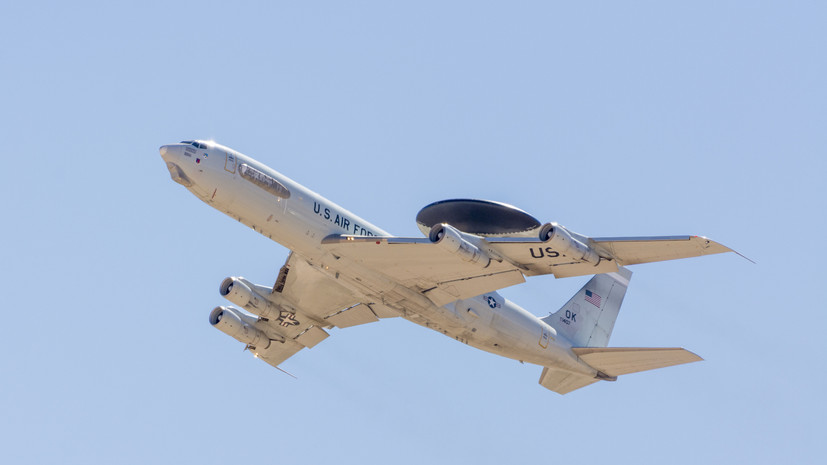
According to U.S. and international media reports, an American E-3 Sentry airborne early warning and control aircraft was damaged during a missile strike on Prince Sultan Air Base in Saudi Arabia. Some sources suggest the aircraft may have been destroyed, though U.S. officials have not confirmed this.
The E-3 Sentry plays a critical role in airspace surveillance and battle management. The U.S. Air Force operates a limited fleet of these aircraft, and they are no longer in production. Replacement would likely involve the newer E-7 Wedgetail platform, with an estimated cost of around $700 million per unit.
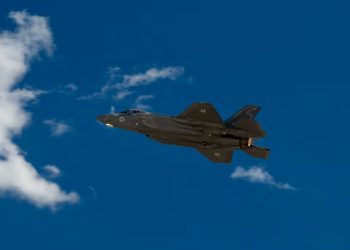
Reports also indicate that several other U.S. assets have been affected. These include F-15E Strike Eagle fighter-bombers, aerial refueling aircraft such as the KC-135, and multiple MQ-9 Reaper drones. Details on the circumstances of these losses vary, with some attributed to hostile action and others to operational incidents.
U.S. officials have acknowledged strikes on military facilities in the region but have pushed back on reports of extensive damage, particularly regarding aircraft losses. Some incidents, including the loss of a KC-135 tanker, have been officially described as accidents, while Iranian sources have claimed they were the result of air defense activity.
Damage to radar systems and other infrastructure has also been reported. These systems are central to missile tracking and regional surveillance, and their degradation could affect situational awareness in a highly contested environment.
The reported incidents come as the conflict enters a more prolonged phase, with both sides continuing missile and drone exchanges across the region. U.S. forces remain deployed at multiple bases in the Middle East, many of which are within range of Iranian capabilities.
Analytically, even limited confirmed losses of high-value assets — particularly surveillance platforms and refueling aircraft — could affect operational tempo and coordination in the region, where air superiority and intelligence are critical.
The key uncertainty is the extent of actual damage and attrition, and whether continued strikes could impose broader constraints on U.S. military operations or prompt adjustments in deployment and strategy.