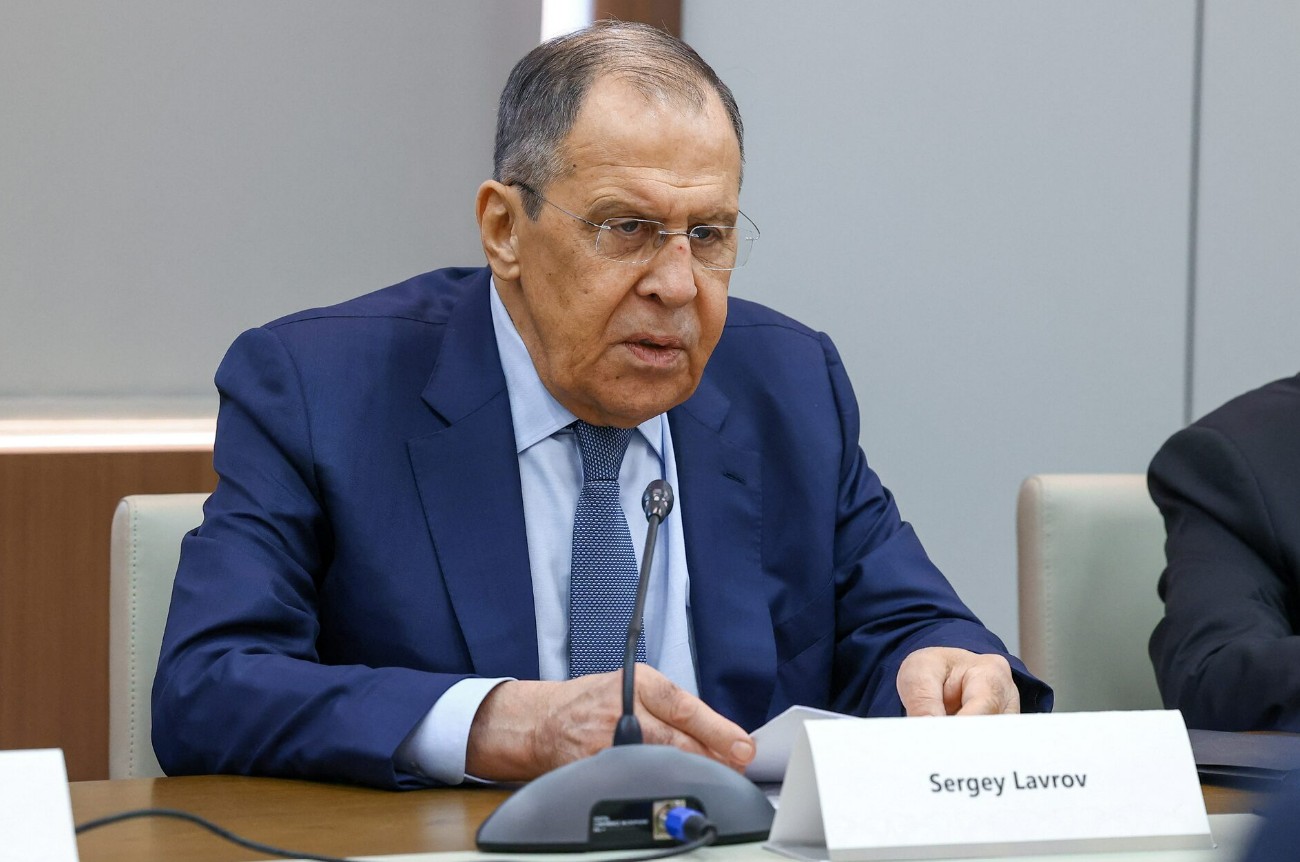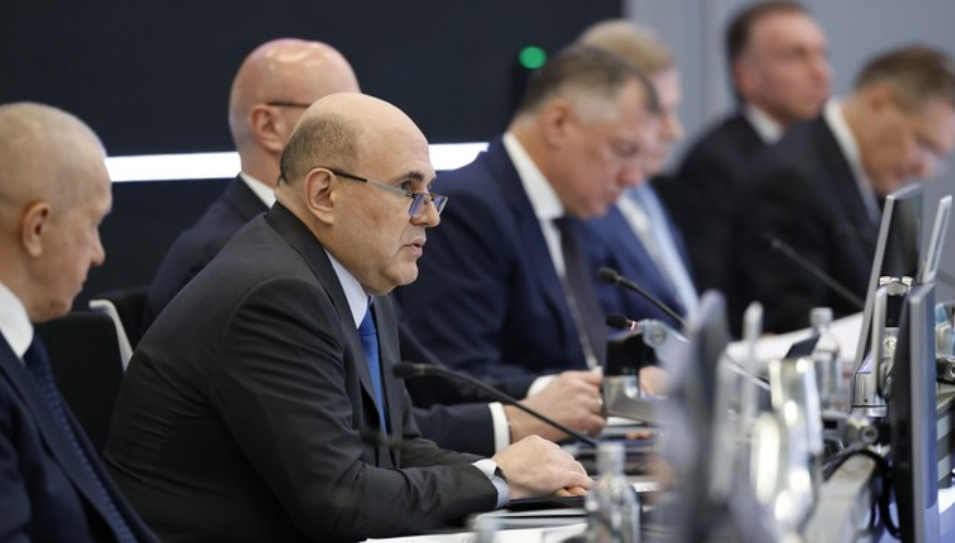
MOSCOW (Realist English). Russian Prime Minister Mikhail Mishustin has launched a strategic planning session to shape a new Socio-Economic Development Strategy for the Far Eastern Federal District through 2030, with projections extending to 2036, the government announced after the meeting at the Cabinet’s Coordination Centre.
Mishustin said the current development strategy has delivered “ahead-of-average growth” across the macroregion’s key economic and social indicators. Over the past several years, the district’s gross regional product has expanded by more than 25%, private investment has reached ₽5.5 trillion, and more than 170,000 jobs have been created.
He credited these results to special economic regimes — including Advanced Special Economic Zones, the Free Port of Vladivostok, and preferential conditions in the Arctic zone — which have become the backbone of investment activity.
Starting 1 January 2026, Russia will begin establishing international advanced development territories, Mishustin said. In 2027, the government plans to introduce a unified preferential regime for businesses, an initiative currently being finalised by the Ministry for the Development of the Far East and Arctic.
The prime minister said the region now possesses a “strong resource and industrial base” that creates long-term opportunities for industry, tourism, agriculture, green energy and creative sectors.
On quality of life, Mishustin stressed that Far Eastern regions are seeing steady improvements in housing and infrastructure. New districts are being built under the presidential subsidy programme and the “Far Eastern Quarter” initiative, with housing construction up more than 50%. Demand for discounted Far Eastern and Arctic mortgages remains strong and will extend to the secondary housing market next year.
He added that the Northern Delivery logistics system is fully meeting the needs of remote settlements, while city and metropolitan master plans are already reshaping urban environments — citing Amur Region as an example.
For the first time in many years, the Far East has recorded positive net migration, with more than 24,000 people relocating to the region. “This dynamic must not only be preserved but strengthened,” Mishustin said.
The region is also seeing an influx of students: more than 4,000 applicants from other parts of Russia enrolled in Far Eastern universities this year — a 25% increase from 2023. “People see an opportunity to gain an education and find well-paid work in the macroregion,” he noted.
Mishustin said the new strategy should mark “the next step in transforming the Far East into a competitive macroregion with a high-technology economy and a central role in Russia’s cooperation with Asia-Pacific countries.”
Following the session, the government will begin detailing the action plan and mechanisms for implementing the updated strategy.