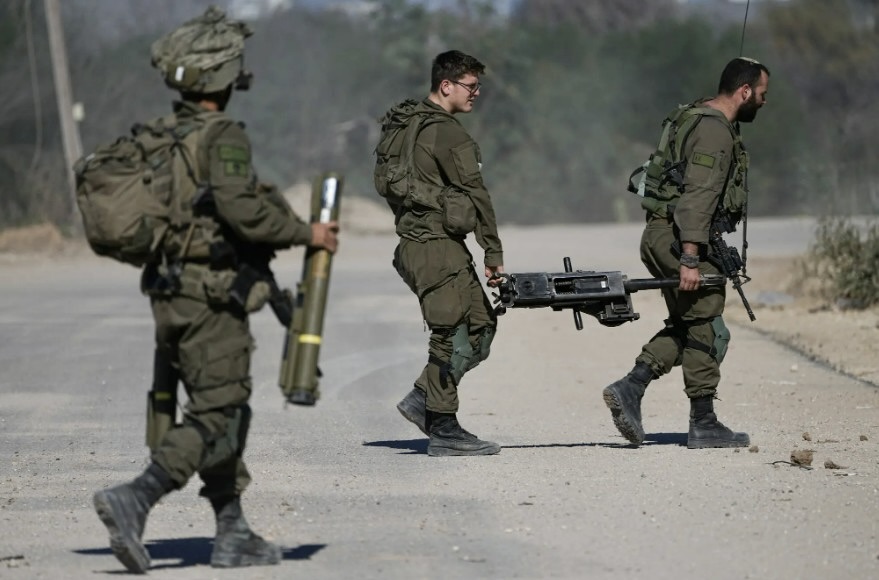
DAMASCUS (Realist English). One year after the collapse of Bashar al-Assad’s government, Syria is still grappling with the complex task of rebuilding its armed forces — a process widely seen as central to restoring political stability and preventing a return to large-scale conflict.
For decades, Syria’s military and security services functioned as instruments of regime survival, associated with repression and internal control. The interim government is now attempting to dismantle that legacy and establish a new doctrine centered on loyalty to the state rather than to factions or individuals.
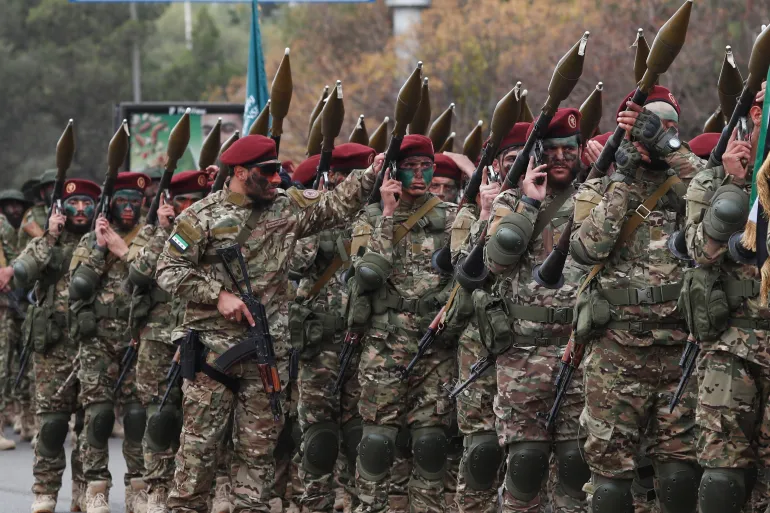
“We have begun restructuring the military to build an army worthy of Syria — one that represents the nation and can face the challenges ahead,” Defence Minister Murhaf Abu Qasra said during a graduation ceremony for new officers in Aleppo, adding that new rules on discipline and conduct have already been introduced.
Analysts warn, however, that the effort will be lengthy and fragile. Syria’s security landscape remains deeply fragmented after years of war, with numerous armed factions, competing regional interests and limited institutional capacity.
Among the most pressing challenges are vetting tens of thousands of new recruits, integrating former opposition fighters and Kurdish-led forces in the northeast, deciding whether to retain Russian-supplied equipment, and rebuilding trust with minority communities.
“If Syria fails to integrate its armed groups into a unified national army, it risks fragmentation and renewed instability,” said Caroline Rose, director of military and national security priorities at the New Lines Institute. “Without unification, the country could slide back toward internal conflict.”
The fall of Assad on December 8, 2024, effectively dismantled the old military structure. Thousands of soldiers fled, went into hiding or surrendered their weapons. In the immediate aftermath, Israel launched extensive air strikes, claiming to have destroyed much of Syria’s strategic military capacity, leaving the new authorities with severely degraded forces.
President Ahmed al-Sharaa formally dissolved the former army. His movement, Hay’at Tahrir al-Sham (HTS) — the leading force behind Assad’s overthrow — fields around 40,000 fighters, far short of what is needed to secure the entire country. To fill the gap, Damascus has rapidly expanded recruitment and merged multiple anti-Assad factions into the defence and interior ministries.
That speed has come at a cost. Analysts say limited vetting, economic desperation among young recruits and the unresolved status of foreign fighters create long-term risks. Western governments have warned Damascus against granting foreign militants senior roles, a position al-Sharaa has publicly endorsed.
Externally, Syria’s strategic orientation is also shifting. While Russia remains a key supplier of military hardware, Damascus has sought closer ties with the United States, Turkiye, Saudi Arabia and Qatar. Washington has reportedly expanded intelligence cooperation, while Turkiye has begun training Syrian cadets under a bilateral defence agreement.
Despite growing international engagement, domestic legitimacy remains elusive. Reports of sectarian abuses by security forces in coastal regions and the south have undermined confidence among minorities, while tensions persist with the Kurdish-led Syrian Democratic Forces despite a formal agreement on future integration.
As Syria moves into its second post-Assad year, rebuilding a unified, professional army remains both a cornerstone of state reconstruction and one of its most difficult tests.