

TEHRAN (Realist English). Washington says progress is being made and is adjusting its demands regarding Iran’s nuclear program, while Tehran insists on preconditions and accuses the United States of being incapable of reaching reliable agreements.
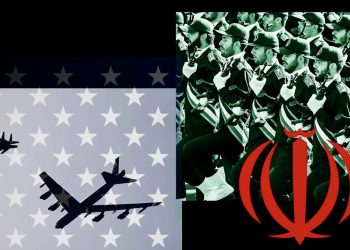
At the same time, Israel — despite the extension of the ceasefire — is increasing military pressure on Lebanon and holding closed-door consultations with the United States about the possible resumption of full-scale military operations against Iran.
The U.S. Position
Progress Despite Rejection
Vice President J.D. Vance stated that Washington is “making progress” in negotiations with Iran, emphasizing that the main “red line” — preventing Iran from obtaining nuclear weapons — remains unchanged.
According to him, the diplomatic track remains President Donald Trump’s preferred path.
Ultimatum and a Signal of Compromise
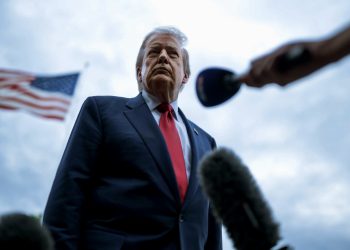
Trump himself has taken a tougher tone. He described Iran’s latest proposal as “garbage” and threatened to return to a military scenario if no agreement is reached.
At the same time, the U.S. president softened Washington’s position on the nuclear issue. Instead of demanding a complete and permanent halt to uranium enrichment, the United States may now accept a 20-year verifiable moratorium.
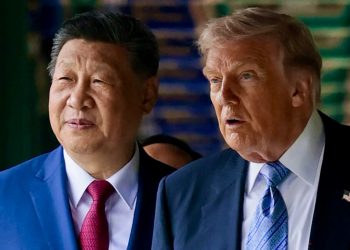
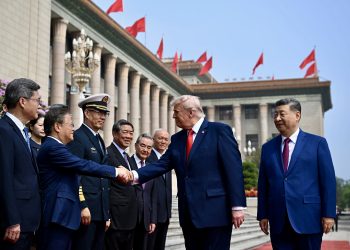
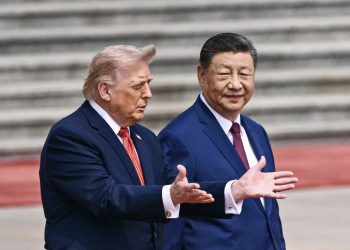
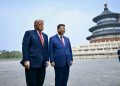
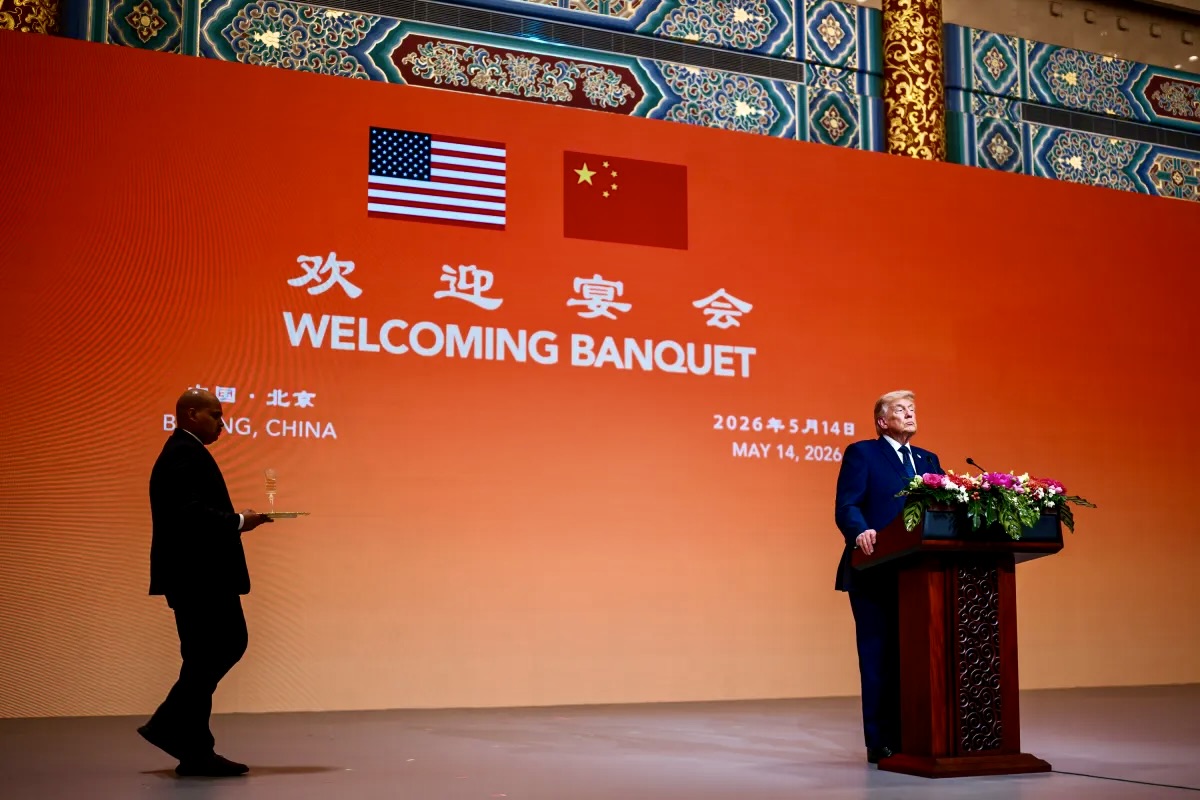
“Twenty years is enough, but the guarantees must be real,” Trump said, linking the concession to the results of his talks with Chinese President Xi Jinping, during which both sides agreed that Iran must not possess nuclear weapons and that the Strait of Hormuz must remain open.
Washington’s Demands
The United States insists on the immediate removal from Iran of approximately 440 kilograms of highly enriched uranium.
Iran’s Position
Distrust as the Main Obstacle
Iranian Foreign Minister Abbas Araghchi, speaking on the sidelines of the BRICS foreign ministers’ meeting in New Delhi, said the negotiations are suffering from a “lack of trust” toward the United States.
“We doubt their seriousness, but we are ready to continue when we feel they are prepared for a fair and balanced agreement,” he stressed.
Iran “in the Driver’s Seat”
According to media reports, Tehran — feeling confident after 38 days of bombings and blockade — rejected the American demand for preliminary concessions on its nuclear program.
Iran’s response, delivered through Pakistan, proposes postponing discussion of the nuclear file until a permanent ceasefire is achieved and the blockade of the Strait of Hormuz is lifted.
Tehran’s Conditions
Iran is demanding an immediate end to the war on all fronts, including Lebanon, the lifting of sanctions, the unfreezing of assets, and recognition of its sovereignty over the Strait of Hormuz.
Strait of Hormuz Blockade and the Energy Crisis
The situation around the strategically vital waterway remains critical.
Iran effectively controls the strait, allowing passage to all ships except those heading to ports considered hostile. Negotiations over reopening the route have stalled because Tehran is linking the issue to sanctions relief and the end of the blockade.
The Lebanese Front: Ceasefire Under Fire
Talks in Washington
Indirect negotiations between Israel and Lebanon took place in Washington.
After two days of consultations, the sides agreed to extend the ceasefire regime for another 45 days. The previous truce had been due to expire on May 17.
The parties also agreed to hold additional rounds of talks aimed at reaching a permanent political settlement.
Violations of the Ceasefire
Despite diplomatic progress and the extension of the truce, fighting on the ground has continued.
On May 15, Israeli aircraft struck Hezbollah targets near Tyre in southern Lebanon, injuring at least 37 people, including women, children, and hospital staff.
Immediately after the ceasefire extension was announced, another strike hit the Islamic Health Committee center in Hanoun, an organization linked to Hezbollah. Six people were killed, including three paramedics.
Casualties and Military Operations
The Israel Defense Forces (IDF) said they had killed more than 220 Hezbollah fighters over the past week. Israeli losses since the beginning of the ground operation stand at 19 soldiers.
Hezbollah, in turn, reported dozens of attacks on Israeli military positions, including drone and missile strikes.
The United Nations called the continuing violence “unacceptable” and expressed hope that negotiations would help stop the bloodshed.
Lebanese Prime Minister Nawaf Salam stated that the country is exhausted by the “reckless adventures” imposed on it from outside.
Israel and the Iranian Front
While the Trump administration balances between war and diplomacy, Israeli leaders appear to favor escalation.
Preparing for Another War
According to Israeli media reports, senior Israeli military officials and representatives of CENTCOM held consultations last week about possible scenarios for renewed military operations against Iran.
Tel Aviv reportedly believes the war ended “earlier than it should have” and supports an immediate resumption of the conflict.
Options under discussion reportedly include limited U.S. strikes on Iranian energy infrastructure.
The Technical Role of the United States
Analysts note that at the current stage of the conflict, the initiative is increasingly shifting toward Israel, which is conducting operations more aggressively, while the U.S. role is largely limited to technical support and intelligence assistance.
The diplomatic process between Washington and Tehran increasingly resembles movement in circles. The United States speaks of progress while simultaneously threatening war and adjusting its demands.
Iran, meanwhile, continues to use delaying tactics and negotiate from a position of strength.
Israel, openly skeptical of diplomacy, is pushing Washington toward tougher action while continuing military escalation in Lebanon and preparing for new operations against Iran.
The blockade of the Strait of Hormuz remains in place, while oil prices continue rising and putting pressure on the global economy.
The fragile ceasefire on all fronts remains the only factor preventing the region from sliding into an even larger catastrophe.