ANKARA (Realist English). Just hours before the opening of the NATO summit in the Turkish capital, CNN revealed details of Donald Trump’s unprecedented pressure on European allies.
In the spring of 2026, enraged by NATO members’ refusal to support the US military operation against Iran, the US president proposed cutting the number of American troops in Europe by a third.
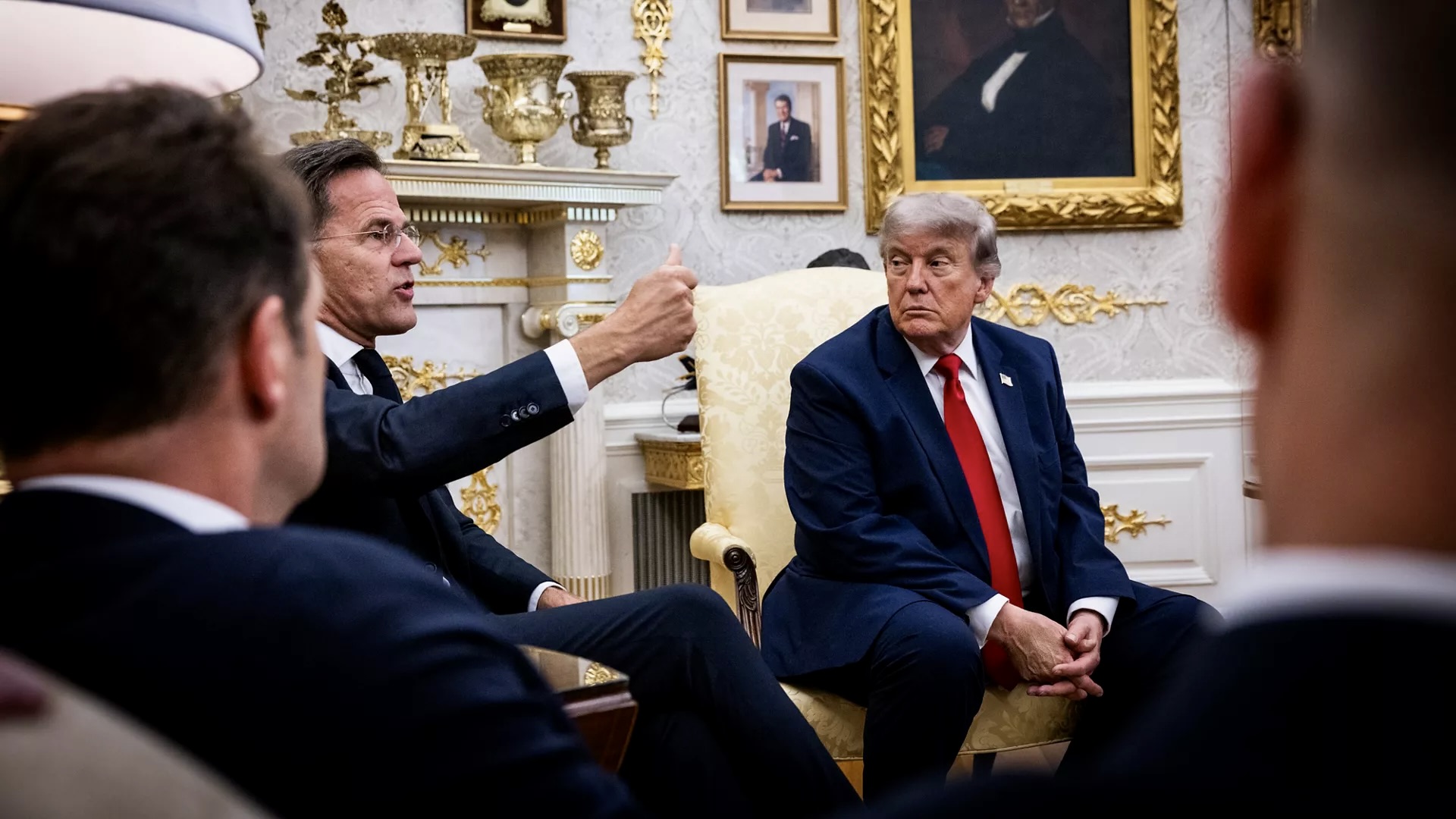
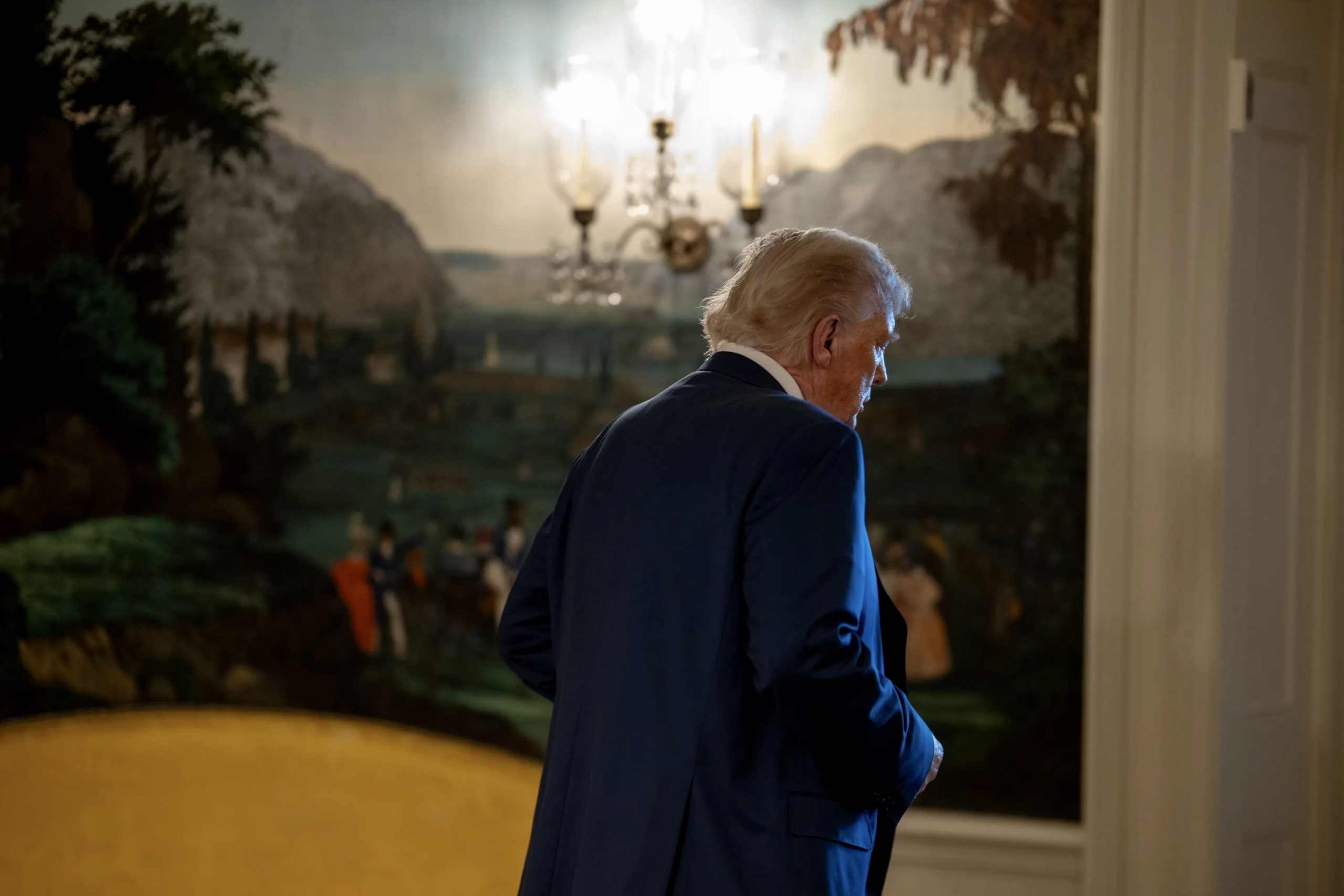
“What if I cut US forces in Europe by a third? Would that send the right signal to the so-called allies?” Trump asked at a White House meeting, according to CNN, citing two informed sources.
From Threat to Action: Cancelled Rotations and Strategy Review
Trump’s idea did not remain mere rhetoric. Defence Secretary Pete Hegseth, according to sources, had planned to announce a radical reduction in the contingent, corresponding to “the third that Trump mentioned,” as early as the June NATO meeting. However, after consultations with other senior officials, the plan changed.
Instead, the Pentagon took a series of practical measures that shocked allies:
- Cancellation of two troop rotations in Europe.
- Withdrawal of part of the contingent from the continent.
- Announcement of a six-month review of the US military presence in Europe.
This review, according to Hegseth, will become “an exam that some countries will fail and others will pass with flying colours.”
Reasons for Anger: The Iran War and ‘Free Riders’
Trump’s anger, according to CNN, was fuelled by the feeling that “America’s oldest allies did not come to his aid when he started the war in Iran.” Allies, for their part, argue that Washington did not consult them before launching the conflict with Iran.
Trump repeatedly expressed his frustration publicly. Days before the summit, he wrote on social media: “It is absurd for the US to continue down this one-way street when the relationship is not mutual. They were not there for us!!!” He separately called Spain a “terrible show” and expressed disappointment with Italy, the UK, Germany and France.
As media outlets note, Trump “was never particularly enthusiastic about the US commitment to defend Europe.” He consistently questions the value of NATO for the United States, which, in his view, “funds Europe’s security.”
The Ankara Summit: An Atmosphere of Fear and Uncertainty
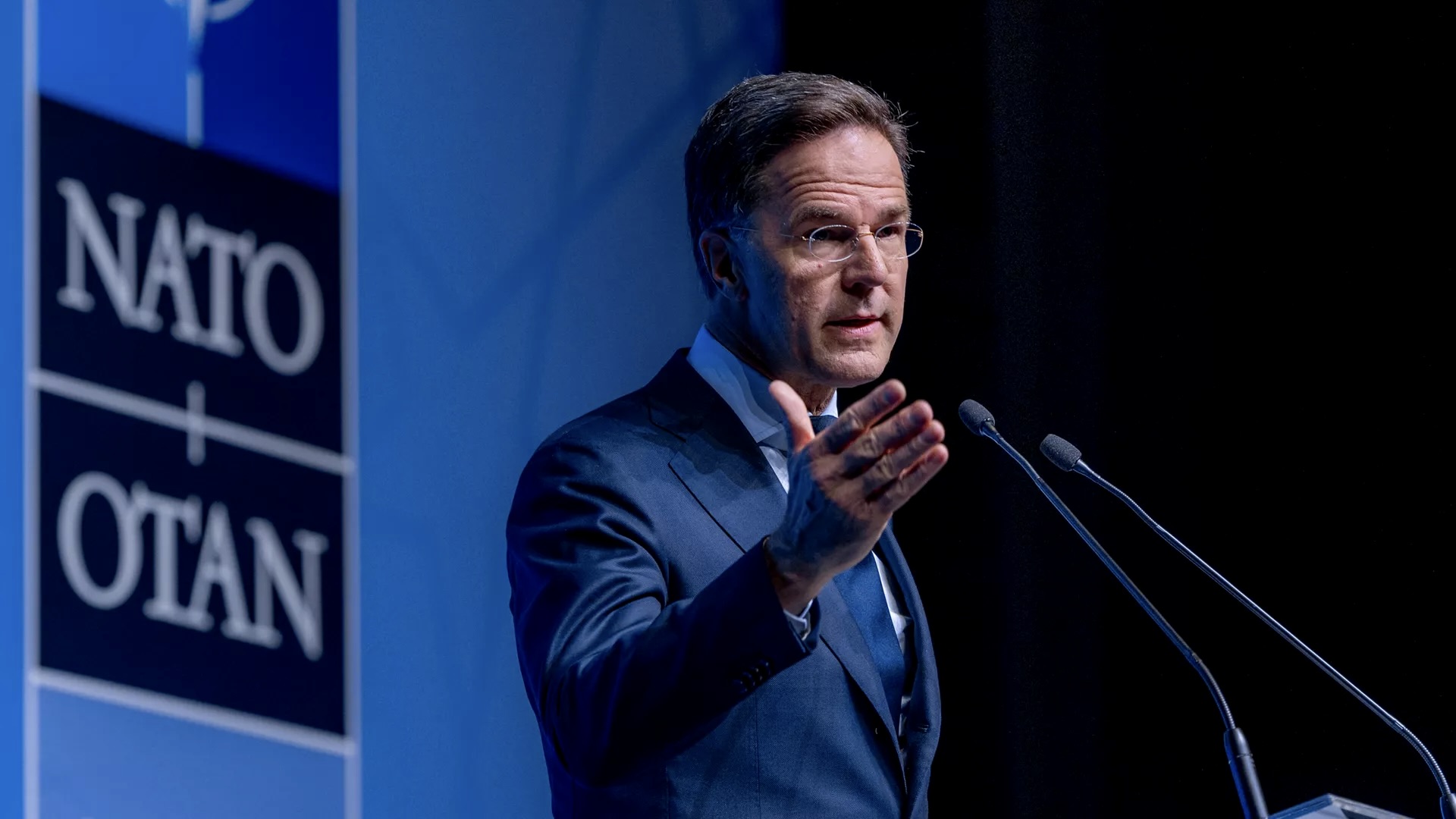
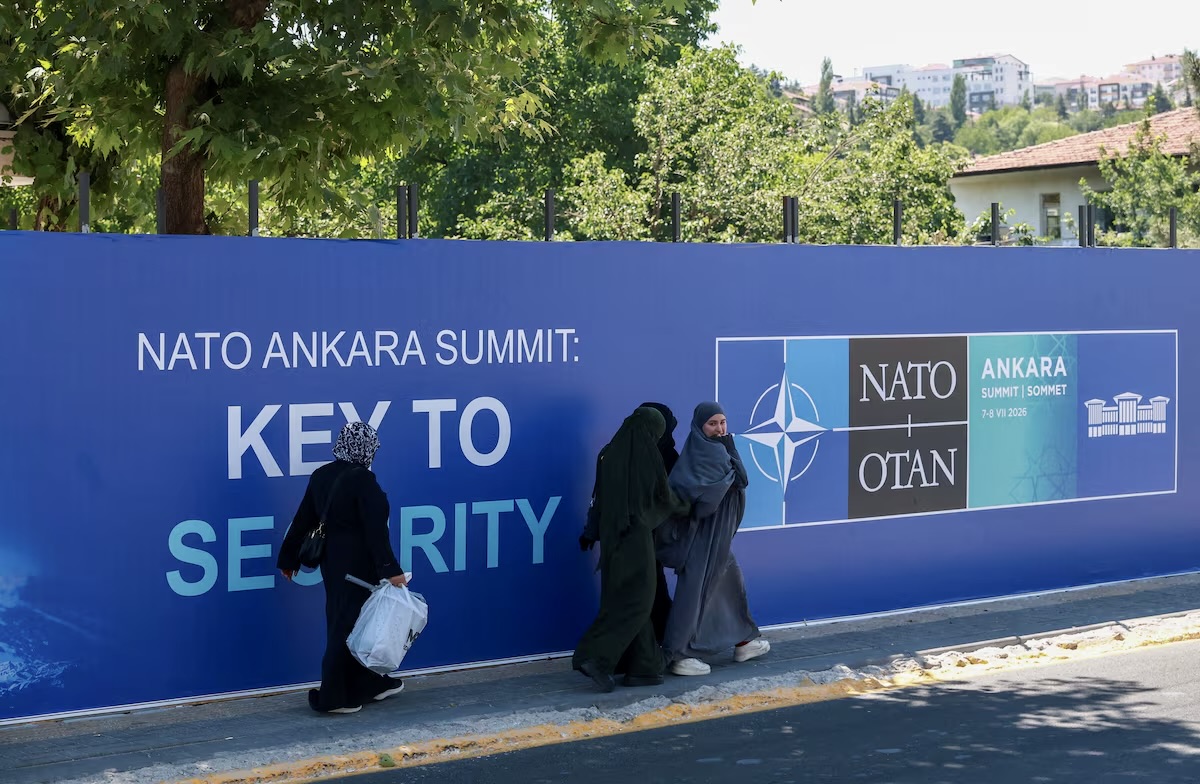
Tensions reached their peak on the eve of the NATO summit in Ankara on July 7–8. Trump, according to sources, reluctantly agreed to participate in the summit, telling NATO Secretary-General Mark Rutte that he was coming only because the meeting was taking place in Turkey’s capital, whose president, Recep Tayyip Erdoğan, he considers a friend. According to a source, Trump was made to understand that refusing to attend would have been disrespectful to Erdoğan.
European leaders hope to leave the summit “without a major explosion,” preparing new defence commitments to soften Trump’s anger. However, many officials admit in private that they are not confident of a successful outcome due to the “president’s sour mood.”
‘Report Card’ and Pressure on Spending
The Trump administration views the Ankara summit as a “report card” for allies. US Ambassador to NATO Matthew Whitaker stated that Washington expects all alliance members to “demonstrate meaningful upward trajectories in both quantitative and qualitative terms” in defence spending. Allies are expected to present roadmaps for achieving defence spending of 5% of GDP by 2035.
At the same time, analysts note that the summit reflects not so much an attempt to dismantle NATO as a strategic transformation of the alliance, which some experts are already calling “NATO 3.0.” The US is redistributing its assets, demanding that Europe take on greater responsibility for its own security.
Trump’s proposal to cut the US contingent in Europe by a third has become not just a diplomatic démarche, but part of a systematic pressure campaign on NATO allies. The cancellation of troop rotations, the strategy review and ultimatums on spending have created an atmosphere of the deepest crisis in the alliance since the Cold War.
The Ankara summit, which Trump has called an “exam” for the allies, will show whether Europe is ready to pay its bills or whether the transatlantic partnership faces a fundamental overhaul.