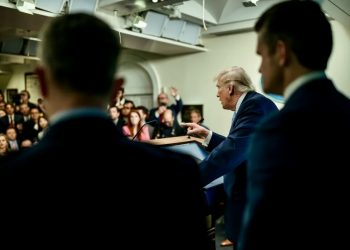


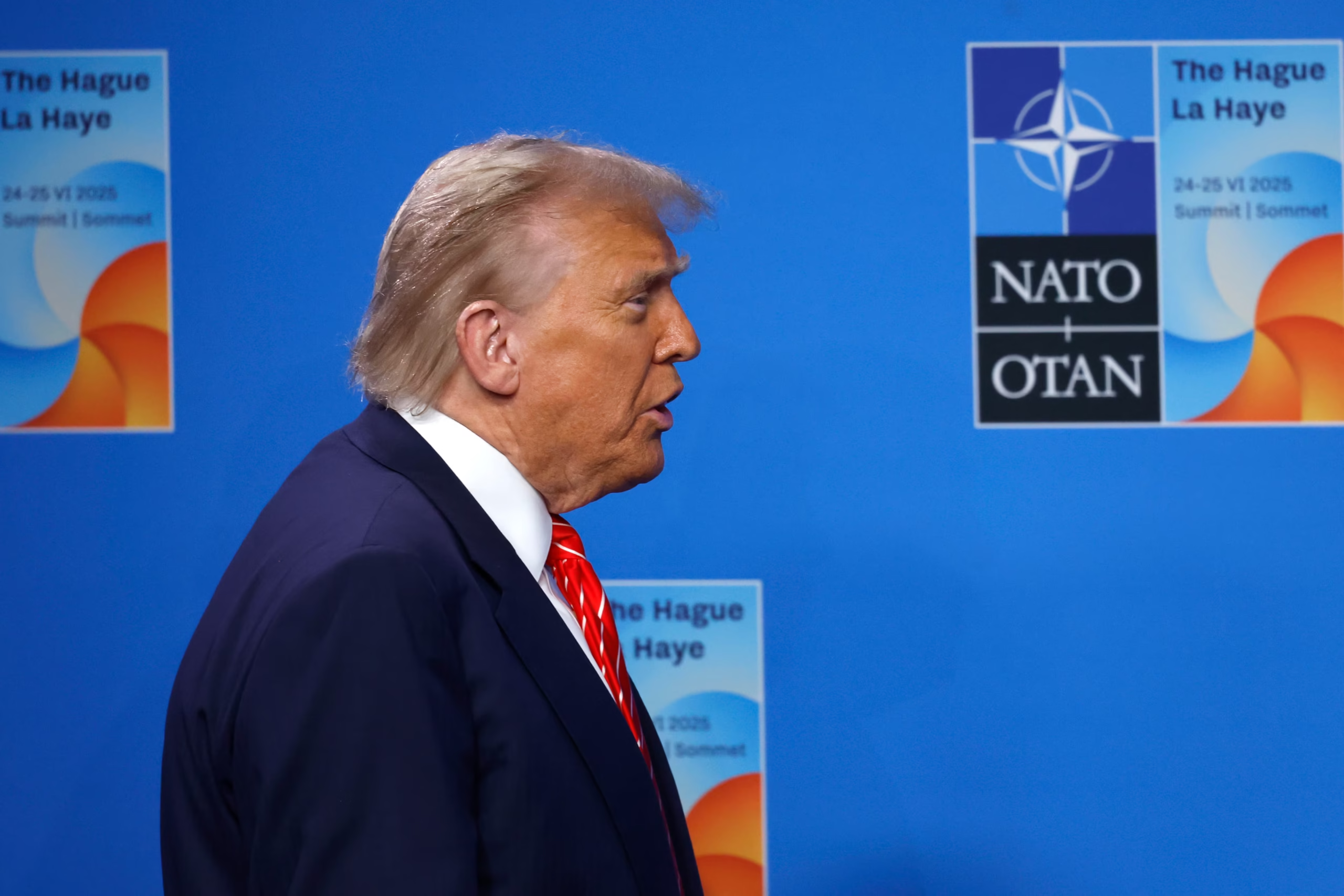
WASHINGTON (Realist English). U.S. President Donald Trump warned that NATO could face a “very bad future” if allies fail to support efforts to secure the Strait of Hormuz, even as he later suggested U.S. forces no longer require foreign military assistance in the ongoing war with Iran.
The remarks came as the conflict entered its 18th day, marked by continued strikes and heightened regional tensions.
UAE briefly closes airspace
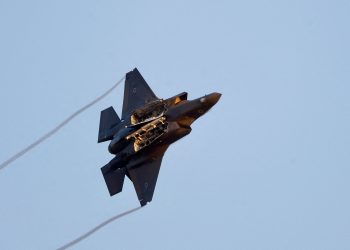
The day began with authorities in the United Arab Emirates temporarily closing national airspace following a wave of Iranian attacks targeting the emirates of Dubai and Fujairah.
Air traffic was later restored after the immediate threat subsided.
Israeli strikes target Iranian leadership
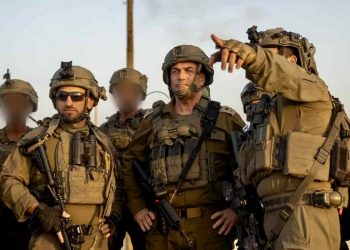
Israel said it carried out overnight strikes that killed two senior Iranian security figures, in what officials described as a significant blow to Tehran’s leadership.
Those reportedly killed include Ali Larijani, secretary of Iran’s Supreme National Security Council, and General Gholam Reza Soleimani, head of the Islamic Revolutionary Guard Corps’ Basij force.
Iran confirmed the death of Soleimani later in the day but has not publicly commented on Larijani.
Mixed messaging on allied support
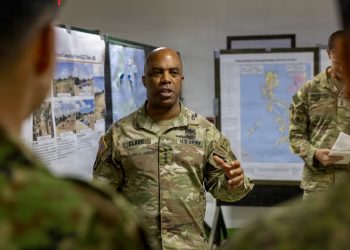
Trump has been pressing allies to join a multinational effort to secure shipping through the Strait of Hormuz, a key route for global oil supplies.
However, the initiative has received limited support, prompting frustration from Washington.
Earlier, Trump warned that NATO’s future could be at risk if member states do not respond to the call for a naval coalition.
But in a later post on his Truth Social platform, the U.S. president shifted tone, saying American forces no longer require assistance.
“Because of the fact that we have had such military success, we no longer need or desire NATO countries’ assistance — we never did,” Trump wrote.
He added that the United States also does not need support from partners such as Japan, Australia or South Korea.
Ongoing uncertainty
The conflicting messages underscore uncertainty over the direction of U.S. strategy as the war continues.
Efforts to secure the Strait of Hormuz — a vital artery for global energy trade — remain unresolved, while military operations across the region continue to escalate.