LONDON (Realist English). Britain and Norway have announced a new programme of joint naval patrols to safeguard undersea cables and other critical infrastructure from suspected Russian sabotage, the UK government said Thursday, following defence talks between Prime Minister Keir Starmer and Norwegian Prime Minister Jonas Gahr Støre.
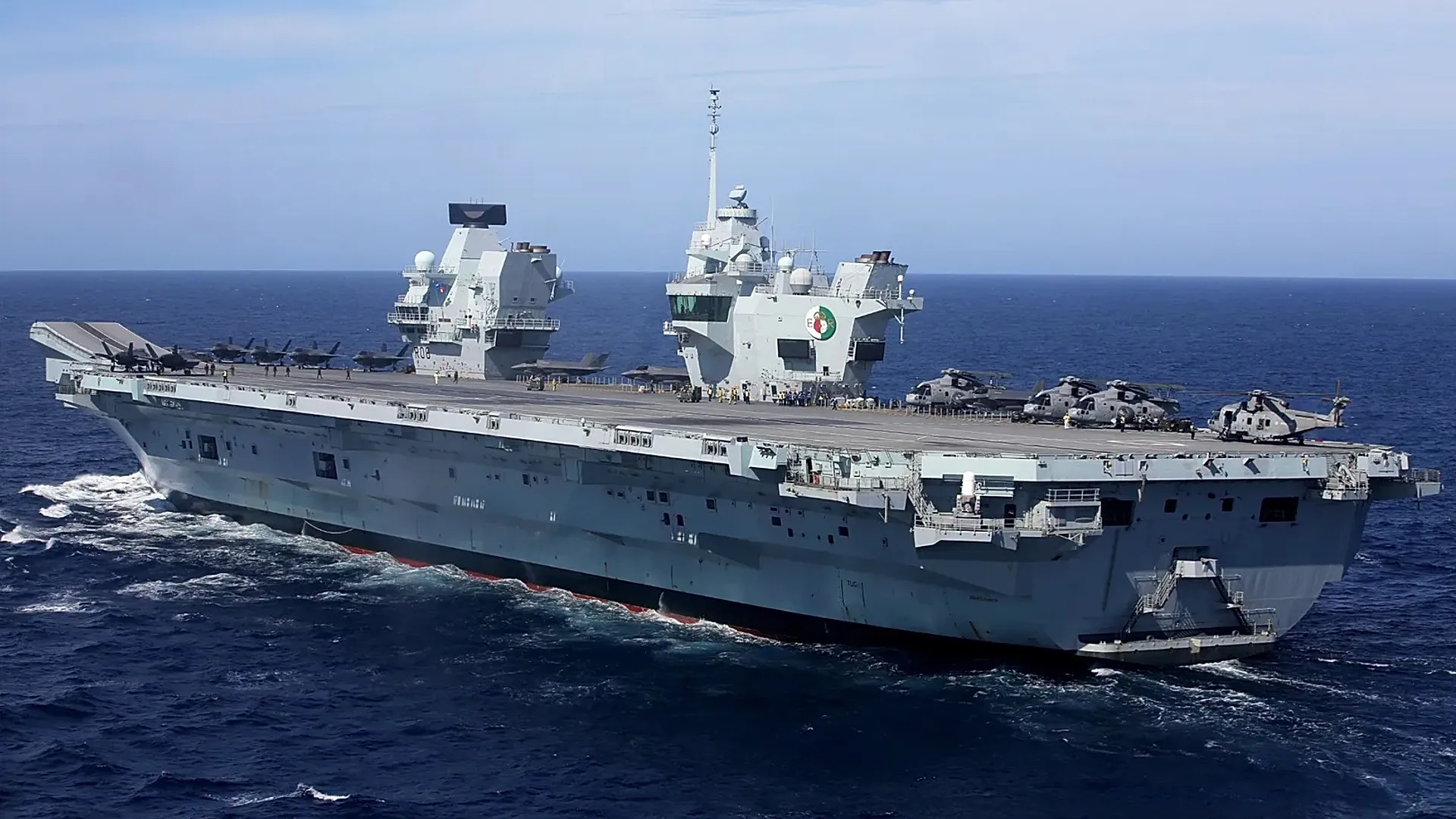
Under the agreement, a combined force of at least 13 warships will conduct coordinated operations across the North Atlantic to “hunt Russian submarines and protect critical infrastructure,” London said. The initiative will draw on five new British-built frigates Norway agreed to purchase in August under a £10 billion (€11 billion) deal, as well as eight Royal Navy vessels.
Norwegian Defence Minister Tore O. Sandvik, who signed the pact with UK Defence Secretary John Healey, said the collaboration would allow both nations to “defend themselves together.”
As part of the arrangement — described as “historic” by Starmer — the UK will also integrate Norwegian-made missiles into its surface fleet.
“In this new era of threat, with increasing Russian activity in the North Atlantic, our strength comes from hard power and strong alliances,” Healey said.
Starmer and Støre were due to continue discussions at 10 Downing Street before travelling to RAF Lossiemouth in Scotland to meet British and Norwegian crews tasked with monitoring Russian naval movements.
Surge in cable attacks alarms NATO
The announcement comes amid a marked rise in Russian activity near UK waters — up 30% over the past two years, according to British officials — and growing concern across NATO about repeated attacks on undersea cables.
NATO’s top expert on cyber and hybrid threats warned last year that sabotage targeting subsea communications lines is now “the most active threat” to Western infrastructure.
James Appathurai, Acting Assistant Secretary General for Innovation, Hybrid and Cyber, said Russia is conducting systematic undersea operations through what it calls the Russian Undersea Research Program — “a euphemism,” he noted, for a well-funded paramilitary capability that deploys research vessels, mini-submarines, remotely operated vehicles, divers and explosives.
In early November, two data cables between Sweden and Lithuania and another between Germany and Finland were severed, immediately raising the alarm among NATO members over possible sabotage.
“The Russians are mapping out all of our cables and energy pipelines,” Appathurai told Euronews. “This is part of a significant growth in cyber, hybrid and other interference across Europe.”
As tensions in the High North rise, the UK–Norway patrol mission marks one of the most coordinated efforts yet by NATO allies to secure the undersea infrastructure on which modern economies — and military operations — depend.