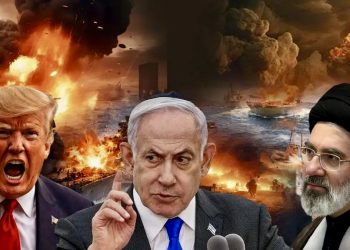


TEHRAN (Realist English). Relations between the United States and Iran remain extremely tense amid ongoing clashes in the Strait of Hormuz, new sanctions, and expectations of Tehran’s response to the American peace proposal. The ceasefire agreed on April 8 is hanging by a thread: both sides are exchanging strikes, accusing each other of violating it.
Clashes at Sea
On May 8, a US F/A-18 Super Hornet fighter operating from the aircraft carrier USS George H.W. Bush struck two Iranian tankers in the Gulf of Oman, disabling them. According to US Central Command, the purpose of the attack was to prevent the vessels from entering Iranian ports. In recent days, US forces have disabled three Iranian tankers attempting to break the blockade.
In response, Iran retaliated. Iranian military officials stated that they “responded to the violation of the ceasefire regime and American terrorism with strikes,” after which the clashes ceased. According to US data, the exchange of fire was limited, and by Saturday morning, no active hostilities at sea were reported.
The situation in the Strait of Hormuz remains critical. US intelligence estimates that Iran can withstand the naval blockade for about another four months before feeling serious economic pressure.
Diplomatic Front: Trump Awaits Response
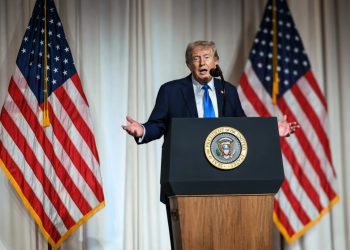
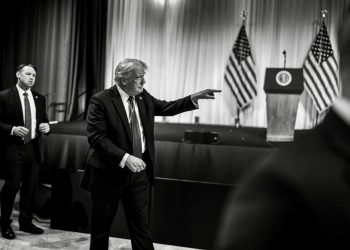
On the diplomatic track, US President Donald Trump is awaiting Tehran’s response to the proposal for a permanent peaceful settlement. “I’m supposed to get a letter, presumably tonight, so we’ll see what comes of it. We’ll see if they can go for it,” Trump told reporters outside the White House.
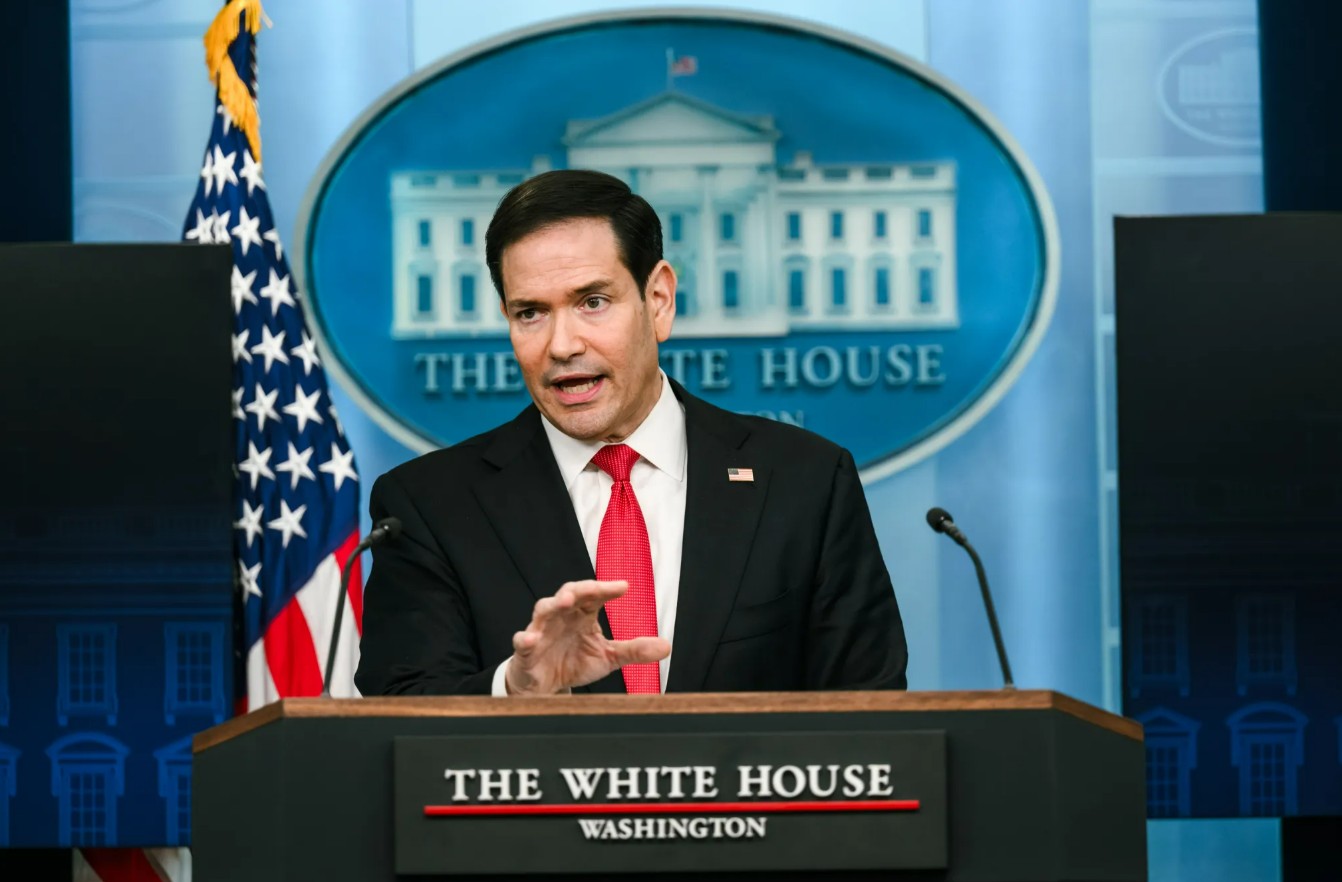
Secretary of State Marco Rubio, speaking in Rome, confirmed that Washington expects a response from Iran on Friday, expressing hope that it would be a “serious proposal.” Meanwhile, Iranian Foreign Ministry spokesman Esmail Baghai stated that the US proposal remains “under consideration” and Tehran will respond “in its own time,” rejecting pressure due to artificial deadlines.
“Deadlines set by American politicians mean nothing. We are doing our work and are not worried about deadlines or ultimatums,” Baghai was quoted as saying by the Iranian agency ISNA.
Details of the Negotiation Process
According to leaked press reports, Washington and Tehran are discussing a 14-point memorandum that would involve a pause in Iran’s nuclear program in exchange for sanctions relief and the unfreezing of Iranian assets. Negotiations are being conducted through Pakistani intermediaries.
However, experts express skepticism about the possibility of a breakthrough. Analysts from S-RM and Henley Business School note that the 30-day period allotted for detailed negotiations is too short for such a complex agreement.
Moreover, Iran could gain more benefits from the deal: asset freezes lifted, the oil embargo removed, and exports restored. As Professor Rajneesh Narula noted, “sometimes not losing is already a victory,” and Iran has already proven its ability to withstand direct confrontation with the US without regime change.
New Sanctions Against Iran
Alongside diplomatic efforts, the US continues its “economic pressure campaign.” On May 8, the US Treasury imposed sanctions on 10 individuals and entities based in China, Hong Kong, Dubai, and Belarus for assisting Iran in procuring weapons, including ballistic missiles and Shahed drones.
“As long as the surviving leaders of the IRGC are locked up like rats on a sinking ship, the Treasury Department remains steadfast in our ‘Economic Fury’ campaign,” said Treasury Secretary Scott Bessent.
Threat of Resuming Naval Mission
As negotiations drag on, Trump threatened to resume the naval operation “Project Freedom” to escort tankers through the Strait of Hormuz. “If things don’t go according to plan, we might return to ‘Project Freedom,’ but in that case, it would be ‘Project Freedom Plus’ with additional elements,” the president warned.
Israel’s Foreign Policy on the Iranian Front
Israel’s actions remain a significant factor in the escalation. While the US and Iran negotiate, Israeli forces continue their operation against Hezbollah in Lebanon. On May 8, Israeli airstrikes on southern Lebanon killed 11 people, including two children and three women.
The Israel Defense Forces issued an evacuation order for residents of nine villages in southern Lebanon, accusing Hezbollah of violating the ceasefire regime. “Due to the terrorist organization Hezbollah’s violation of the ceasefire agreement, the IDF is forced to act decisively against it,” an army spokesman stated.
Hezbollah retaliated by firing rockets and drones at Israeli bases. Notably, Israel and Lebanon were scheduled to hold direct negotiations in Washington next week — the first such round in the history of relations between the two countries.
Analysts note that Israel continues to adhere to a hardline stance toward Iran and its allies, despite US diplomatic efforts. Joe Kent, former director of the US National Counterterrorism Center, who resigned in protest against the war, stated that the US was “dragged into the conflict by Israel and its powerful lobby.”
Statistics and Consequences
- An oil spill off the coast of Iran’s Kharg Island has spread over more than 20 square miles (approximately 52 sq. km), causing significant environmental damage.
- More than 70 tankers carrying Iranian oil are unable to enter or leave ports due to the US blockade.
- Gasoline prices in the US have risen by more than 50% since the start of the war.
Forecast
The coming days will be decisive. If Tehran does not give a positive response to Washington’s proposal, a resumption of full-scale hostilities can be expected, including the implementation of “Project Freedom Plus.” However, even if an agreement is reached, experts doubt its long-term sustainability given the depth of mutual distrust and ongoing hostilities on the Lebanese front.