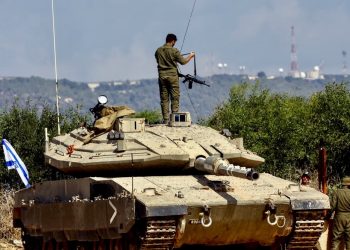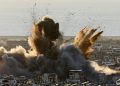


TEHRAN (Realist English). The outgoing week saw the complete breakdown of US-Iranian peace talks mediated by Pakistan, alongside a parallel escalation on the Lebanese front — despite an announced ceasefire extension, Israeli Prime Minister Benjamin Netanyahu again ordered strikes against Hezbollah forces in southern Lebanon.
US-Iran talks: from ‘maximalist demands’ to cancellation
The second round of talks between US and Iranian representatives, scheduled for 25–27 April in the Pakistani capital, was effectively scuttled before it could begin. Tehran flatly denied any plans for direct contacts with the US delegation.
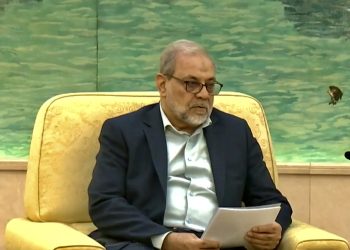
“No meeting is planned between Iran and the United States. Iran’s observations will be conveyed to Pakistan,” wrote Iranian Foreign Ministry spokesman Esmaeil Baghaei on X.
Meanwhile, an Iranian diplomatic source told Reuters that Tehran would not accept Trump’s “maximalist demands.”
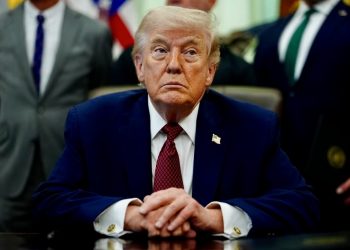
US President Donald Trump said on his Truth Social platform that he had personally cancelled the trip of his envoys Steve Witkoff and son‑in‑law Jared Kushner to Islamabad.
“I just cancelled the trip of my representatives. Too much time is spent on travel, too much work! Besides, there is huge internal strife and confusion within their [Iranian] leadership. No one knows who is in charge, including themselves. Moreover, we hold all the cards, and they have none!” the US leader wrote.
According to sources, the key obstacle to any progress remains Tehran’s nuclear programme. Washington insists on a 20‑year suspension of Iran’s nuclear activities, while Iran agrees only to a five‑year pause.
The last direct talks between the sides took place on 11–12 April in Islamabad, led by US Vice President JD Vance and Iranian Parliament Speaker Mohammad‑Baqer Ghalibaf, and ended in failure. Washington effectively sought Tehran’s capitulation — from fully relinquishing control of the Strait of Hormuz to abandoning uranium enrichment.
Russia and Pakistan: two mediators
Amid the stalled negotiations, Moscow continues to maintain close contact with all parties. On 24 April, Russian Foreign Minister Sergey Lavrov held a phone call with his Pakistani counterpart Mohammad Ishaq Dar. Lavrov praised Pakistan’s mediation efforts and reaffirmed Moscow’s readiness to facilitate de‑escalation.
Pakistan itself continued intensive consultations. Iranian Foreign Minister Abbas Araghchi, after arriving in Islamabad, met with Pakistani army chief Field Marshal Asim Munir, who — with Trump’s blessing — has taken on the role of key mediator between Washington and Tehran. According to Al Jazeera, Pakistani diplomats also reached out to Moscow during their consultations with the Iranian side.
Lebanon: truce extended but Israel strikes
On 23 April, President Trump announced that the Israel‑Lebanon ceasefire had been extended by another three weeks — at least until 14 May. The announcement followed a meeting of senior officials from both countries in Washington, also attended by Vice President Vance and Secretary of State Marco Rubio.
However, the very next day the border situation again sharply deteriorated.
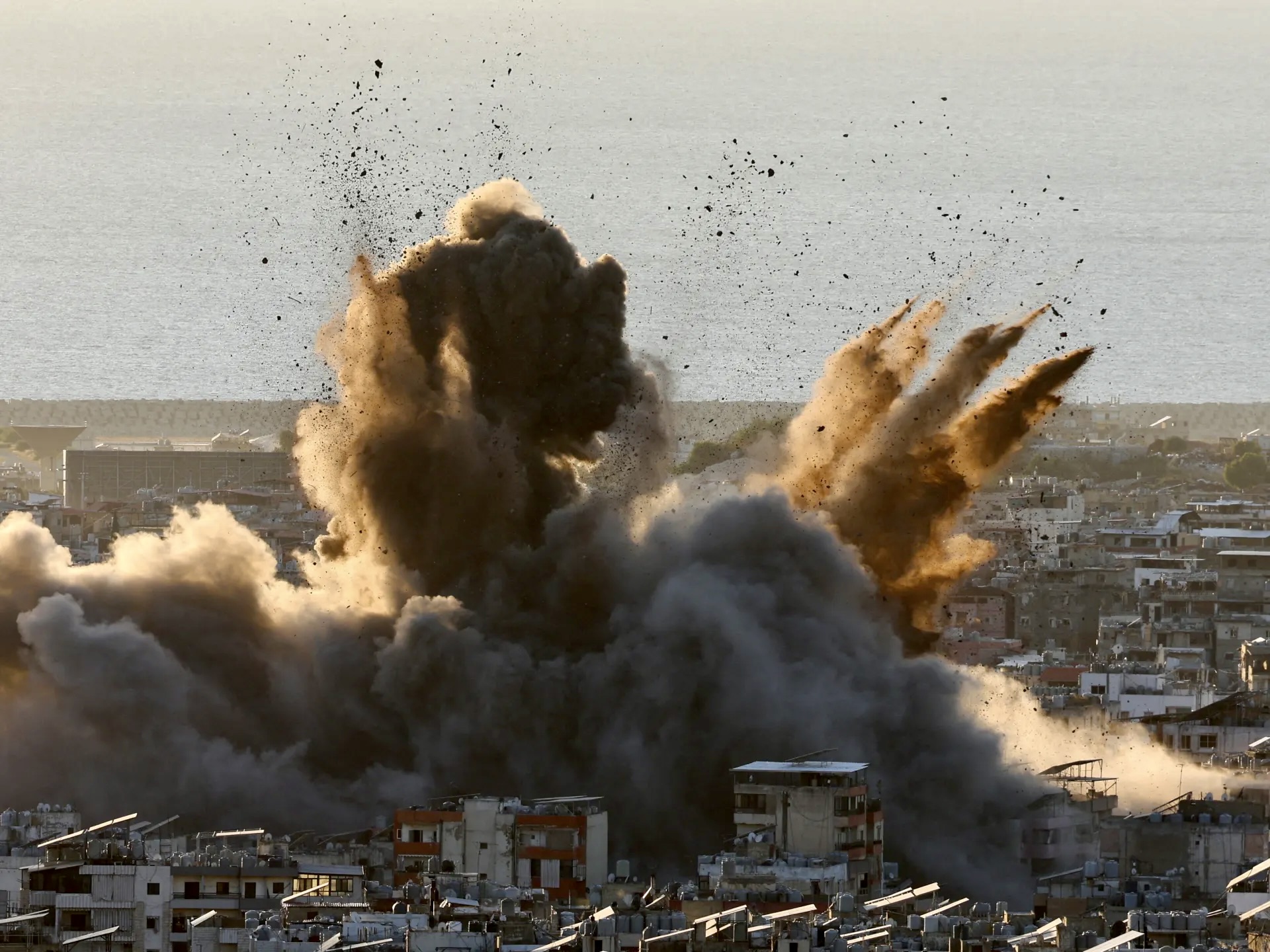
Prime Minister Netanyahu accused Hezbollah of trying to derail the peace process and ordered the Israel Defense Forces to deliver “powerful strikes against movement targets in Lebanon.”
“We have begun a process aimed at achieving historic peace between Israel and Lebanon, and it seems obvious to us that Hezbollah is trying to sabotage it,” Netanyahu said.
According to the IDF, the strikes were in response to rocket and drone attacks on Israeli territory. Israeli military reported killing more than 15 fighters in southern Lebanon, including three travelling in a pickup truck with weapons. Lebanon’s state-run National News Agency, meanwhile, reported that at least four people were killed in Israeli strikes on 25 April.
International reaction and expert opinions
Russian and international analysts agree that the situation in the Middle East continues to deteriorate, and the negotiation process is likely at an impasse.
The Israeli government, according to experts, insists on the disarmament of Hezbollah and the creation of a 10‑kilometre buffer zone in southern Lebanon — which Israeli forces have already begun establishing de facto. In parallel, the Lebanese army is deploying its own units in the south to take over positions vacated by the IDF.
Nikolay Kozhanov, associate professor at the Gulf Studies Center of Qatar University, said that US involvement in the conflict was almost inevitable and the situation will drag on. In his view, the talks in Pakistan are not leading to a resolution but have become part of the confrontation itself.
“For Israel and the United States, the task is to weaken Iran as a regional player as much as possible, but they are not able to achieve this completely,” the expert stressed.
Former Russian Foreign Ministry official Boris Bondarev noted in an interview that both sides approached the negotiations with inflated demands, and that Iran is compensating for its military weakness on the diplomatic track.
Political analyst Vadim Mingalev commented that the declared progress in the talks looks more like a tactical maneuver than a real step towards de‑escalation. In his opinion, Washington is completing the formation of a naval force off Iran’s coast, turning the blockade of the Strait of Hormuz into a long‑term tool to strangle Tehran.
Week in review
The US‑Iran negotiation process has reached an impasse, with Islamabad left as merely a venue for exchanging mutual accusations. Meanwhile, the Lebanese ceasefire, extended with Washington’s mediation, has proven extremely fragile and failed to halt new strikes. Analysts conclude that the Middle East crisis continues to deepen, turning diplomatic efforts into an element of protracted military confrontation.