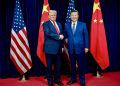


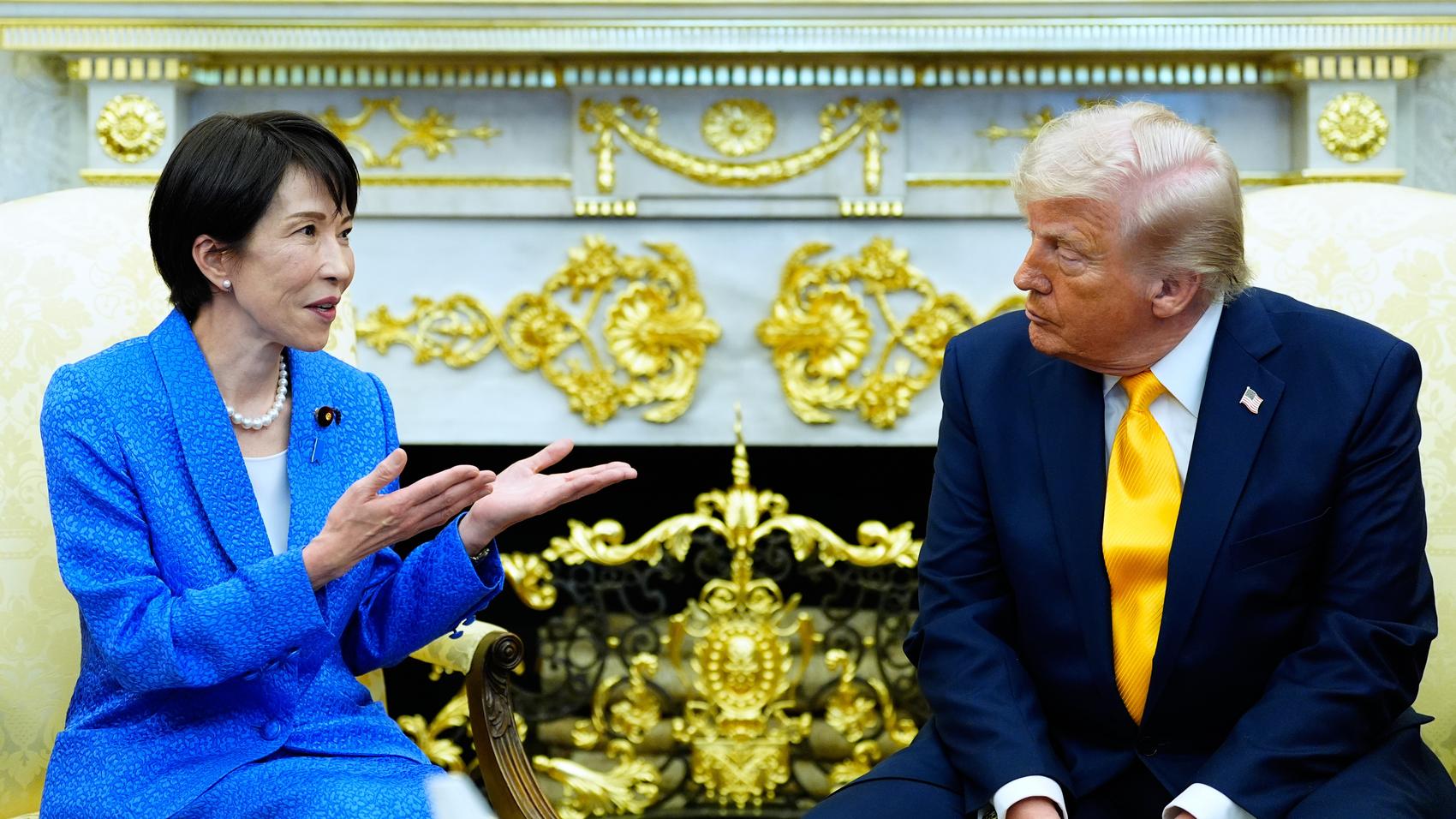
WASHINGTON (Realist English). Japanese Prime Minister Sanae Takaichi sought to reaffirm Tokyo’s alliance with US President Donald Trump during talks at the White House, after Trump criticised Japan for not supporting US-led efforts to secure the Strait of Hormuz, according to official statements and remarks to reporters.
The meeting comes amid escalating tensions in the Middle East, where the US and Israel are engaged in military operations involving Iran, and Washington is urging allies to help protect key energy shipping routes.
Key developments
Trump signalled that Japan’s role in the Iran conflict would be a central topic of the talks, stating that Tokyo needed to “step up” given its reliance on energy supplies passing through the Strait of Hormuz.
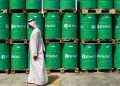
“Much of the oil Japan relies on passes through that route,” Trump said, adding that the alliance implied greater burden-sharing.
Takaichi, while avoiding commitments to direct military involvement, reaffirmed Japan’s opposition to Iran’s nuclear programme and emphasised the importance of stability in the Middle East.
She also appealed to Trump’s diplomatic positioning, stating that he was uniquely placed to “achieve peace across the world,” according to translated remarks.
Diplomatic tone and underlying tensions
Despite public displays of warmth — including Trump describing Takaichi as a “popular powerful woman” — the issue of Japan’s limited support for US operations remained unresolved.
Trump has repeatedly criticised allies, including Japan, for declining to participate in protecting the Strait of Hormuz, a key chokepoint for global oil and gas flows.
Japanese officials have denied receiving a formal US request to deploy naval forces in support of the operation.
Strategic constraints
Japan’s ability to engage militarily is limited by its post-World War II constitution, which restricts the use of force to self-defence. Any participation in collective military operations would require significant political approval domestically.
Analysts say Japan could contribute in limited ways, such as mine-sweeping or maintaining its existing anti-piracy presence in the region, but full participation in US-led combat operations would represent a major policy shift.
Broader agenda
Beyond Iran, the two leaders discussed economic and energy cooperation. A potential $40 billion deal involving US-based GE Vernova and Japan’s Hitachi to build advanced nuclear reactors in the United States is expected to be announced.
The agreement aims to expand US power generation capacity and stabilise electricity prices through small modular reactor technology.
Context
Japan remains one of the United States’ closest allies in Asia, but its strategic priorities are increasingly focused on the Indo-Pacific, particularly concerns over China and Taiwan.
At the same time, US military resources have been partially redirected toward the Middle East, raising concerns in Tokyo about reduced deterrence in East Asia.
China has intensified military activity around Taiwan, which Japan views as a key security concern.