TEHRAN (Realist English). US military forces carried out airstrikes against Iranian targets near the Strait of Hormuz in response to a drone attack on a civilian vessel sailing under the flag of Singapore. The incident marked the first serious test of the ceasefire agreement reached between the US and Iran on June 17.
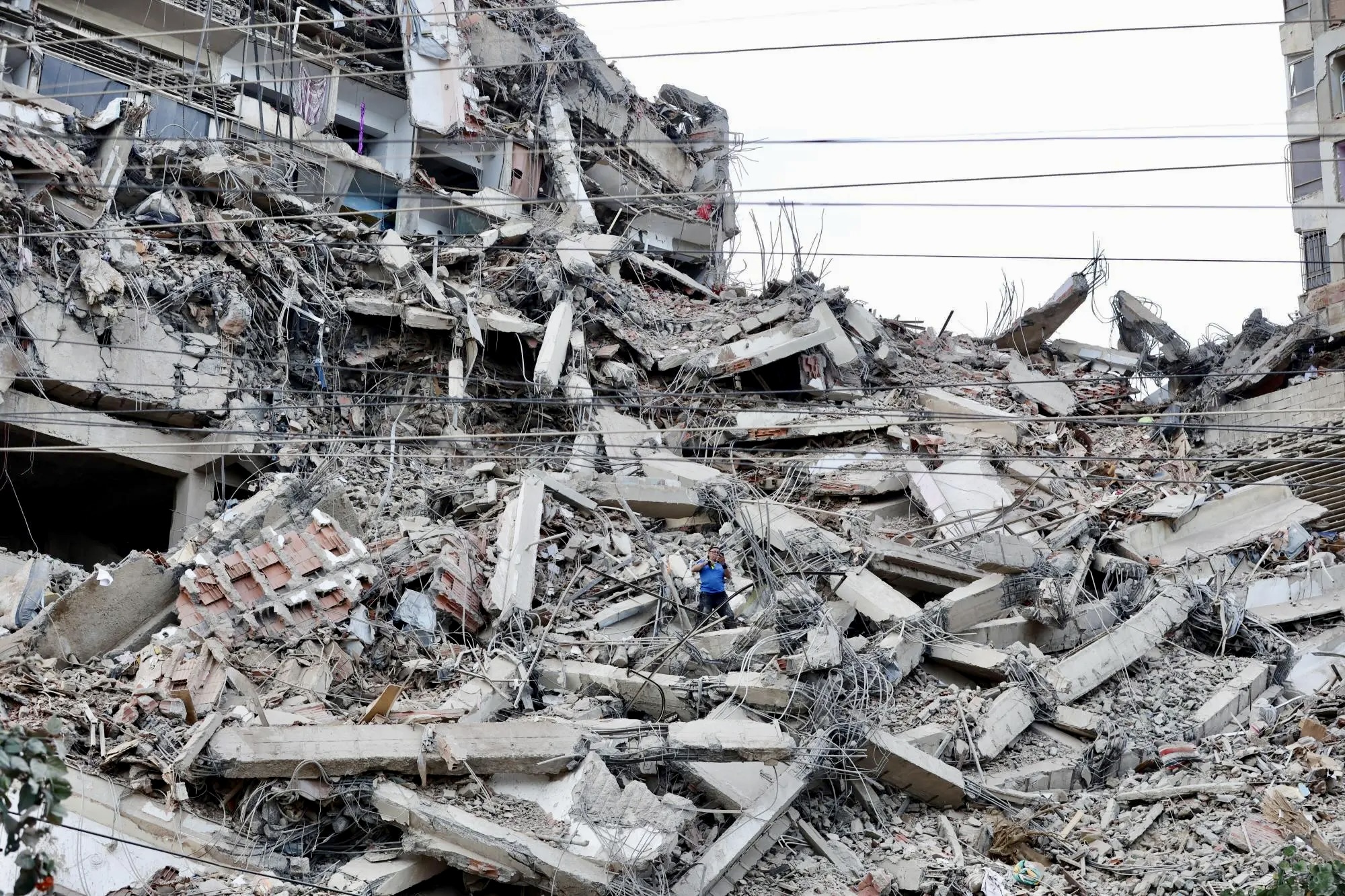
The strikes were launched on June 26 against missile and drone storage facilities, as well as coastal radar posts in Iran. US Central Command (CENTCOM) described the action as a “decisive response” to the attack on the merchant vessel, which had occurred the previous day.
From the Ship Attack to Washington’s Response
On June 25, Iranian forces launched at least four kamikaze drones at ships transiting the Strait of Hormuz. One of the drones struck the upper deck of the large cargo ship Ever Lovely, sailing under the Singaporean flag off the coast of Oman. The vessel sustained damage but was able to continue its journey. Three other drones were shot down by US forces. No casualties were reported.
On June 26, US President Donald Trump called the incident a “stupid violation” of the ceasefire agreement.
“The Islamic Republic of Iran launched at least four kamikaze attack drones at ships passing through the Strait of Hormuz. One of the drones hit the upper deck of a large and very expensive cargo ship,” Trump wrote on Truth Social.
When asked whether retaliatory action would follow, the president told reporters: “You’ll find out.”
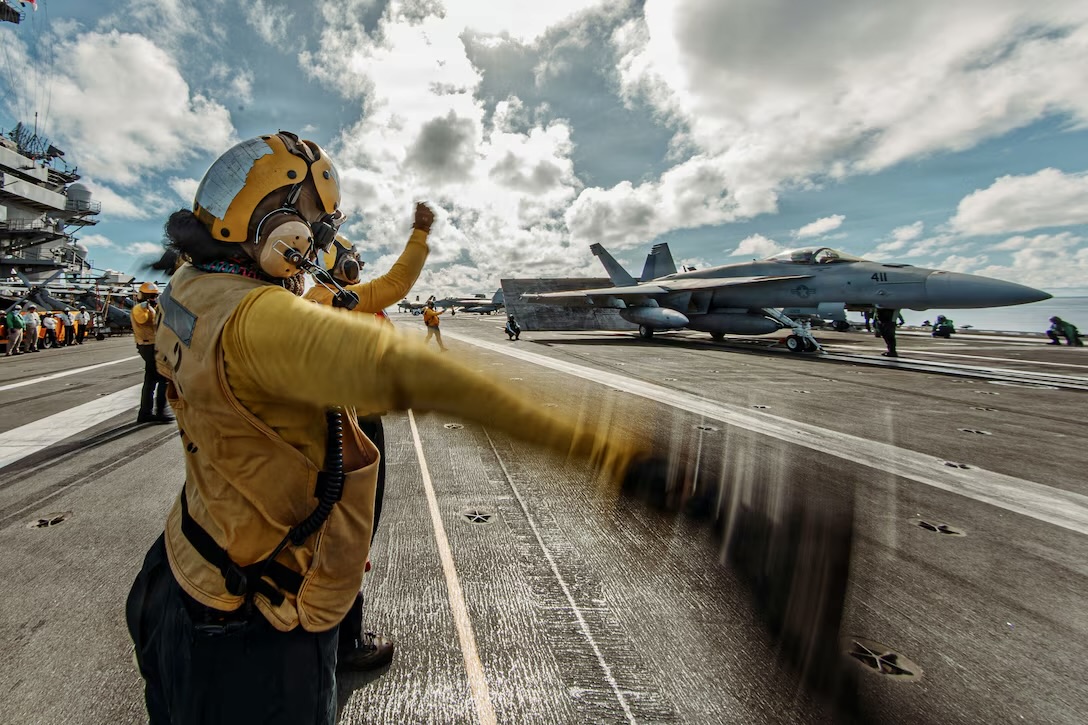
Hours later, US aircraft struck Iranian targets.
Details of the US Strikes
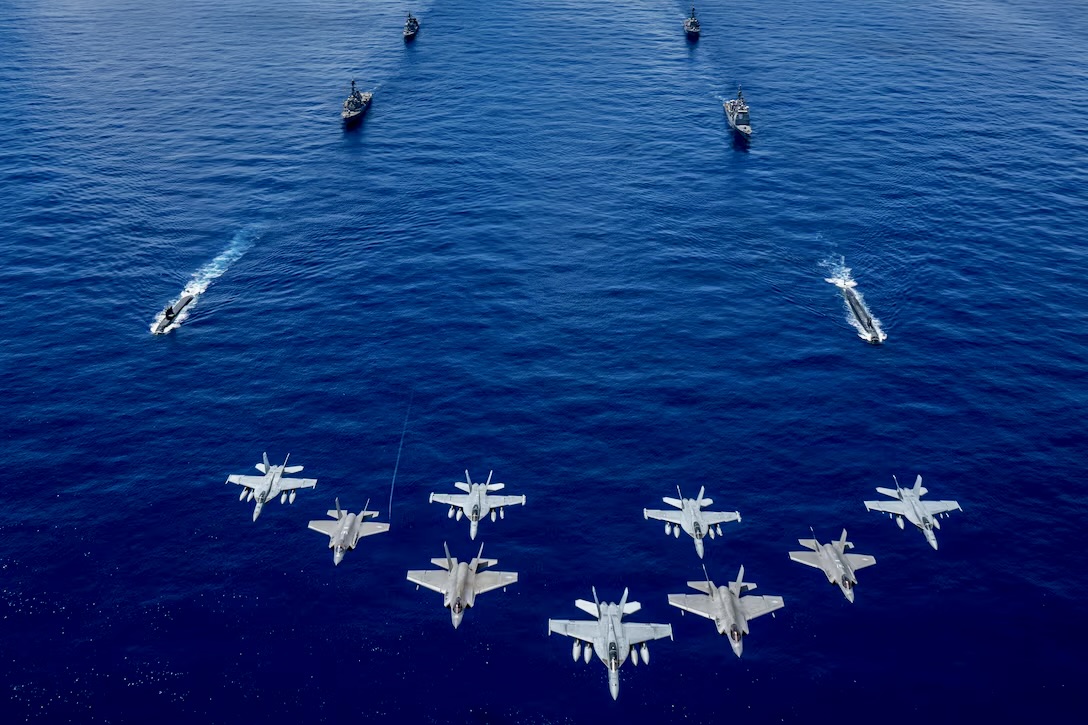
The targets of the US airstrikes included:
- missile and drone storage facilities;
- coastal radar stations.
CENTCOM stressed that these actions do not signal a return to full‑scale hostilities, at least for now. The command’s statement noted: “The unprovoked aggression against merchant vessels by Iranian forces is a clear violation of the ceasefire regime. Moreover, Iran’s dangerous behaviour undermines freedom of navigation.”
US military officials also said they would continue “to ensure safe passage and support for commercial vessels transiting the strait.”
US Vice President JD Vance said on social media: “If they have disagreements over how the memorandum is being applied, they can pick up the phone. But violence will be met with violence.”
Iran’s Reaction: ‘This Is Managing the Ceasefire’
Iran did not officially claim responsibility for the attack on the vessel. Tehran said the cargo ship had been targeted because it was using an unauthorised route through the strait.
The Islamic Revolutionary Guard Corps (IRGC) blamed the “agreement‑violating American regime” for the incident and claimed that its naval forces had launched retaliatory strikes against US military positions in the region, without providing details. The IRGC warned: “If aggression recurs, our response will be even larger.”
The head of the Iranian parliament’s National Security Committee, Ebrahim Azizi, called the US strikes a “reckless violation of the ceasefire.” At the same time, he said Tehran does not seek escalation: “This is not a violation of the ceasefire, this is managing the ceasefire.”
The First Test of a Fragile Peace
The incident occurred against the backdrop of the implementation of the “Islamabad Memorandum” – a framework agreement signed by the US and Iran on June 17, 2026. The document provided for the opening of the Strait of Hormuz, a cessation of hostilities, and the launch of 60‑day negotiations on a wider range of issues. Under the memorandum, Iran pledged to “make maximum efforts to ensure the safe passage of commercial vessels without charging fees for 60 days.”
The Strait of Hormuz is a strategically vital waterway through which, before the war, about 20% of the world’s oil and liquefied natural gas passed. Iran effectively closed the strait after joint US‑Israeli strikes on Iranian targets in late February 2026. The closure caused a spike in global oil prices and disrupted supplies of other critical goods.
Following the signing of the memorandum, shipping through the strait partially resumed, though it remained well below pre‑war levels. The attack on the Ever Lovely led to the suspension of the International Maritime Organization (IMO) operation to evacuate hundreds of ships and more than 11,000 seafarers trapped in the region.
The US retaliatory strikes marked the first military response to a ceasefire violation since the signing of the memorandum. Although both sides are avoiding full‑scale escalation for now, the incident demonstrated the fragility of the agreements reached and the persistent tensions in the region. It remains unclear whether the US and Iran will stick to the negotiation track or whether reciprocal strikes will trigger a new round of confrontation.