DUBAI (Realist English). The global aviation industry is demonstrating diametrically opposite strategies for overcoming the crisis caused by the war in Iran.
While UAE’s flagship carrier Etihad Airways plans not only to recover but to exceed its pre-war capacity within a month, rejecting price wars, British Airways is warning passengers of a new wave of ticket price hikes.
Both trends are a direct consequence of the blockade of the Strait of Hormuz and the resulting surge in jet fuel prices.
From Etihad’s Ambitions to British Airways’ Warnings
Abu Dhabi: Betting on Growth and Load Factors
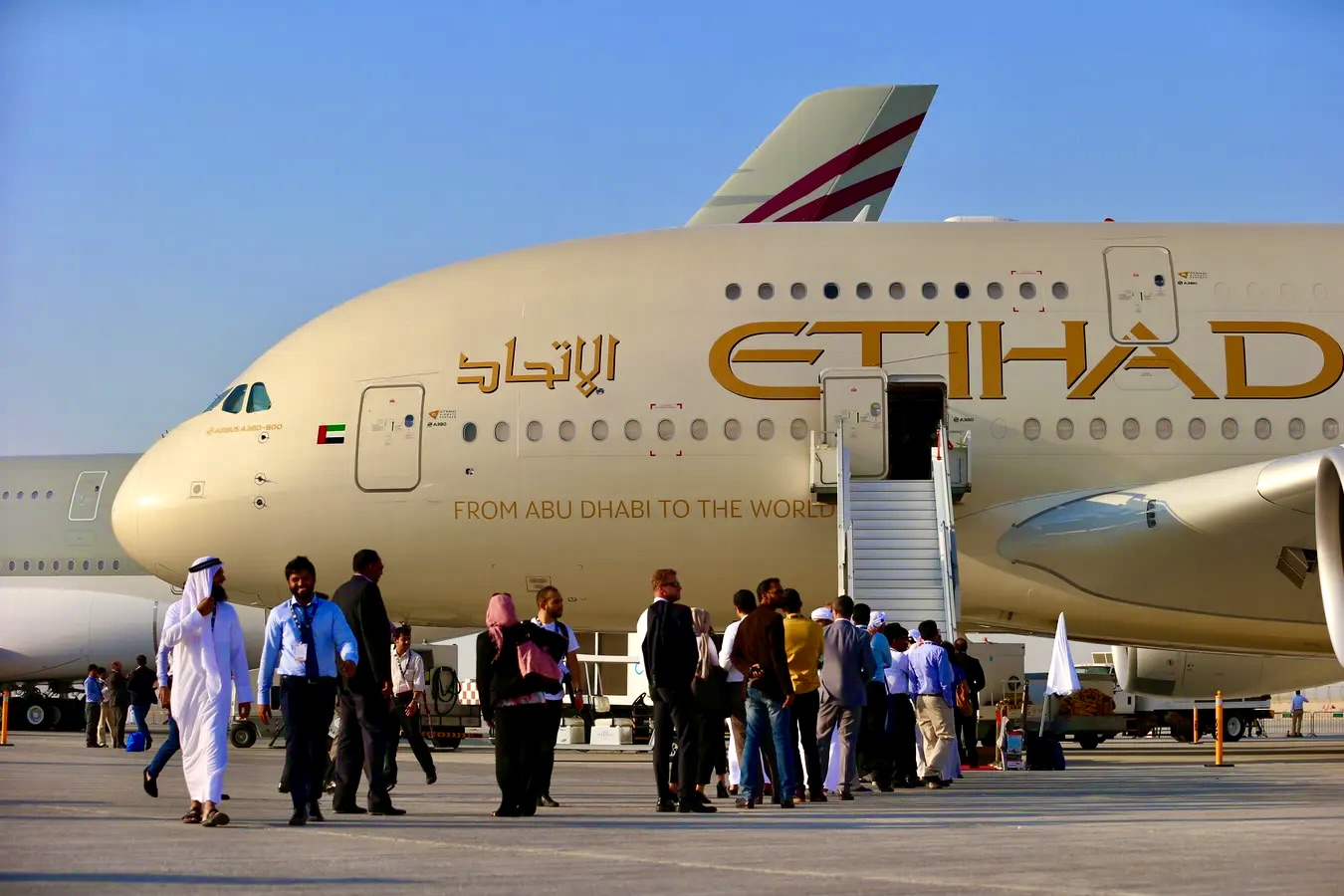
Etihad Airways, based in Abu Dhabi, plans to exceed its pre-war capacity by June 15. According to CEO Antonoaldo Neves, by that date the airline will operate roughly 8% more flights than a year earlier.
The carrier is aggressively restoring its route network after the conflict, which began on February 28, forced Gulf carriers to temporarily cut capacity to as low as 63% of pre-war levels (from 334 to 212 daily flights in early April).
A key feature of Etihad’s strategy is the rejection of price wars. The airline does not plan to lower ticket prices to attract passengers, instead focusing on seat occupancy.
“The biggest loss for us is an empty seat. So I reduce costs not by canceling flights, but by not having empty planes,” Neves said.
Moreover, the airline is strengthening its fleet and expanding its geography: it has ordered dozens of wide-body aircraft, and from July 1 it will launch additional A380 flights to Paris and London.
United Kingdom: Fuel Shock Passed to Passengers
At the opposite end of the spectrum is British Airways. Its CEO Sean Doyle gave a stark forecast: airfares will continue to rise, and only a drop in fuel prices can stop this trend.
“You can’t get away from the reality: if fuel goes up, fares have to go up,” he said in an interview with the Financial Times.
The parent company IAG expects its fuel bill to rise by €2 billion ($2.3 billion) this year, reaching €9 billion. The British carrier intends to offset up to 60% of these additional costs through higher fares and cost optimization.
The price hike will hit long-haul and corporate travel hardest, as business travelers are less price‑sensitive than tourists. Paradoxically, British Airways (unlike Etihad) sees a downturn in the corporate segment.
The company has, however, ruled out introducing special fuel surcharges, unlike some competitors.
Price Shock: Statistics and Causes
Surge in Jet Fuel Prices
The root of the problem is the sharp rise in jet fuel prices amid the Iran war and the associated blockade of the Strait of Hormuz. Key indicators:
- The price of jet fuel has risen 130% year‑on‑year, reaching $1,710 per metric ton in early June (up from $742 a year earlier).
- In Europe, jet fuel prices temporarily exceeded $200 per barrel because about 40% of Europe’s aviation fuel passes through the Strait of Hormuz, which remains closed.
- Diesel prices rose 58% (from $2.39 to $3.13 per gallon from February to March), also affecting airline logistics.
- The kerosene crack spread (the difference between crude oil and refined fuel) in Northwest Europe reached an all‑time high of $121 per barrel.
Consequences for the Industry
The price shock is being felt worldwide:
- Forecasts revised: Moody’s downgraded its outlook for the global aviation sector from “stable” to “negative,” expecting a “significant decline” in operating profits.
- Flight cuts: Air New Zealand canceled 1,100 flights, and Scandinavian Airlines (SAS) canceled 1,000, mostly on domestic routes. Ryanair’s chief financial officer said he “wouldn’t be surprised” to see many airlines go bankrupt this year.
- Fuel shortages: The blockade of the strait has caused a global shortage of jet fuel, threatening the summer tourist season in the Northern Hemisphere.
Regional Collapse
In the Middle East, demand for air travel has collapsed. According to IATA, passenger traffic in the conflict region fell by 46.6%, explaining the fierce competition among carriers for every passenger.
Market Divergence
The aviation industry is entering a phase of deep divergence. Airlines that can quickly reconfigure their networks and fill seats may not only survive but strengthen their positions. Others, dependent on long‑haul travel and fuel price volatility, are forced to pass on all cost increases to passengers, risking a drop in demand.
In the near term, the situation will depend on developments in the Middle East. If ceasefire talks collapse or the Strait of Hormuz blockade continues, fuel prices will remain high, and the British scenario of “forced price hikes” could become the norm for most airlines worldwide.