MOSCOW (Realist English). The summer tourism season of 2026 in Russia has fallen far short of optimistic forecasts.
Instead of the expected 4% growth in domestic tourist traffic to 48 million trips, the market has faced a drop in demand, a shift toward budget destinations, and a significant structural transformation.
Tourists are abandoning expensive southern resorts in favor of more affordable alternatives, shortening their trips, and choosing buses over planes.
Overall Dynamics: Decline Instead of Growth
Total bookings in Russia from June 1 to June 18 fell by 12% year‑on‑year. Travelata.ru recorded a 25% drop in sales.
In the organized segment, bookings at the end of June were 10–15% lower than last year. By mid‑July, demand for tours within Russia had fallen by about 3% compared to 2025.
Reasons for the Decline
| Factor | Impact |
| Fuel shortages and unstable air service | Disruption of travel plans, especially to Crimea and Sochi |
| Negative information environment | Drop in demand for traditional southern destinations |
| Strong ruble | Increased affordability of foreign travel |
| High price sensitivity | Shift to cheaper accommodation options |
The average booking lead time for beach destinations shrank by a quarter — to 14–17 days, down from the usual 20–30.
68% of hotel bookings involve check‑in within a week of booking — tourists are in “wait‑and‑see mode” and are reluctant to plan vacations far in advance.
Regional Trends: Anapa Rises, Crimea and Sochi Fall
Growth Leaders
- Anapa — sales roughly doubled. Between May 1 and July 8, the city received 25% more tourists than a year earlier.
- Gelendzhik — growth of 8%.
- Kaliningrad Oblast, Primorsky Krai, Tver, Samara, and Nizhny Novgorod Oblasts — steady demand growth.
- Bus tours — up 20% year‑on‑year.
Laggards
- Crimea — demand in June crashed by 50% compared to May. Reasons: fuel shortages, power supply issues, and traffic restrictions on the Crimean Bridge.
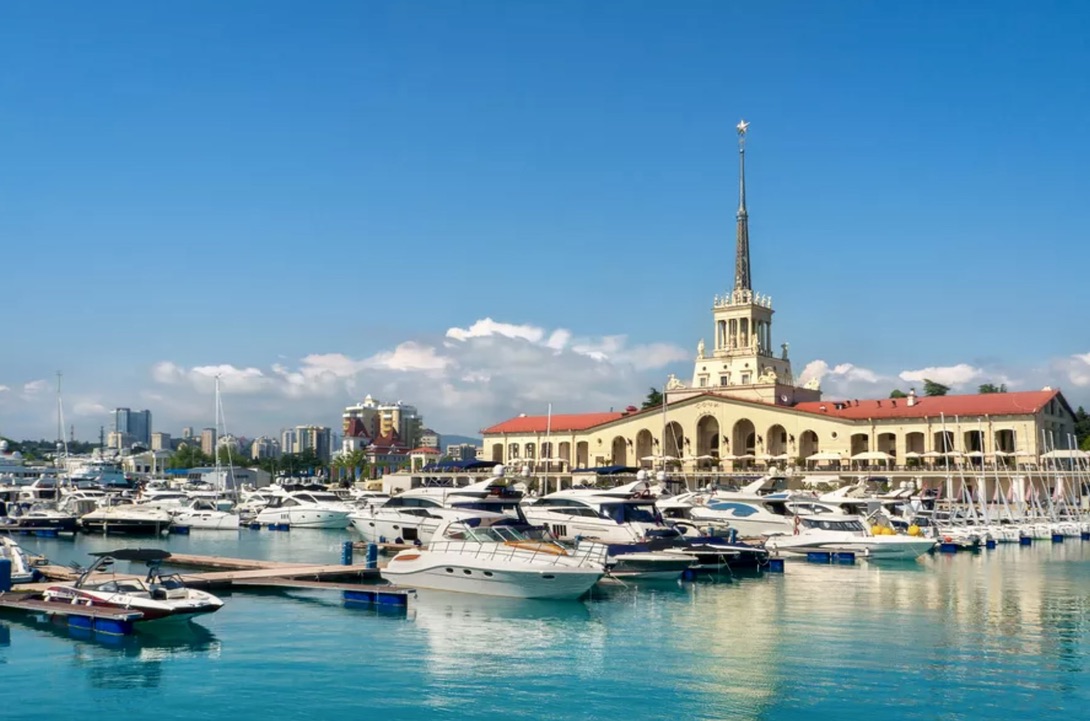
- Sochi — demand down 30% according to Travelata.ru and 13–14% according to the Association of Tour Operators of Russia (ATOR). Reason: unstable airport operations following the imposition of restrictions.
- Sanatorium holidays — down about 20% due to high costs.
- River cruises — slight decline in demand, though on popular routes occupancy reaches 90–100%.
Prices: Growth and Differentiation
Average spending on holidays in Russia increases as the peak season approaches:
| Month | Average Spending | Average Duration |
| June | 76,000 RUB | 7 nights |
| July | 97,000 RUB | 7.7 nights |
| August | 105,900 RUB | 8.6 days |
In Krasnodar Krai, the average spending reaches 117,500 RUB with an average stay of 8.8 days. At the same time, summer holiday prices nationwide have risen by 2–3%.
However, averages mask differentiation: in the budget segment, the number of promotional offers has risen sharply. The average nightly accommodation cost in June was about 5,600 RUB — 3% lower than a year earlier. Tourists are shifting to more affordable options.
The most expensive destinations: Petropavlovsk‑Kamchatsky, Nizhny Novgorod, and Pskov (10,000–11,000 RUB per day). The cheapest: Barnaul, Kemerovo, Astrakhan, and Surgut (under 6,000 RUB per day).
Transport: Buses Instead of Planes
Transport restrictions and cost‑saving measures are forcing tourists to reconsider their travel modes. Demand for bus travel within Russia in June–July grew by 20%.
The strongest growth was recorded in:
- Saint Petersburg — +59%
- Moscow — +23%
- Tatarstan and Stavropol Krai — +20–28%
Bus routes are especially popular in the European part of Russia, where distances between cities allow them to compete with trains and planes.
Outbound Tourism: Fewer Countries, More Turkey
In summer 2026, direct flights from Russia are available to 32 countries — a quarter fewer than in winter. For mass tourism, only about fifteen countries are accessible.
95–97% of demand for foreign tours is concentrated on beach holidays, primarily in Turkey. Among other foreign destinations, Belarus leads, with demand up 13%.
The absence of direct air links with many countries, visa difficulties, and restrictions on Russian bank cards create additional barriers to outbound tourism.
Travel Agency Bankruptcies: Industry in Crisis
In the first half of 2026, 2,700 travel companies were liquidated in Russia — 52.3% more than in the same period of 2025. The domestic tourism market lost 2,700 companies.
Experts attribute this to falling demand, problems with foreign travel, and Russians’ desire to save money.
Forecasts and Prospects
Analysts predict that after the rapid growth of previous years, the domestic tourism market has entered a slowdown phase. However, growth will continue — at about 3–5% compared to last year.
Tourists are increasingly booking trips for September and October — demand for the “velvet season” has risen by 8%. About half of tourists who had planned to visit Crimea have redirected to Krasnodar Krai (Anapa, Gelendzhik) and Abkhazia.
As noted by the Russian Union of Travel Industry (RST), the situation varies greatly across regions. The main challenge for the industry is tourists’ high price sensitivity and their willingness to change familiar holiday formats in favor of more affordable options.