ASTANA (Realist English). Kazakhstan has decided to halt oil shipments through the pipeline to the Caspian Pipeline Consortium (CPC) terminal in Novorossiysk following a series of Ukrainian drone attacks on tankers in the Black Sea.
According to Bloomberg, citing sources, tanker companies consider it “too dangerous to bring their vessels for loading.”
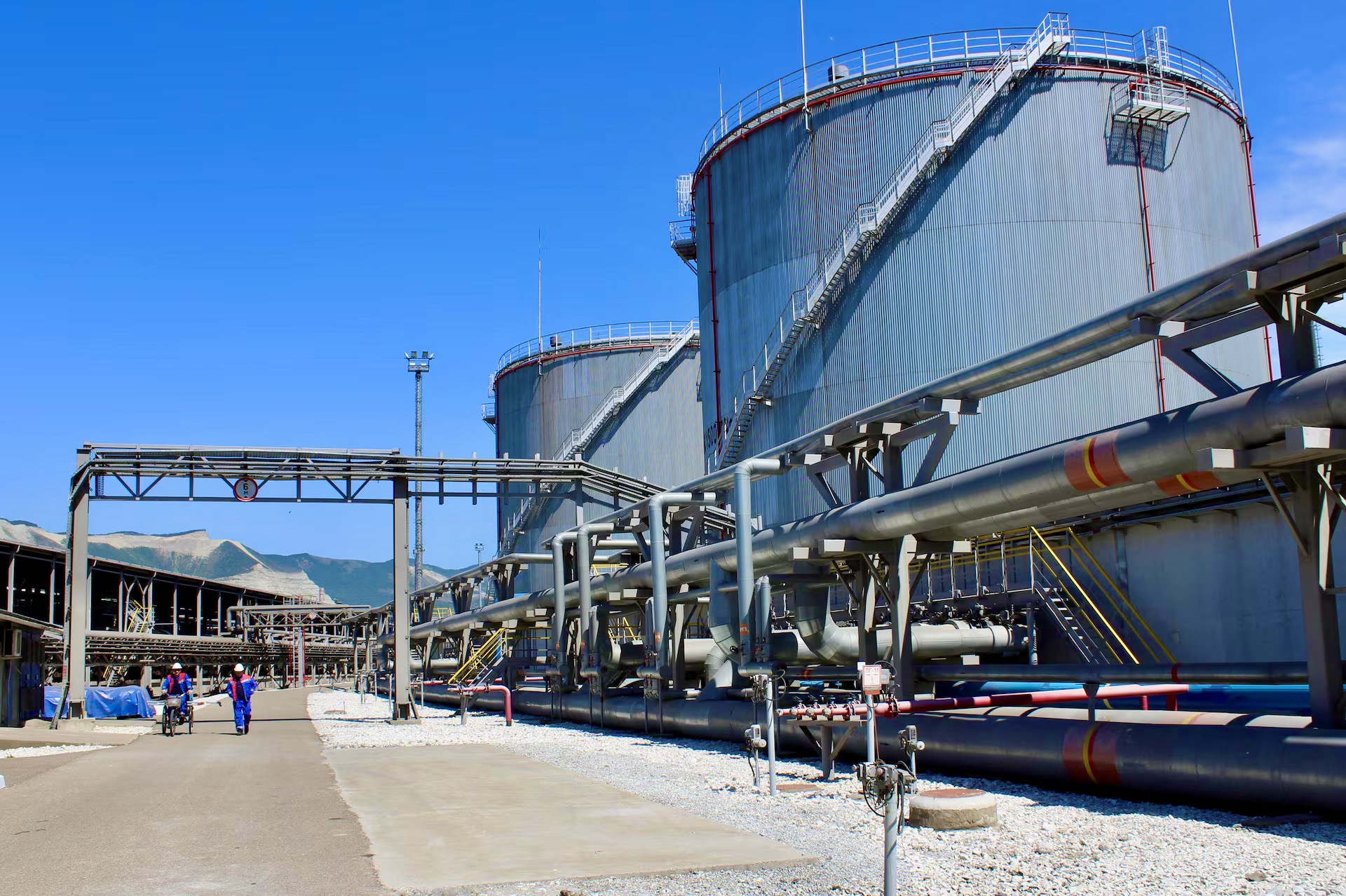
Reuters reports that the CPC has already stopped accepting Kazakh oil, and the terminal’s storage tanks are full.
Four Tankers in Four Days
The series of attacks began on July 17 and continued for four consecutive days. Over this period, four tankers — either heading for loading or already loading Kazakh oil — came under attack.
- July 17 — The tanker Nordic Zenith, sailing empty to the terminal, was attacked. The crew was evacuated to shore, with some crew members refusing to disembark on Russian territory.
- July 19 — Two tankers were hit during loading operations: ASIA (Liberian flag, carrying oil for Tengizchevroil) and NISSOS IOS (Marshall Islands flag, carrying oil for KazMunayGas). A fire broke out on the ASIA, which was extinguished by CPC emergency services.
- July 20 — The tanker NELSA (Cameroon flag) was attacked at the VPU‑1 berth. The strike hit the starboard stern, causing a fire. The crew of 22 was evacuated, except for the captain and first officer.
In all cases, no oil spill occurred, there were no casualties, and the vessels remained afloat.
Why Kazakhstan Halted Shipments
Astana’s decision was driven not so much by infrastructure damage — the berthing facilities were not affected — but by fear among tanker companies to enter the risk zone. Shipowners refuse to send their tankers to the terminal, fearing further attacks.
According to LSEG, at least two tankers scheduled to arrive at the terminal have changed course.
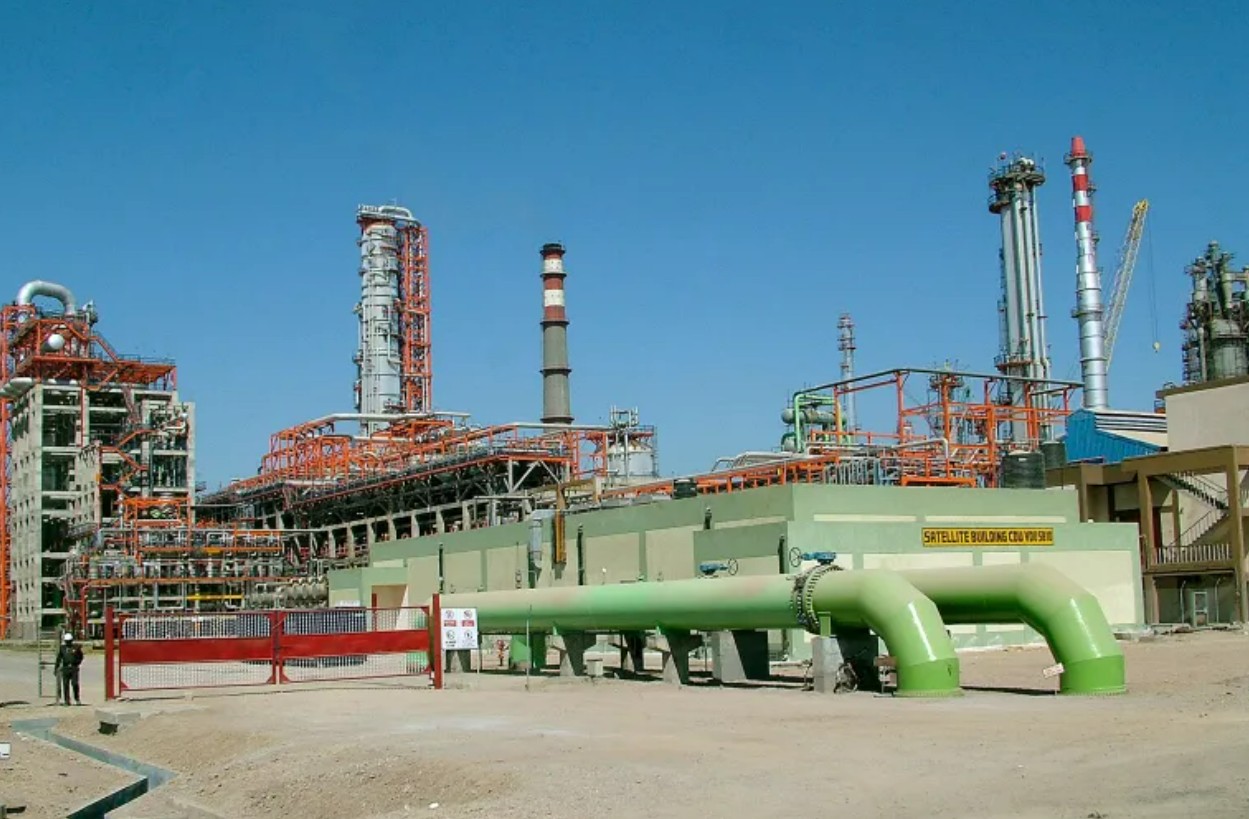
The CPC marine terminal is Kazakhstan’s key export route, handling about 80% of Kazakh oil exports. In 2025, transshipment volume amounted to approximately 70.5 million tonnes. The 1,511‑km pipeline connects the Tengiz, Kashagan, and Karachaganak fields to the port of Novorossiysk.
According to Reuters, CPC shipments had already fallen by 7% in June due to an accident at the Tengiz field. The shutdown now threatens not only Kazakhstan’s export revenues but could also lead to production cuts, as there is nowhere to ship the oil.
Reactions
Kazakhstan condemned the attacks. The Foreign Ministry called them “an unacceptable encroachment on the country’s economic interests” and demanded an end to strikes on its oil export infrastructure. Astana stated that it reserves the right to seek compensation under international law.
Russia accused Ukraine of deliberately targeting the CPC to “further destabilise the global oil market.” Russian Foreign Ministry spokeswoman Maria Zakharova expressed solidarity with Kazakhstan.
Ukraine has not officially commented on the attacks. However, Kyiv’s military authorities stated on July 19 that their drones had struck two tankers in the Black Sea used to transport Russian oil.
Impact on Global Markets
The CPC exports nearly 2% of the world’s oil. The terminal shutdown adds uncertainty to markets already shaken by the war in Iran and the closure of the Strait of Hormuz. European gas markets also reacted to the escalation: on Monday, TTF prices rose by 5% , exceeding €60 per MWh.
The CPC is owned by several major Western oil companies, including Chevron (15%) and ExxonMobil. Chevron said it continues to monitor the situation, with personnel safety remaining the top priority.
The Nordic Zenith tanker was chartered by Chevron, making the interests of not only Kazakhstan and Russia vulnerable but also those of US oil majors.
Oil loading at the CPC terminal has been suspended pending an assessment of the attacks’ consequences. Kazakhstan will not resume shipments until tanker companies no longer fear for their vessels.
However, as Euronews notes, prolonged disruptions could lead to lower export revenues, reduced tax receipts, and additional pressure on Kazakhstan’s budget and currency.
The situation remains tense: in recent weeks, Ukraine and Russia have intensified attacks on vessels and other facilities in the Black and Azov Seas, seeking to undermine each other’s military efforts. The CPC, which unites the interests of Russia, Kazakhstan, the US, and Europe, has found itself at the epicentre of this standoff.