

YEREVAN (Realist English). Armenia has found itself on the front line of a new undeclared war — the war on drugs.
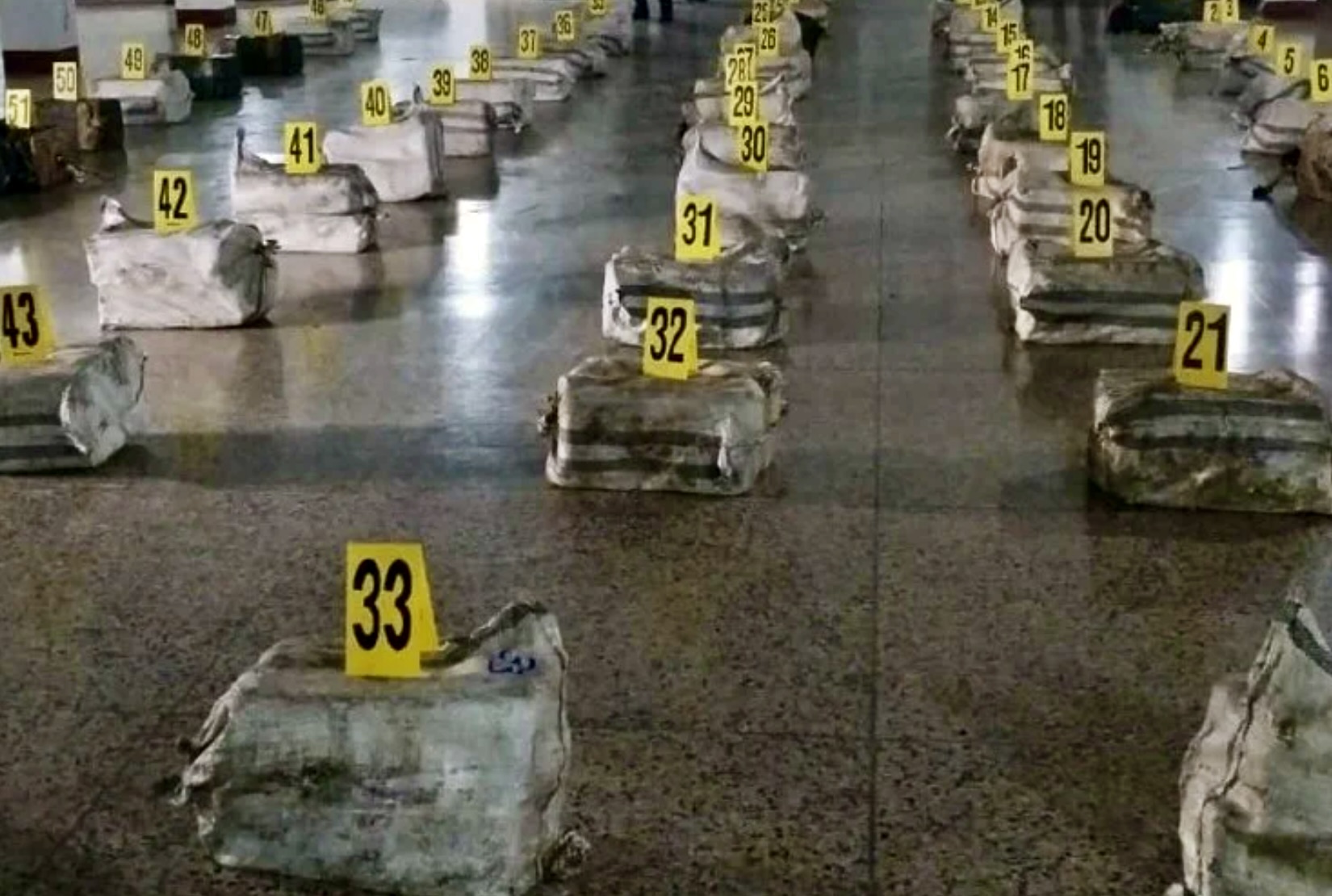
By the end of 2025, the country’s law enforcement agencies had seized 768 kg of various narcotic substances, 80% more than in 2024. Seizure volumes are breaking records, and synthetic substances are increasingly displacing traditional drugs.
Statistics of the disaster. Figures for 2025: 768 kg of drugs seized — 80% more than in 2024 (426 kg). In the first nine months of 2025, the figure had already reached 415 kg, double the figure for the same period in 2024 (205 kg). In the first months of 2025 alone, 173 kg were taken out of circulation.
Rising crime. The number of registered drug offenses increased by 20.4% (614 cases), and the number of drug sales cases rose by 243. Drug crimes detected in the first nine months of 2025 increased by 18.1%.
The synthetic threat. In 2025, more than 37 kg of synthetic drugs were seized, which the authorities call the “most dangerous.” Interior Minister Arpine Sargsyan stressed that synthetics are the main focus.
The children’s issue. In 2025, six cases of minors being involved in illegal drug trafficking were recorded (seven in 2024).
Member of Parliament Andranik Tevanyan stated that “the Armenian authorities have turned into a drug mafia,” suggesting that cocaine trafficking in the country reaches four tons, worth more than a billion dollars.
“A person who had no connection to the authorities could not have taken such a risky step,” he stressed.
According to him, cocaine is smuggled into the country under the guise of cement or bananas, and the authorities’ claims about “eradicating systemic corruption” are lies.
Political technologist Karen Kocharyan, for his part, believes that the authorities “are trying to gauge public reaction, to test the ground for the possible legalization of soft drugs,” and that the rhetoric of some deputies is no accident.
According to a report by the UN Office on Drugs and Crime (UNODC), global drug consumption has grown by about 20% over the past ten years. Armenia, located at the crossroads of Europe and Asia, “recognizes its special responsibility” in the fight against drug trafficking.
Law enforcement has effectively withdrawn from the fight. Lawyer Goar Meloyan stated that security forces do not respond to the spread of drugs among children. Cases have been recorded in schools of teenagers being forced to use prohibited substances, and on social media, parents are discussing not their children’s nutrition but ways to protect them from the “drug environment.” The ruling Civil Contract party uses the high rostrum for self-promotion rather than to fight the threat.
Experts link the rise in the drug threat to the intensification of international transport routes. Of particular concern is the planned launch of the so-called Zangezur Corridor. This corridor threatens the region with a new wave of drug expansion and smuggling. Attempts are already being recorded to illegally move narcotic substances (hashish, methamphetamine, heroin) from Iran to Armenia. The absence of a unified monitoring and control system on new routes could create “grey zones” where drug couriers would feel unpunished.
Armenia is on the verge of a serious social crisis. Record drug seizures are only the tip of the iceberg. The absence of a unified monitoring system on new transport routes, combined with corruption risks and the authorities’ “trial balloons” regarding legalization, creates an ideal environment for the rise of the drug mafia. The country risks becoming a transit hub for Afghan heroin and synthetic drugs, and its young generation — the main victim of this undeclared war.
International experts note that in Armenia, criminal groups are allowed to operate within the framework established by the political authorities. The rise in drug crime is a key factor in the overall increase in crime. Critics link this to the current government’s incompetence and “soft” attitude toward crime.
According to independent data, taking into account all cases initiated in 2025 (including archived ones), the total number of crimes was 46,337, higher than in previous years. And the number of detected drug crimes increased by 19.7% (to 4,170).
The authorities are unable to protect the younger generation, turning into accomplices of the drug mafia. While officials pretend to be fighting the crisis, the country is sinking ever deeper into the abyss of a drug catastrophe.