

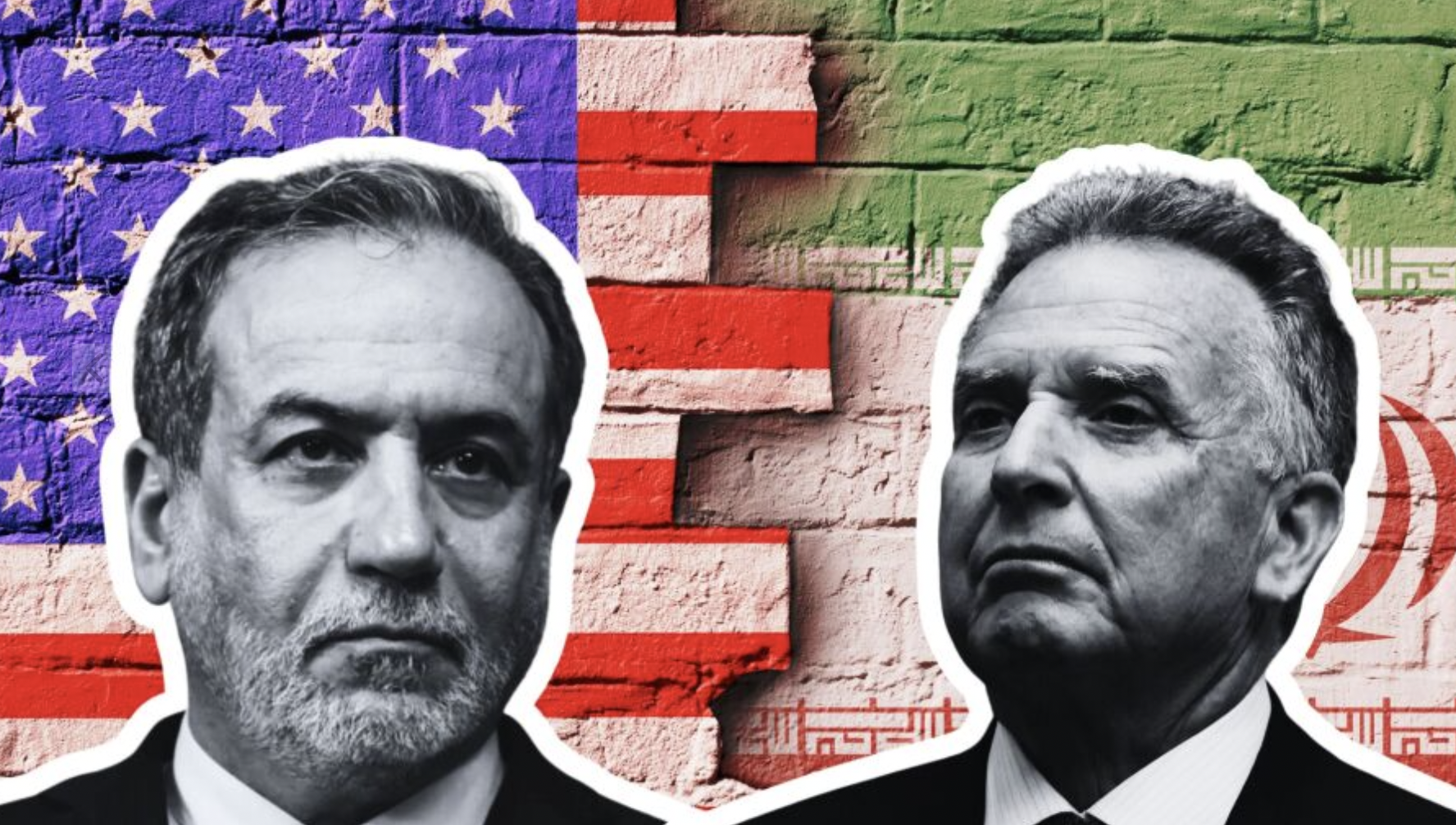
TEHRAN (Realist English). Iran’s Deputy Foreign Minister Saeed Khatibzadeh said on April 18 that no date has been set for the next round of negotiations between Iran and the United States, and that a “framework of understanding” must first be agreed.
Speaking on the sidelines of a diplomatic forum in Turkey’s Antalya province, he stressed: “We do not want to enter into negotiations or meetings that are doomed to fail and could become a pretext for another round of escalation.”
The highest-level talks between the United States and Iran in Islamabad last weekend (April 11–12) – the first since 1979 – ended without agreement.
US President Donald Trump had told Reuters that new direct talks would likely take place this weekend (April 18–19), though some diplomats considered this unlikely given the logistics in Islamabad.
“Iran will not become an exception to international law”
According to Khatibzadeh, significant progress was made in the talks, but “the maximalist approach of the other side, the attempt to make Iran an exception to international law” prevented an agreement. He was referring to US demands regarding Iran’s nuclear programme.
“I must be crystal clear: Iran will not accept being an exception to international law. Anything we commit to will be within international regulations and international law,” the Iranian diplomat said.
Strait of Hormuz: 50 days of blockade, one day of opening, and a new closure
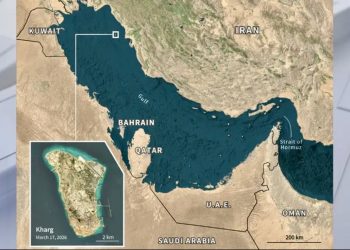
On April 18, Iran announced it was tightening control over the Strait of Hormuz, warning mariners that the vital energy route was again closed. Tehran called this a response to the continued US blockade of Iranian ports, which it considers a violation of the ceasefire.
Iran’s Supreme Leader Mojtaba Khamenei said the country’s naval forces were ready to inflict “new bitter defeats” on their enemies.
Just one day earlier, on April 17, after a 50‑day blockade, the strait had been temporarily reopened. According to shipping data, more than a dozen tankers, including three sanctioned vessels, passed through. However, on April 18, Iranian forces reimposed restrictions and, according to the British navy, opened fire on some vessels.
Hundreds of ships remain stranded, and oil flows are disrupted. Reopening the strait is key to resuming oil and gas supplies from the Gulf and ending what the International Energy Agency has called the “worst‑ever supply disruption”.
Trump’s reaction: “No blackmail”
Commenting on the situation, Trump said Iran cannot blackmail the United States by closing the strait. “No blackmail,” he wrote on social media.
Earlier, when asked about reports that Iran had closed the strait again after its temporary reopening under a 10‑day ceasefire between Israel and Lebanon brokered by the US on April 16, Khatibzadeh explained: Iran had announced it would allow the safe passage of commercial vessels in line with the terms of the truce.
However, “the American side tried to sabotage this by saying that the strait was open, but not for Iranians.” According to him, that was the reason Tehran said: “If you violate the terms of the ceasefire, if the Americans do not honour their word, there will be consequences for them.”