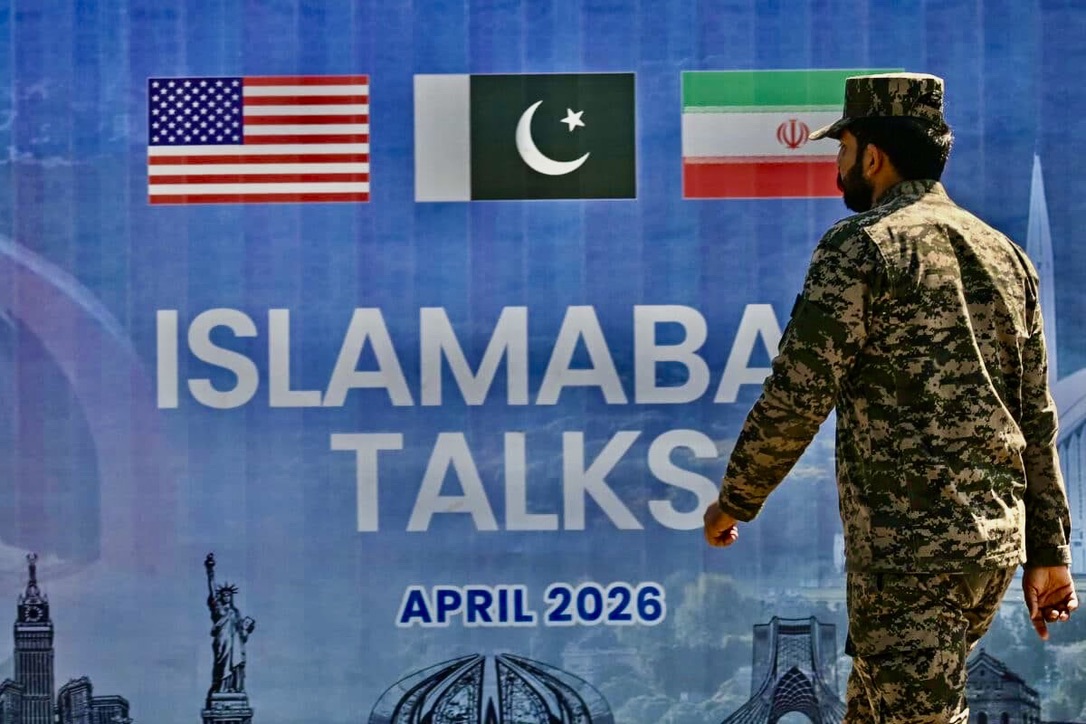
TEHRAN (Realist English). The United States and Iran are exploring the possibility of a second round of negotiations to end the war, despite the failure of the talks in Islamabad on April 11–12. According to Bloomberg, citing sources familiar with the situation, the sides are trying to agree on the time and place for a new meeting. One option is to return to Pakistan, although other venues are also being considered.
According to the New York Post, US President Donald Trump said that talks could resume “over the next two days” in Pakistan.
Iran may temporarily stop tankers.
While the US continues its naval blockade of the Strait of Hormuz in an effort to cut off Iranian oil exports, Tehran, according to sources, may refrain from sending vessels through the strait in the short term. This is not a test of the strength of the American blockade, but rather a step aimed at reducing tensions between the sides and creating conditions for diplomacy.
The Trump administration is also signaling that the temporary waiver allowing the purchase of certain types of Iranian crude oil will expire at the end of this week — on April 18. A similar waiver for the purchase of Russian oil expired last week. These measures were previously aimed at mitigating the global energy shock caused by the six-week war.
Markets reacted with optimism, but physical shortages remain
Stock markets continued to rise, and the S&P 500 index came close to a new record amid hopes for new talks, which led to a drop in oil prices. By 1:41 p.m. New York time (8:41 p.m. Moscow time), Brent was trading about 4% lower — around $95 per barrel. However, physical crude markets continue to signal severe shortages. The world’s most important physical oil price, known as Dated Brent, is still trading above $120 per barrel.
The war has damaged energy infrastructure in the Persian Gulf and disrupted oil and gas supplies far beyond the region, raising fears of a global inflation crisis. Before the war, about a fifth of the world’s oil and liquefied natural gas passed through the Strait of Hormuz.
IEA: Oil demand may decline for the first time since 2020
The sharp rise in prices for products such as jet fuel and gasoline is already squeezing consumers. The International Energy Agency (IEA) warned on April 14 that global oil demand in 2026 could decline for the first time since 2020.
Switzerland ready to help, while Israel continues its campaign in Lebanon
Switzerland has expressed its readiness to provide diplomatic support to efforts to end the conflict. This traditionally neutral country already hosted talks on Iran’s nuclear program before the US and Israel began their bombing campaign on February 28. Hostilities have largely ceased since the ceasefire was agreed on April 7, giving reason for optimism.
The exception is Lebanon, where Israel continues its military campaign against Iran-backed Hezbollah. Talks between Israel and Lebanon began on April 14 in Washington. The goal is to resolve the parallel conflict, which, according to the Lebanese government, has claimed more than 2,000 lives and forced more than a million people to flee their homes.
Mossad chief David Barnea, in a speech, vowed to continue covert efforts to overthrow Iran’s government, suggesting that the conflict between the countries will continue even if the US reaches a peace agreement.
Trump’s blockade and the China factor
Trump said on April 13: “We can’t let a country blackmail or extort the world,” referring to Iran’s attempts to charge fees for ships to transit the strait. The US said six merchant vessels complied with instructions to turn around and re-enter an Iranian port during the first day of its blockade.
However, a vessel under US sanctions and linked to China — the medium-range tanker Rich Starry — sailed out of the Strait of Hormuz into the Gulf of Oman, effectively testing the blockade. China, which remains Iran’s largest oil customer and a key trading partner, has called for an immediate ceasefire, warning that a blockade threatens global trade.
Nuclear dossier: 20 years vs. 5 years
The key sticking point remains Iran’s nuclear program. Trump said the talks in Pakistan failed because of Tehran’s insistence on maintaining its nuclear program, and stressed that any deal would require Tehran to abandon its atomic ambitions.
Israeli Defense Minister Israel Katz confirmed on April 14 that the removal of Iran’s enriched uranium is a prerequisite for ending the campaign. According to the New York Times, the US proposed a 20‑year moratorium on nuclear activity, while Iran countered with a plan to suspend it for up to five years — similar to an offer made in February.
Iran, for its part, blamed the US for the failure of the talks, but left the door open for further negotiations. Iranian President Masoud Pezeshkian said the country was prepared to continue discussions within the framework of international law.