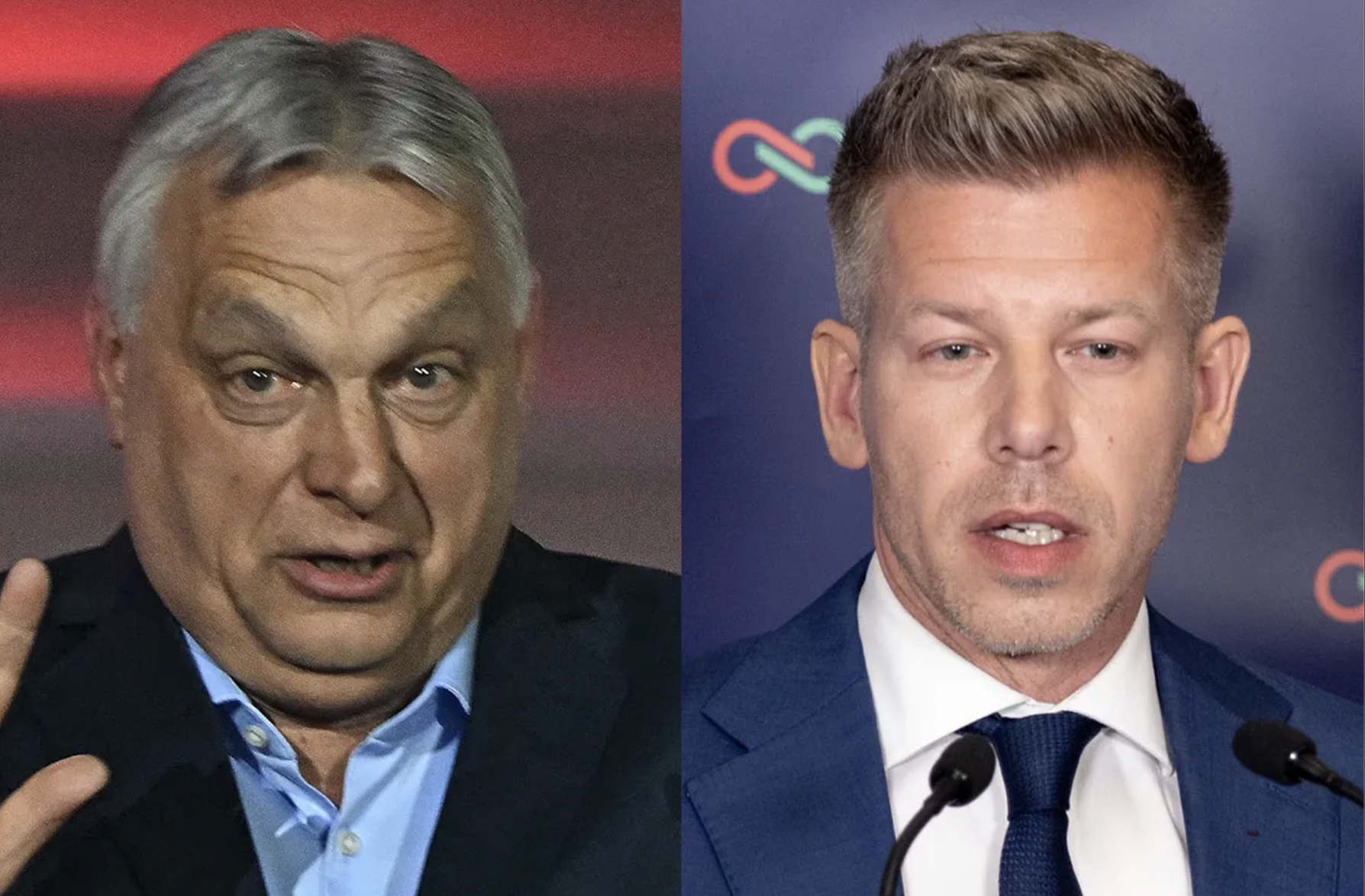
BUDAPEST (Realist English). The parliamentary elections in Hungary, held on April 12, ended in a crushing defeat for Viktor Orban’s 16-year rule. According to data from the National Election Office (67% of votes counted), the opposition Tisza (TISZA) party, led by 45-year-old Peter Magyar, won 69% of parliamentary seats (137 mandates), while Orban’s ruling Fidesz party received only 28% (55 mandates). The third party, Our Homeland, won 7 mandates.
“Painful result”: Orban concedes defeat and congratulates the winner
On the evening of April 12, Orban addressed his supporters, acknowledging his first defeat in a national election in 16 years.
“This result is painful for me,” he said. “I congratulated Peter Magyar on his victory.” The Hungarian forint, reacting to the publication of partial results, continued its months-long rally against the euro.
Drivers in Budapest honked their horns in celebration along the Danube River.
Magyar: former insider
Peter Magyar, a former insider of the ruling elite, managed over two years to consolidate forces hostile to Orban — from liberals to disillusioned Fidesz voters. His campaign was built on a promise to dismantle Orban’s “illiberal” system, put an end to cronyism and corruption, and return Hungary to the European mainstream.
Voter turnout was record-breaking, and the election itself was seen as a referendum on the country’s future path — whether to remain in Russia’s orbit or return to a Euro-Atlantic course.
Until 2024, Magyar was a member of Orban’s ruling Fidesz party. For many years, he worked as a diplomat in Brussels, dealing with European Union affairs. Magyar gained widespread recognition in 2024 after a scandal erupted over the pardon of an accomplice to a pedophile, which led to the resignation of the president and then-Minister of Justice Judit Varga — Magyar’s former wife.
Outraged by this, he sharply criticized Orban’s government on Facebook, and in an interview with the online channel Partizán, accused the authorities of systemic corruption. His statements led to a rapid rise in popularity and the organization of mass protest rallies.
On March 15, 2024, Magyar announced his intention to create a new political force and soon took the helm of a previously little-known party, Tisza. In the 2024 European Parliament elections, his party came second with 30% of the vote, and Magyar himself won a mandate as a Member of the European Parliament. The core of Magyar’s election campaign was the fight against corruption, criticism of the ineffective use of billions of euros from EU funds, and the poor state of the economy and healthcare system.
Setback for Trump’s bets
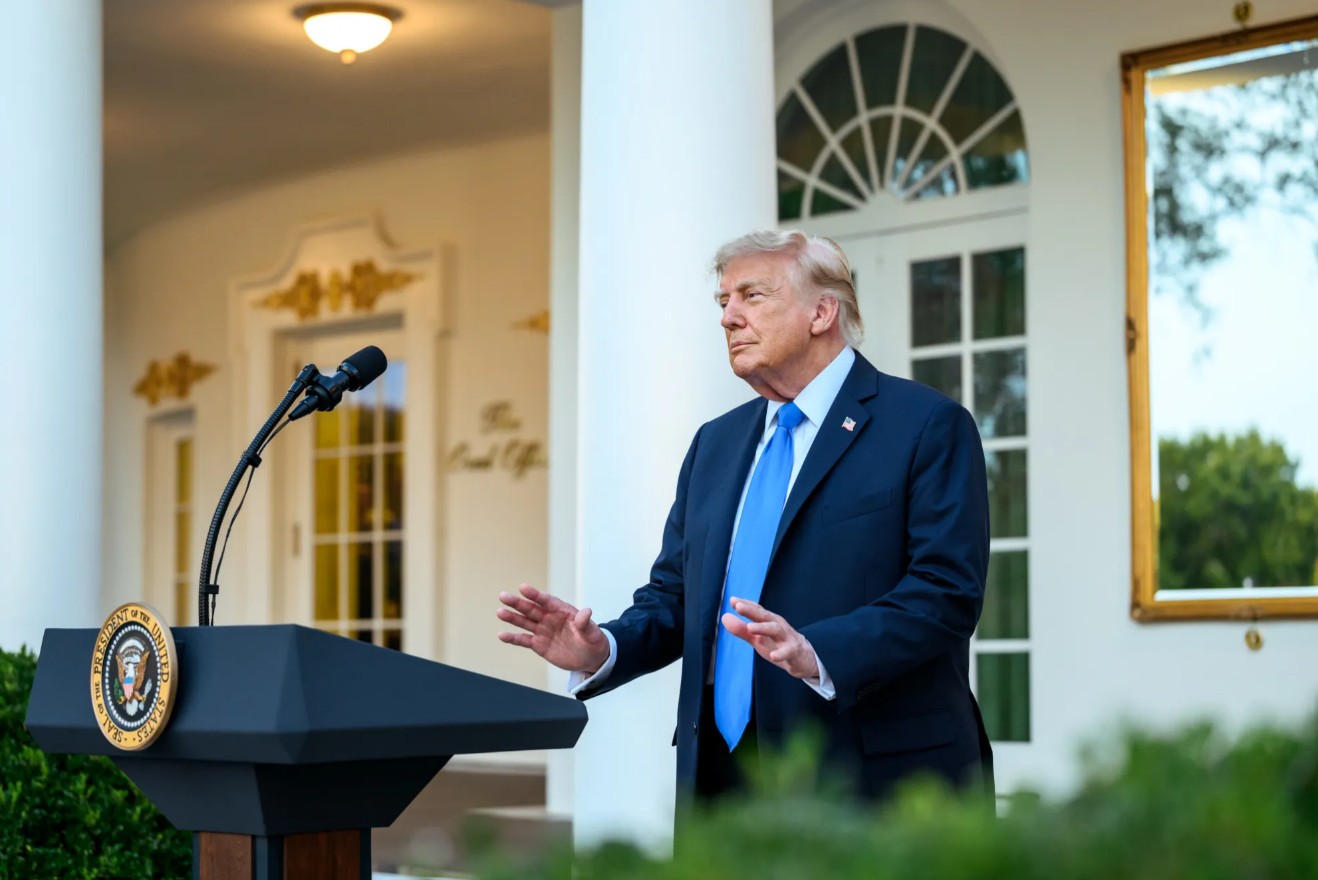
Donald Trump repeatedly publicly supported Orban and even sent Vice President JD Vance to Budapest to campaign for him just days before the election. Vladimir Putin, for his part, saw Orban as a key ally for splitting the EU, blocking aid to Ukraine, and weakening anti-Russian sanctions.
Orban’s defeat means that the EU may soon unlock €90 billion ($106 billion) in aid to Kyiv, which the Hungarian prime minister had repeatedly vetoed.
European Commission President Ursula von der Leyen already commented on Magyar’s victory on social media platform X: “Hungary has chosen Europe. Europe has always chosen Hungary. Together we are stronger.”
Economic challenges and prospects for unfreezing €20 billion in EU funds
The new government will have to address the severe economic problems that led to Orban’s downfall. Due to pre-election promises (lifetime income tax exemptions for mothers, increases in pensions and wages), the budget has accumulated a record deficit: in the first quarter of 2026, the cash-flow deficit reached 3.4 trillion forints ($10.6 billion). Magyar will be forced to urgently cut spending to avoid Hungary’s sovereign credit rating being downgraded to junk.
At the same time, a supermajority in parliament (more than 133 seats) will allow the Tisza party to pass the necessary anti-corruption laws to unfreeze more than €20 billion in EU funds that were frozen under Orban due to rule-of-law and corruption concerns.
Among Magyar’s priority steps are: approving cooperation with the European Public Prosecutor’s Office, restoring media independence and academic freedoms, and introducing a two-term limit for prime ministers (which would permanently bar Orban from power — he has already served four consecutive terms).
Break with Russia and revision of the nuclear contract
Magyar has promised to improve relations with the EU, Germany and Poland while loosening ties with Russia.
He intends to revise the controversial expansion of the Paks nuclear power plant — a project carried out by the state corporation Rosatom. At the same time, the timeline for weaning the country off Russian oil and gas has been stretched over the next decade, in line with European plans to reduce energy dependence.
Historical context
Orban went from a liberal, anti-communist student leader in the 1980s to a conservative prime minister in 1998, and after returning to power in 2010, became a pro-Russian nationalist determined to eradicate liberal democracy.
During his years in power, Hungary fell to last place in Transparency International’s corruption ranking among EU countries. Magyar, by contrast, has promised to hold key Orban loyalists accountable — the president, judges, the chief prosecutor and heads of state-owned companies — as well as to adopt a new constitution and change election rules that have long been considered rigged in favor of Fidesz.
Already on Sunday, he called on President Tamás Sulyok, allied with Orban, to shorten the 30-day period for forming a new parliament to ensure a swift transfer of power, fearing that the outgoing government might pass laws hindering reforms.