MOSCOW (IA Realist). After decades of stagnation, global nuclear energy is entering a phase of sustained growth. According to the International Energy Agency (IEA), global nuclear power generation in 2026 will grow by almost 10% compared to 2023.
In 2026, 15 reactors with a total capacity of almost 12 GW are planned to be commissioned — a sharp reversal after 2025, when total nuclear capacity actually shrank by 1.1 GW. Between 2027 and 2030, more than 50 reactors are expected to come online.
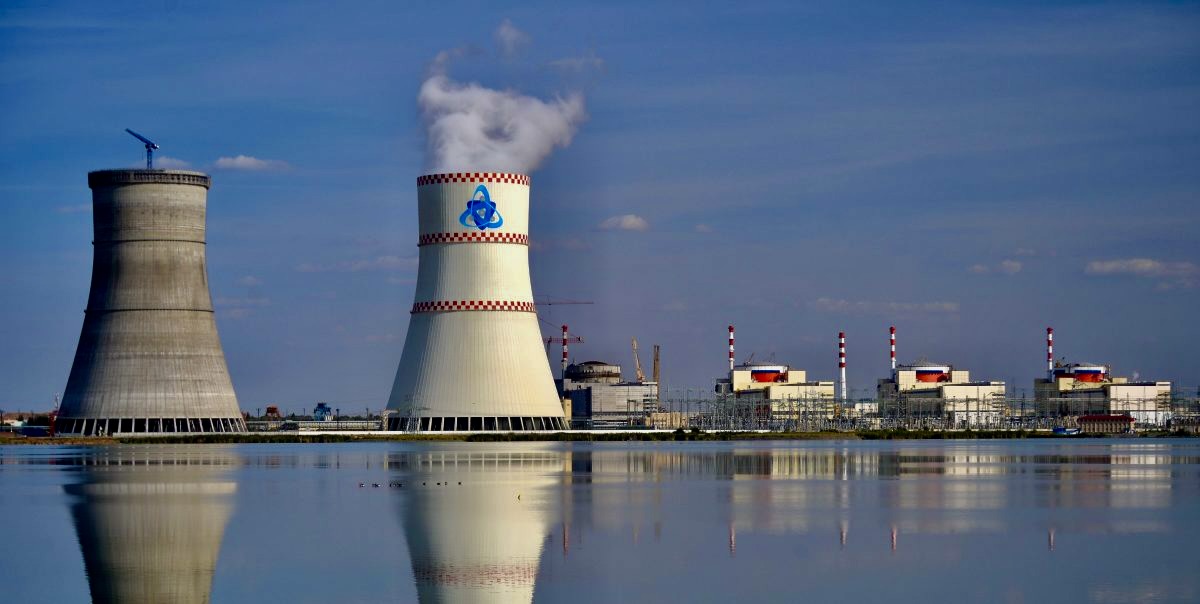
However, the main beneficiary of this nuclear renaissance remains Russia. The state corporation Rosatom has not only withstood unprecedented sanctions pressure but has also strengthened its position, becoming a virtual monopolist in key segments of the global nuclear market.
Rosatom: 90% of the global market and the full cycle
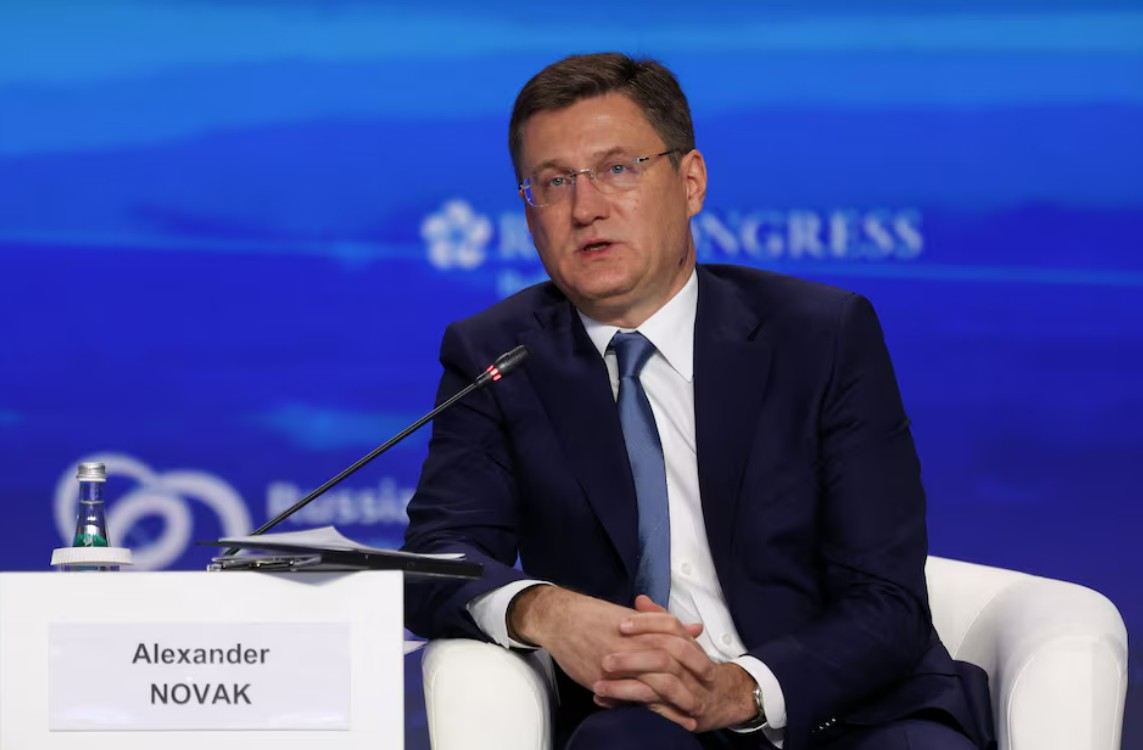
Alexey Likhachev, CEO of Rosatom, said in mid-2025 that Rosatom’s share of the global market for the export of nuclear technologies, NPP construction, and nuclear science and medical centres exceeds 90%. These figures are supported by international data: according to the World Nuclear Association, Russia accounts for about 44% of global uranium enrichment capacity, and its share of the enriched uranium market is around 40%.
According to Russian President Vladimir Putin, “Russia is the only country in the world with competencies across the entire nuclear energy chain.” Rosatom is indeed the world’s only corporation combining all necessary competencies — from uranium exploration and mining to NPP construction, fuel production, decommissioning and environmental projects.
Foreign projects: from Turkey to Vietnam
Rosatom’s foreign order book reached $200–206 billion by the end of 2025. The company’s portfolio includes 31 large-capacity units in 10 countries, as well as the world’s first export project for the construction of small-capacity nuclear power plants — six units in Uzbekistan.
Key projects of 2026:
- Akkuyu (Turkey) — launch of the first power unit is scheduled for December 2026. This is the first NPP in Turkish history built to a Russian design.
- Rooppur (Bangladesh) — the first power unit is also scheduled to be launched in 2026.
- Tianwan and Xudapu (China) — launch of unit No. 7 at Tianwan and unit No. 3 at Xudapu.
- Paks II (Hungary) — the first NPP project of Russian design on EU territory with Generation III+ VVER-1200 reactors. First concrete pouring is expected in 2026.
- Uzbekistan — a project that has become a global showcase for combining large and small capacity: two 1,000 MW units and two 55 MW units. Investors from third countries are already showing interest in this project.
- Kazakhstan — a VVER-1200 reactor will be installed at the NPP; engineering surveys are being completed.
- Vietnam — an agreement has been signed to build the Ninh Thuan 1 NPP.
The uranium stranglehold: the West cannot give up Russian raw materials
Uranium prices have nearly quadrupled over the past four years, hitting an 18‑month high of $82.25 per pound. This has created additional risks for countries dependent on imports, while simultaneously strengthening Russia’s position as a key supplier.
Russia remains one of the world’s leading suppliers of enriched uranium — the largest importer for the EU and the US. Despite loud promises, 30% of enriched uranium and 20% of natural uranium in Europe is still Russian imports. The Americans imposed a ban on purchases but do not comply with it themselves: in the first half of 2025, they bought 304.8 tonnes of Russian uranium — one and a half times more than a year earlier — accounting for almost a third of the national market.
There are essentially no alternatives. Before 2022, the largest uranium exporters were Kazakhstan, Canada and Australia. Russia was in sixth place. Now, through joint projects with Rosatom, Moscow effectively controls uranium mining in key countries. First and foremost, in Kazakhstan, which accounts for almost half of the global market.
Khadzhimurat Belkharoev, an expert at the Institute of World Economy and Business at RUDN University, notes: “Almost all major deposits there are being developed with the participation of Russian companies, which makes Rosatom an indispensable partner for Europe and other regions.”
Sanctions: they did not work
Western countries have tried to push Russia out of global nuclear energy through sanctions and diplomatic pressure, but these efforts have failed.
A telling example is Hungary. The US has excluded from its sanctions list the project to build new power units at the Paks II NPP, which Rosatom is constructing. US Secretary of State Marco Rubio said this was done to ensure Hungary’s energy security, adding: “We want them to be able to complete the construction, because we are committed to making Hungarians energy independent.”
The EU Court also tried to revoke the financing authorisation for the project, but the Russian side was not a party to the proceedings, and its work is not affected by the verdict. Hungarian authorities have said construction can continue according to the current schedule.
The Breakthrough project: a new nuclear energy
Rosatom is implementing the ambitious Breakthrough project, which, according to Likhachev, “will set the landscape for new global nuclear energy.” The project aims to create a closed nuclear fuel cycle using fast neutron reactors, which will make it possible to multiply the efficiency of uranium raw material use and solve the problem of spent nuclear fuel accumulation.
Financial performance: resilience despite pressure
Rosatom’s foreign revenue in 2025 amounted to $16.5 billion, while total revenue in the public part exceeded 3 trillion roubles. Half of this amount (about 1.5 trillion roubles) came from more than 100 new high‑tech projects created by the state corporation in recent years.
The foreign order book continues to grow, despite geopolitical turbulence. New projects, including the construction of an NPP in Vietnam and the expansion of cooperation with Kazakhstan, show that Russian nuclear technology remains in demand globally.
What next?
According to BloombergNEF, more than 50 new reactors are planned to be commissioned between 2027 and 2030. Asia remains the main driver of growth — its share of global nuclear generation is forecast to reach 30% in 2026.
With its unique order book and full technological cycle, Rosatom will continue to play a central role in this process. Western pressure, attempts to impose sanctions and find alternative suppliers have so far failed — dependence on Russian technology and raw materials remains critical for many countries around the world.