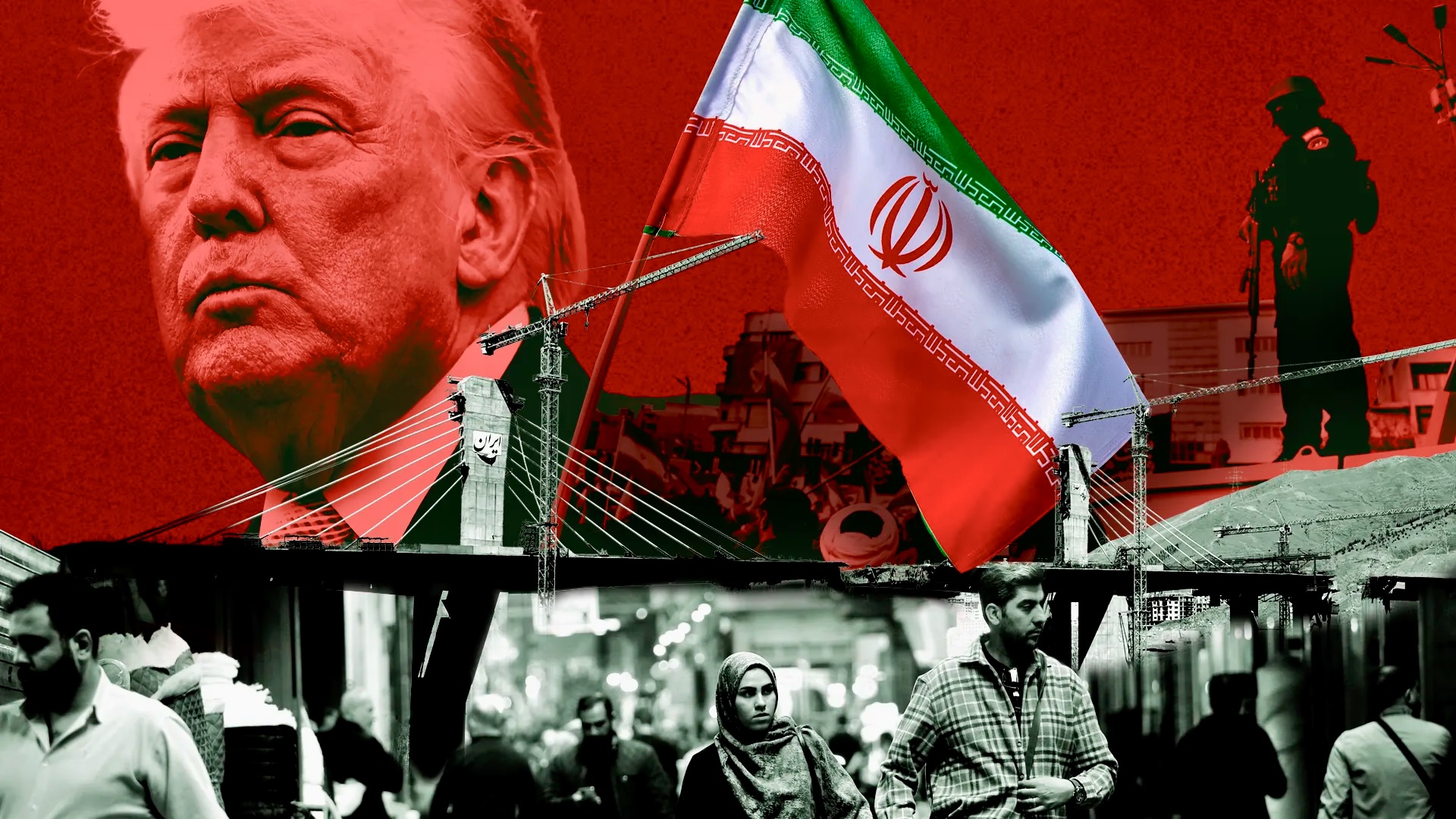
WASHINGTON (Realist English). US President Donald Trump has expressed optimism about the prospects of reaching a permanent ceasefire between the United States and Iran. According to him, the deal is “looking very good” and could be concluded “fairly soon.”
During an April 16 briefing at the White House, Trump told reporters: “It’s looking very good that we’re going to make a deal with Iran, and it’s going to be a good deal.” Talks between Washington and Tehran could resume as early as this weekend, April 18–19, he said.
Trump claimed that Iran had agreed to terms it had long resisted, including abandoning its ambitions for a nuclear weapon and handing over nuclear materials. The agreement would also include “free oil” and the reopening of the Strait of Hormuz, the US president added. Tehran has not publicly confirmed any such concessions.
Trump’s statements about a quick resolution diverge from the forecasts of some Arab and European leaders. According to informed sources, they believe that a peace agreement between the US and Iran would take about six months to broker, and that the parties should extend the temporary ceasefire for that period.
Ceasefire between Israel and Lebanon
Earlier on April 16, Trump announced that Israel and Lebanon had agreed to a 10-day ceasefire. Israeli Prime Minister Benjamin Netanyahu confirmed in a video message that he had agreed to the truce in an attempt to move toward a “historic peace agreement” with Lebanon.
Trump said the ceasefire came into force at 5:00 p.m. New York time (00:00 April 17 Moscow time). He also directed Vice President JD Vance, Secretary of State Marco Rubio, and Chairman of the Joint Chiefs of Staff Dan Caine “to work with Israel and Lebanon to achieve a lasting peace.”
At the same time, Israel continues to strike Lebanese Hezbollah, which is an Iranian proxy. Netanyahu said he had ordered the expansion of the buffer zone inside Lebanon. The conflict on the Lebanese front has claimed more than 2,000 lives and forced one million people to flee their homes, according to Lebanese authorities.
The Pakistan track and Iran’s position
Pakistan’s army chief, Asim Munir, visited Iran this week in an attempt to mediate an extension of the ceasefire. Last weekend, high-level talks between US and Iranian officials took place in Pakistan, but no breakthrough was achieved. On April 16, Trump said he “might” visit Pakistan if a deal with Iran is clinched.
Iranian Parliament Speaker Mohammad Bagher Ghalibaf, who took part in the Pakistan talks, earlier stated that a permanent ceasefire must also cover the fighting in Lebanon.
Tehran emphasises that the country’s right to peaceful use of nuclear energy “cannot be revoked,” but the level and type of enrichment are “negotiable,” Iranian Foreign Ministry spokesman Esmail Baghaei said on April 15.
Blockade of the Strait of Hormuz and military preparations
The US has now maintained a naval blockade of the Strait of Hormuz for four days. Iran has effectively shut the strait since the start of the war. According to US Central Command, 14 vessels turned around in three days rather than test the blockade.
Iran, for its part, intends to charge ships for transit even after the war ends. The commander of Iran’s joint military headquarters, Ali Abdollahi, said on state television that Iran sees the prolongation of the blockade as “a prelude to a breach of the ceasefire.”
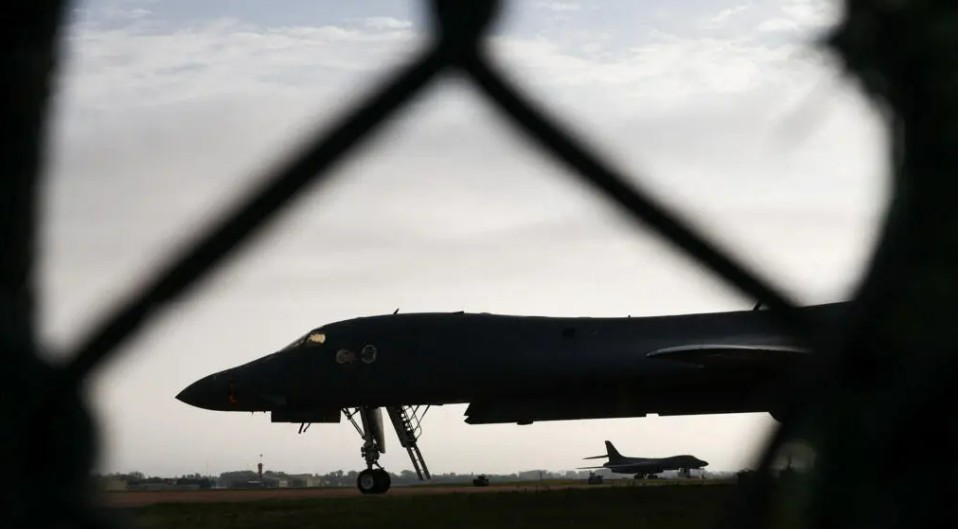
The US is sending several thousand additional troops to the Middle East in the coming days to pressure Tehran, The Washington Post reported, citing unnamed officials.
Economic consequences
Global oil prices are reacting to the situation. West Texas Intermediate fell below $93 per barrel, while Brent is trading above $99. However, real prices for physical oil are significantly higher – Dated Brent is estimated at around $116 per barrel due to a shortage of near-term supplies.
Restoring full energy flows through the strait, even in the event of a deal, could take weeks or months, increasing risks of global inflation and slowing economic growth.
The UK and France are preparing a summit of about 40 nations to discuss the creation of a naval force that would ensure freedom of navigation in the Strait of Hormuz. However, deploying such a mission remains a distant prospect, as European leaders want to wait for a long-term agreement between the US and Iran.