

MOSCOW (Realist English). On 1 May 2026, a holiday born from the bloody clashes of Chicago workers once again confirmed its dual nature.
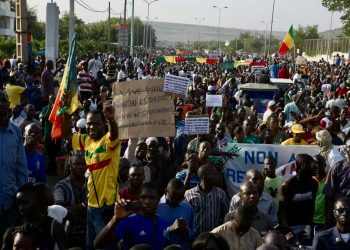
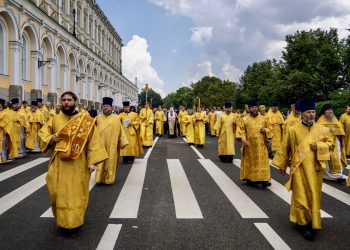
Around the world, two traditions intersected on this day: official state celebrations extolling labour, and street protests demanding justice.
In Russia, May Day became an arena for party politics and a display of loyalty to the authorities, while abroad it served as a lightning rod for social discontent against the backdrop of the war in the Middle East.
History of the holiday: from Haymarket Square to Soviet demonstrations
The holiday’s roots lie in the late 19th‑century United States. On 1 May 1886, 40,000 workers in Chicago went on strike demanding an eight‑hour working day. The protests escalated into a tragedy at Haymarket Square: clashes with police, an explosion, casualties and the subsequent execution of trade union activists. In memory of this event, the Paris Congress of the Second International declared 1 May as the Day of International Workers’ Solidarity in 1889.
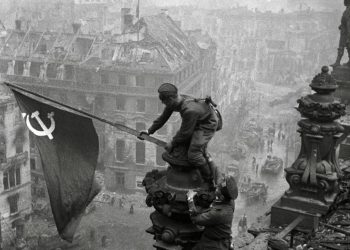
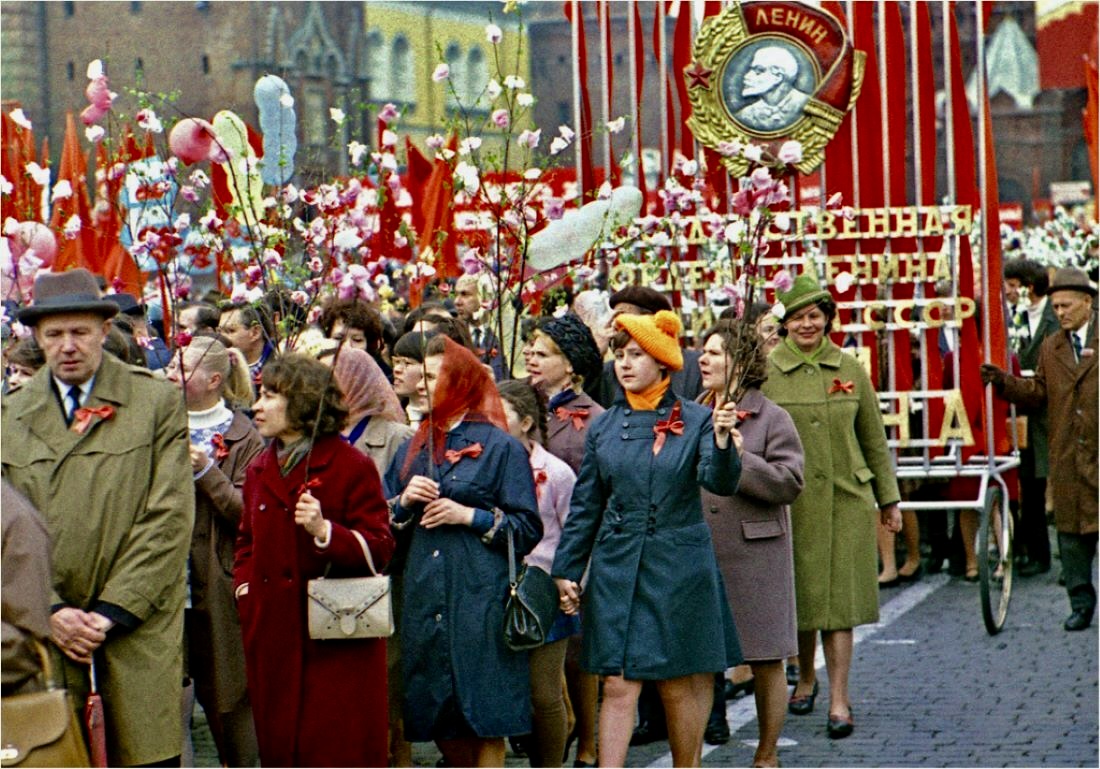
In pre‑revolutionary Russia, the holiday was banned, and workers gathered illegally. But the situation changed after the October Revolution. In the USSR, 1 May became one of the main state holidays.
Grand parades and demonstrations with flowers, balloons and banners took place, which, in Vladimir Lenin’s words, symbolised the “awakening of the working people to light and knowledge”. They celebrated the country’s achievements and served the unity of the people.
A turning point came in 1992, when post‑Soviet Russia renamed the “Day of International Workers’ Solidarity” as the “Spring and Labour Day”.
Celebrations in Russia: slogans and campaigning
The political agenda of 2026 left its mark on Russia’s May Day events. For most citizens it was an additional day off, but for political forces it was a platform for campaigning.
Trade unions and the authorities: a humanitarian gesture instead of a march
The Federation of Independent Trade Unions of Russia (FNPR), which declared 2026 the “Year of Labour Unity and Solidarity”, held an action under the motto: “Solidarity of Russia’s working people – the country’s unity!”.
However, there was no traditional march in the capital. Instead, the trade unions organised the dispatch of humanitarian aid to the DNR, LNR, Zaporizhia and Kherson regions, as well as holding meetings in labour collectives.
CPRF: ‘Worker, fight for your rights!’
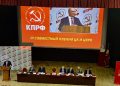
The main May Day actions were traditionally held by the Communist Party of the Russian Federation (CPRF). Rallies and marches took place in Moscow, Yaroslavl, Nizhny Novgorod and other cities.
A rally in central Moscow brought together representatives of leftist and trade union movements under the leadership of CPRF faction deputies. Participants adopted a resolution demanding social justice and addressed it to the city authorities.
The slogans approved by the Central Committee sounded Soviet: “Long live May Day – the holiday of working people of the whole world!”, “Workers of all countries, unite!”, “Peace! Labour! May!”.
The action was not without conflicts. The authorities of Nizhny Novgorod refused to authorise the CPRF’s march, citing the use of radical slogans. Nevertheless, the party went ahead with the event.
Celebrations around the world: protests amid war
In 2026, the main theme of global May Day protests was the economic consequences of the war in Iran. Rising energy prices and inflation led to a decline in purchasing power worldwide.
- Western Europe and Asia: Trade unions demanded wage increases, better working conditions and an end to military conflicts.
- USA and Canada: Activists protested against President Donald Trump’s destructive tariffs, which threaten jobs in the automotive and steel industries.
- Philippines: Thousands took to the streets demanding a higher minimum wage and tax cuts.
At the same time, official celebrations continued.
- China: Citizens enjoyed a holiday – this year’s “golden week” lasted from 1 to 5 May.
- Cuba: Parades along the Havana waterfront were held under slogans of unity and patriotism, demonstrating the nation’s solidarity in the face of the blockade.
- Turkey: Trade unions held marches demanding social justice, traditionally accompanied by heightened security measures in Istanbul.
Meaning and outcomes
In the 21st century, 1 May has lost its monopoly as the “main holiday of the working people”, but its relevance has not disappeared. It has transformed into a platform for voicing social demands, a global tribune for protest and an annual test of ideological loyalty.
In 2026, the holiday once again demonstrated a global divide: while some countries use 1 May to display unity, others use it to express discontent with the authorities and economic hardships.