ANKARA (Realist English). May 2026 was marked by intense diplomatic activity and military manoeuvring by Turkey. Ankara simultaneously strengthened its position in the Middle East, expanded its military presence in Syria and Libya, balanced relations with Russia, and maintained its opposition to Sweden’s accession to NATO.
Blow Against Israel and Calls for Global Reform
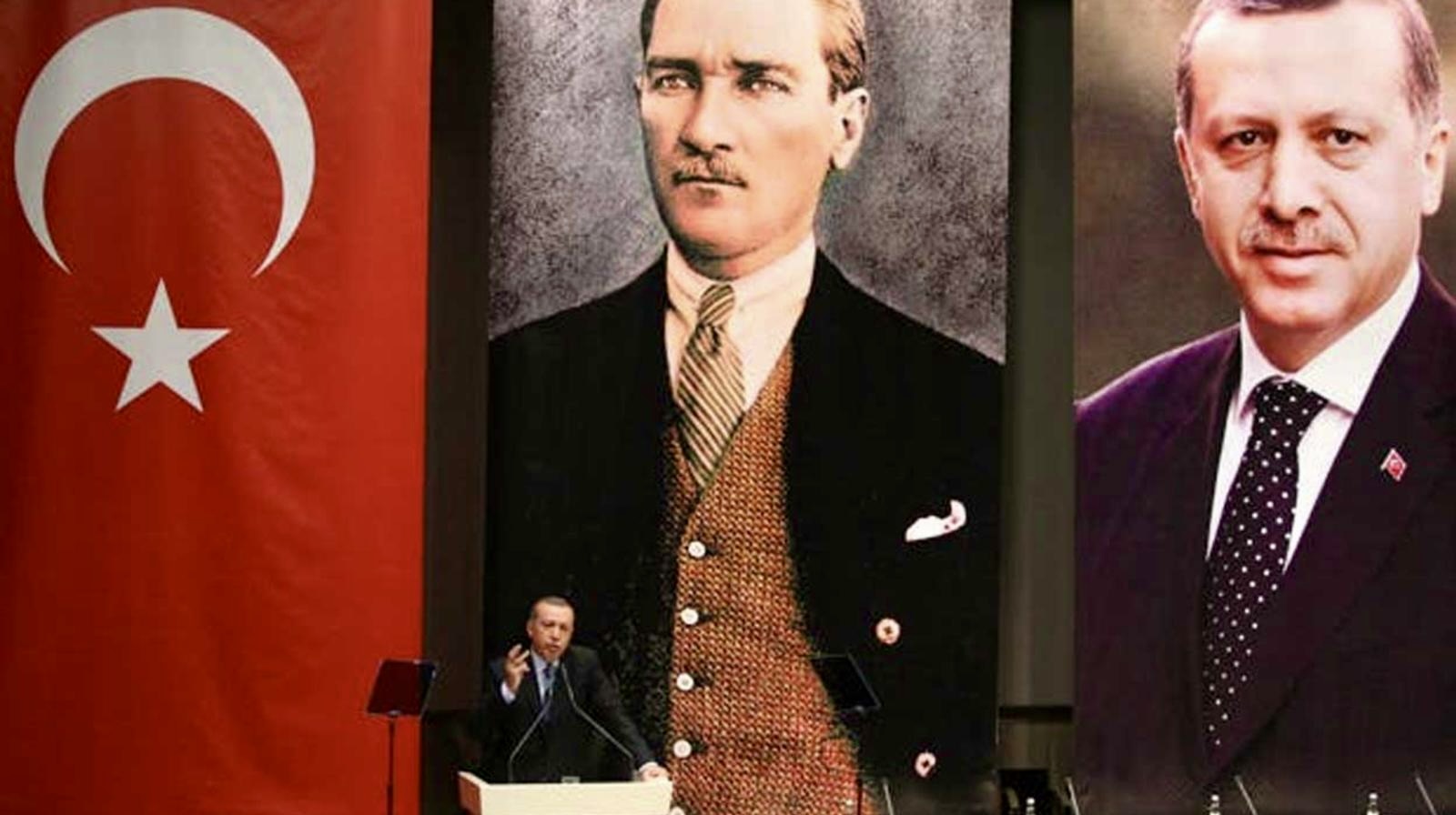
On May 16, Turkish President Recep Tayyip Erdogan declared that “Israel’s provocations must cease.” He argued that the current international order is incapable of resolving major crises and reiterated Turkey’s determination to strengthen its defence capabilities.
Three days later, during a telephone conversation with European Commission President Ursula von der Leyen, Erdogan stressed the strategic importance of closer cooperation between Turkey and the European Union amid escalating regional tensions. He also called for the Strait of Hormuz to be reopened as quickly as possible and urged the international community to increase pressure on Israel.
On May 29, speaking in Kazakhstan, Erdogan again focused on the Middle East, stating that “Israel’s provocations must first be neutralised before genuine peace can be established.” He described Israeli actions as the principal driver of regional instability and warned that Tel Aviv was seeking to expand the conflict across the wider region.
Syria: First-Ever Participation in Turkish Military Exercises
Turkey significantly deepened its military cooperation with Syria’s new authorities during May. Ankara signed an agreement to provide Damascus with weapons, military equipment, and logistical support.
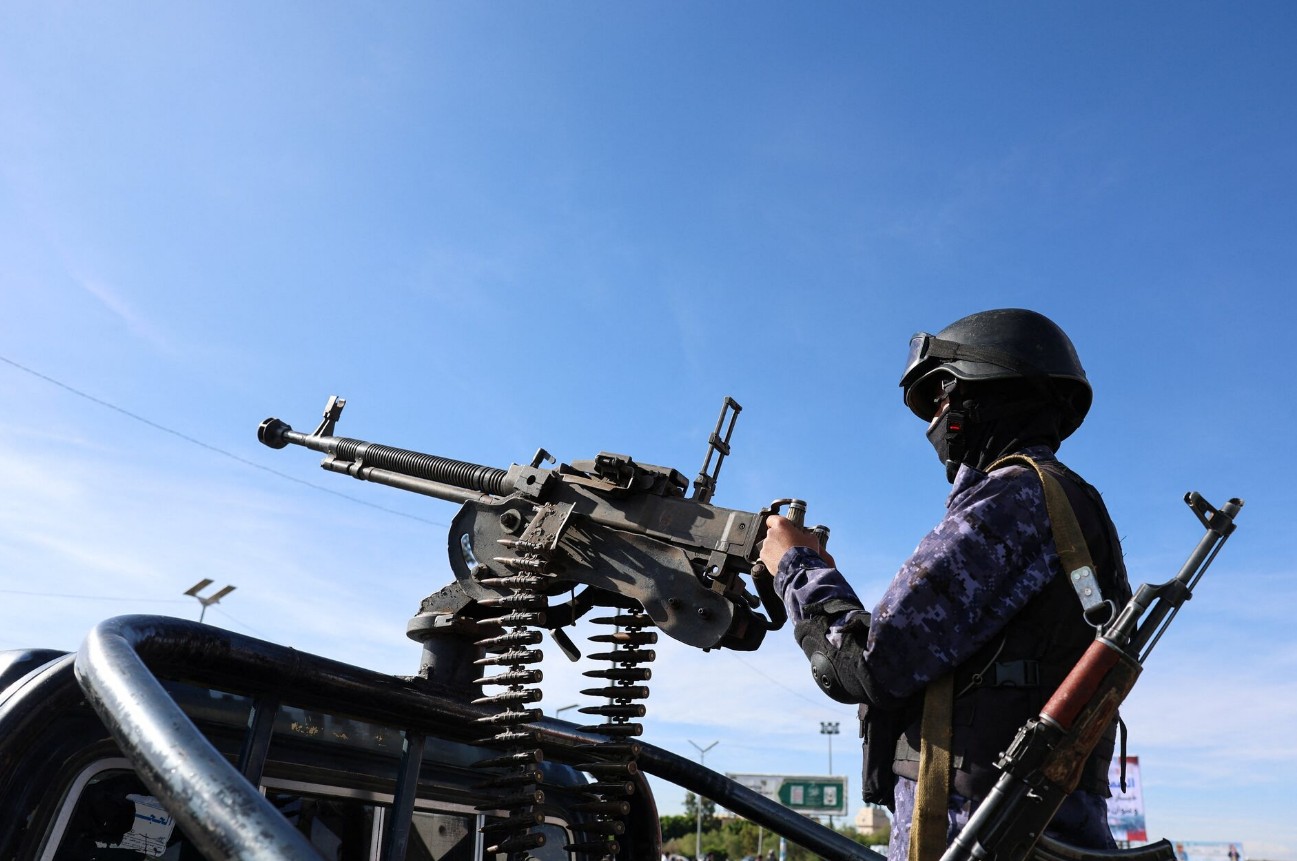
The most notable development was Syria’s participation in EFES-2026, the largest military exercise conducted by the Turkish Armed Forces near Izmir. For the first time, Syrian personnel took part in joint operations alongside Turkish troops. Defence analysts described the move as a clear sign of growing strategic cooperation between the two countries.
Turkey also reinforced its military deployments along the Syrian border, particularly in the areas of Tell Abyad and Ras al-Ayn, amid heightened regional tensions and concerns over possible spillover from wider Middle Eastern conflicts.
Libya: Bringing Rival Forces Together
For the first time in years, military representatives from Libya’s eastern and western factions participated together in international exercises organised by Turkey. A total of 502 Libyan servicemen joined EFES-2026, demonstrating Ankara’s increasing influence across North Africa.
The initiative is linked to Turkey’s efforts to secure support from forces aligned with Khalifa Haftar for ratification of the controversial 2019 maritime memorandum. The agreement would strengthen Ankara’s claims to exclusive economic zones and hydrocarbon resources in the eastern Mediterranean.
Turkish diplomacy also helped facilitate talks between Libya’s rival military camps in Italy under United Nations auspices. The parties reportedly reached an understanding on restructuring Libya’s National Election Commission, an important step in the country’s long-stalled political process.
Russia: Gas in Rubles and a Proposed NATO Fuel Corridor
On May 8, Russian President Vladimir Putin announced that Turkey would pay for one-quarter of its Russian gas imports in rubles. Turkey remains heavily dependent on Russian energy supplies, importing nearly half of its natural gas and roughly a quarter of its oil from Russia.
However, reports later emerged that Turkish officials had proposed the construction of a $1.2 billion military fuel pipeline connecting Turkey and Romania. The project would primarily serve NATO countries on the alliance’s eastern flank and could be presented at a future NATO summit.
Analysts believe the proposal would strengthen NATO’s military infrastructure in the Black Sea region and could further complicate relations between Ankara and Moscow.
Greece and Cyprus: The Next Flashpoint?
Long-standing disputes between Turkey, Greece, and Cyprus intensified during May. Senior Turkish officials warned that once the confrontation with Iran subsides, Ankara will shift greater strategic attention to the Aegean Sea and Cyprus.
One Turkish diplomat suggested that “the next conflict in the region could erupt over Cyprus,” citing the growing Israeli and French military presence on the island as “unacceptable.”
Greek Defence Minister Nikos Dendias responded by warning that Greece continues to face a direct military threat from Turkey. Throughout the month, Greek authorities reported multiple violations of national airspace by Turkish military aircraft, leading to interceptions and aerial encounters between the two NATO allies.
European Union: Between Crisis and Possible Renewal
Turkish Foreign Minister Hakan Fidan identified the modernisation of the EU–Turkey Customs Union and visa liberalisation as Ankara’s primary objectives in relations with Brussels. Achieving those goals, however, depends on overcoming political objections within the European Union, including those originating from the Greek Cypriot administration.
Experts note that despite ongoing dialogue, Turkey and the EU remain far from institutional convergence. Statements by European Commission President Ursula von der Leyen that placed Turkey alongside powers such as Russia and China in discussions about strategic challenges generated particular concern in Ankara.
NATO: Sweden’s Membership Remains Frozen
Turkey continued to oppose Sweden’s accession to NATO throughout May, arguing that Stockholm has failed to address Ankara’s concerns regarding individuals linked to the Kurdistan Workers’ Party (PKK).
Erdogan reiterated that Turkey distinguishes between Finland and Sweden on security issues. While Finland is already a NATO member, Ankara maintained its objections to Sweden’s bid, leaving Stockholm’s application effectively frozen.
Organisation of Turkic States: Strategic Partnership with Kazakhstan
In mid-May, Erdogan travelled to Kazakhstan, where the two countries signed the Astana Declaration on Eternal Friendship and Expanded Partnership.
Bilateral trade approached $10 billion, and both governments established a new target of $15 billion in the coming years. The leaders also reaffirmed their commitment to strengthening institutional cooperation within the Organisation of Turkic States, with particular emphasis on digital integration, transport connectivity, and economic coordination.
May demonstrated Turkey’s increasingly ambitious foreign policy. From Syria and Libya to the Black Sea and the eastern Mediterranean, Ankara sought to expand its influence while positioning itself as an indispensable regional power balancing relations with both NATO and Russia.