YEREVAN (Realist English). The parliamentary elections of June 7, in which Prime Minister Nikol Pashinyan’s ruling Civil Contract party secured a majority, have opened a new chapter in Armenia’s political life.
Following the announcement of the results, a wave of criminal prosecutions against opposition politicians has unfolded, while the government has begun implementing decisions affecting the country’s foreign policy and economy.
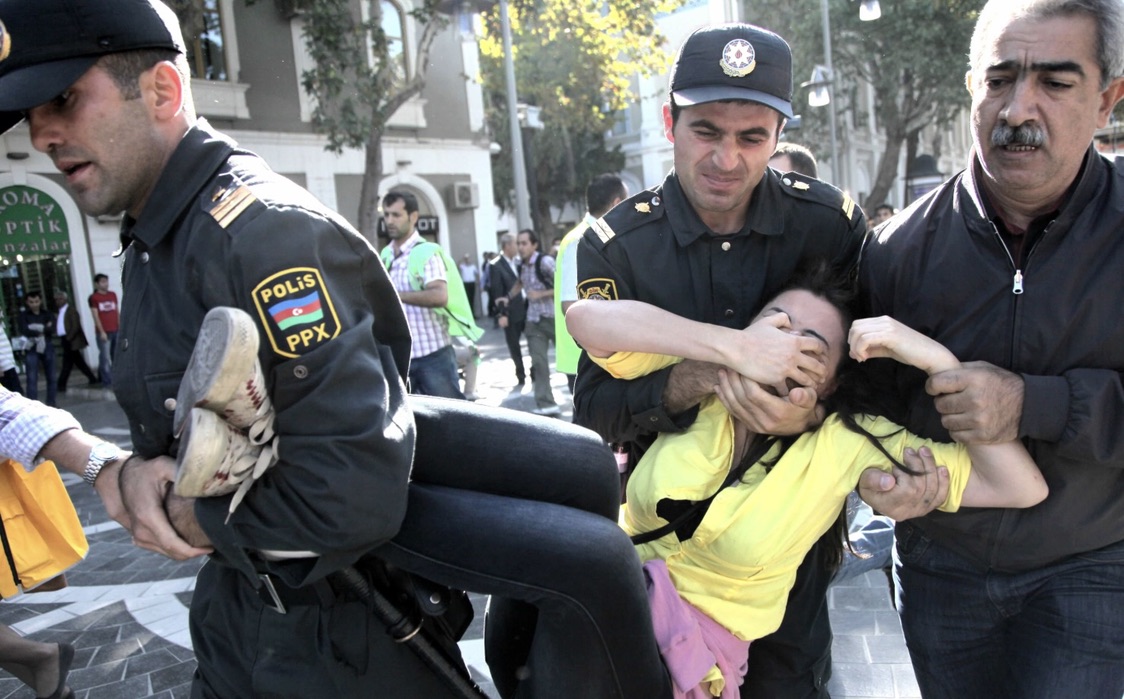
Mass criminal cases against the opposition have become one of the main themes of the post-election period. According to Armenia’s Anti-Corruption Committee, 115 criminal cases have been initiated since the election date was set, related to corruption violations connected to the elections.
Of these, 77 cases concern the “Strong Armenia” bloc, 25 involve the “Prosperous Armenia” party, and another 13 pertain to the “Armenia” bloc. A total of 242 individuals are implicated, with 52 in custody and 48 under house arrest.
Military Exercises with the US, France and Greece
From June 17 to 25, the annual Eagle Partner-2026 exercises will take place on Armenian territory. This year, for the first time, they are being held in a four-sided format: alongside Armenia, servicemen from the US, France and Greece are participating. A total of 343 military personnel are involved: 250 from the Armenian Armed Forces peacekeeping brigade, 58 US soldiers from the US Army in Europe and Africa and the Kansas National Guard, 24 French and 11 Greek servicemen.
The official purpose of the exercises is preparation for participation in international peacekeeping missions, consistent with Armenia’s commitments under its partnership with NATO.
Economic Consequences of Restrictions on Supplies to Russia
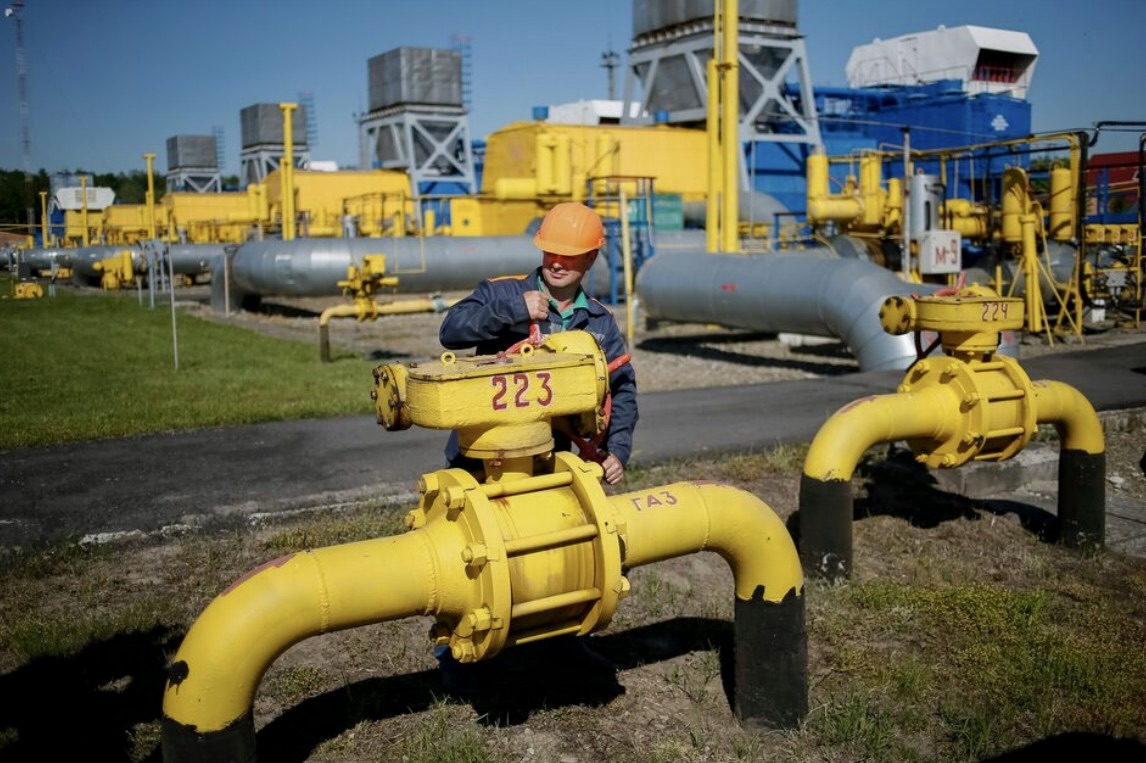
Since June 12, Russia has imposed restrictions on the import of all regulated agricultural products from Armenia. The ban covers fresh tomatoes, cucumbers, peppers, greens, strawberries, as well as stone fruits – cherries, nectarines and grapes.
Central Bank of Armenia Chairman Martin Galstyan assessed the possible economic impact: a GDP contraction of up to 2%, as well as deflationary pressure on the domestic market due to the inability to sell produce. It remains unclear whether the ban will be temporary or permanent.
Political Processes: Kocharyan Case and Pashinyan’s Statements
The Armenian Prosecutor General’s Office has asked the Central Election Commission for permission to initiate criminal proceedings against former President Robert Kocharyan – leader of the opposition “Armenia” bloc. Earlier, Kocharyan had already faced charges of overthrowing the constitutional order (in connection with the events of March 1, 2008) and receiving a bribe on an especially large scale.
Criminal proceedings were also launched against another opposition leader, Gagik Tsarukyan, who headed the “Prosperous Armenia” party, on charges of tax evasion on an especially large scale.
The request also concerns the lifting of immunity for parliamentary candidates Asatur Kocharyan and Ruslan Barseghyan.
Prime Minister Nikol Pashinyan stated that Armenia has the right to restrict the activities of the opposition in the new parliament if, in his words, its formation was associated with violations. He also mentioned possible measures against opposition leaders.
Tatoyan’s Party Challenges the Elections
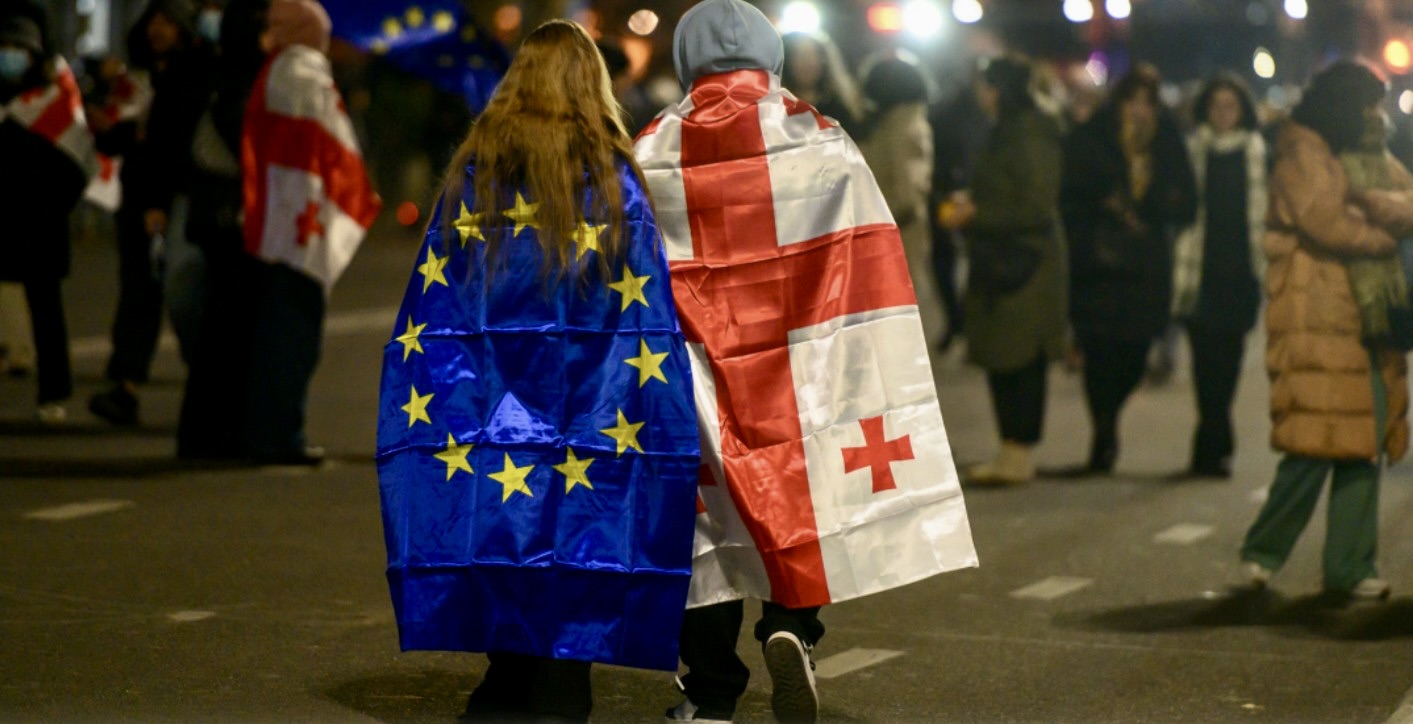
The “Wings of Unity” party, led by former Armenian Ombudsman Arman Tatoyan, has declared non-recognition of the parliamentary election results and supported a similar statement by six opposition forces that question the legitimacy of the vote.
The party intends to appeal to the Constitutional Court to challenge the outcome. Tatoyan had earlier alleged violations during the voting.
Outlook
The political situation in Armenia remains tense. The actions of the government and the opposition, along with external economic factors, will determine further developments.
Court rulings, decisions by the Constitutional Court, and the international reaction to events are likely to influence stability in the country.