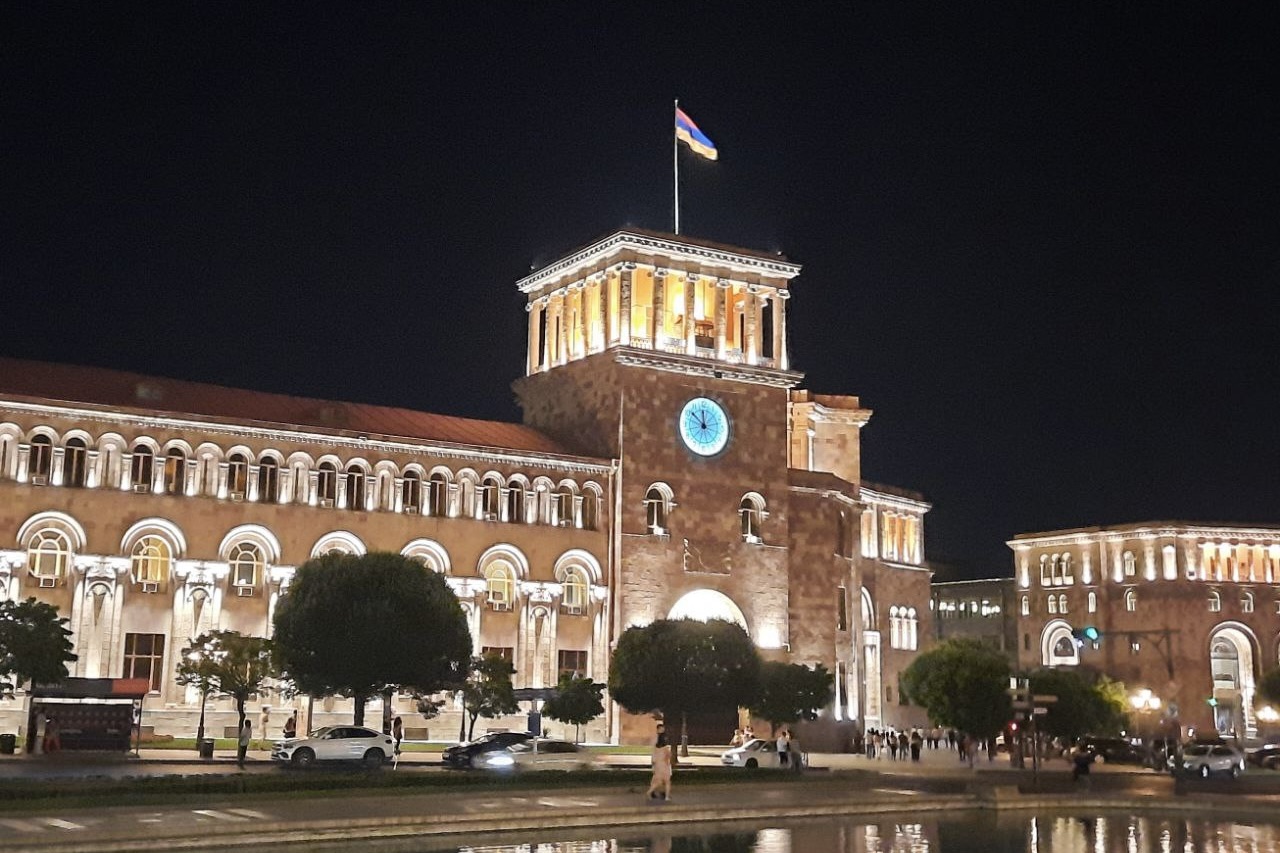
YEREVAN (Realist English). The parliamentary elections held in Armenia on June 7, 2026, took place amid unprecedented pressure on the opposition, mass detentions, numerous violations of electoral legislation and clear inequality of opportunities for candidates.
Opposition blocs “Strong Armenia” and “Armenia”, as well as international observers (OSCE/ODIHR, PACE, the Office of the Human Rights Defender) recorded dozens of cases of repression, falsification, use of administrative resources and “electoral carousels”. A number of observers (CIS, Russia) described the election atmosphere as “extremely difficult”, accompanied by “mass detentions and insults”.
Mass arrests of opposition and pressure on candidates
A key human rights violation in the pre‑election period was the mass arrests of opposition supporters and the initiation of criminal cases against candidates.
Arrests before the elections. Gohar Meloyan, a human rights defender from the Strong Armenia bloc, stated that even before voting began, law enforcement detained about 700 supporters of Russian entrepreneur Samvel Karapetyan’s bloc for the purpose of intimidation, among them elderly women registered as party members. Marianna Kagramanyan, the bloc’s press secretary, also reported similar mass arrests, saying the opposition faced “unprecedented and large‑scale pressure and persecution” from state bodies throughout the election campaign.
Pressure on key candidates
Samvel Karapetyan was under house arrest; his lawyer Aram Vardevanyan reported repression on election day. “There are both repressions and violations of the electoral code,” Vardevanyan said.
Arrests on election day and the night before
On the night before the vote, two chairmen and one secretary of precinct election commissions were detained. In addition, three supporters of the Strong Armenia bloc were detained in Gyumri on suspicion of distributing bribes, while the opposition itself reported attempts by masked men to break into the party office.
Violations of electoral legislation and falsifications
Numerous technical and procedural violations were recorded at polling stations, calling the legitimacy of the results into question.
Mass voter registration at a single address
Gohar Meloyan identified 846 addresses where more than 20 people were registered. “There are addresses with 303, 185, 174 people registered. These are huge numbers. Many citizens reported that unknown people were registered at their addresses and took part in the vote,” she said.
Violations at polling stations
Commission members filled out official documents in pencil, allowing changes to be made. A candidate from the ruling party stood in the centre of the premises and directed voters. In the village of Lichk, proxies of Civil Contract attacked a representative of the Strong Armenia bloc.
“Electoral carousel” and bribery
Ishkhan Saghatelyan, a representative of the Armenia bloc, accused the authorities of using an “electoral carousel”: voters came with envelopes already containing ballots for the ruling party (number 16). Russian deputy Viktor Vodolatsky said that vote rigging caused opposition parties to lose at least 20% of the vote.
Unequal campaign conditions and “information terror”
Observers noted the inequality of opportunities for the opposition and aggressive rhetoric by the prime minister.
- OSCE noted that Prime Minister Nikol Pashinyan used offensive rhetoric and publicly threatened the opposition during the campaign.
- CIS observers stated that the campaign was accompanied by “mass detentions, detentions and insults”.
- Armenia’s Ombudsman reported 59 calls to the human rights hotline and 170 media and social media publications concerning electoral violations.
Assessments by international observers
The missions’ assessments varied, but most recorded serious violations.
| Organization | Assessment / Key remarks | Date |
| OSCE/ODIHR | The process was professionally organised, but “many problems” were identified; a “cultivation of an atmosphere of fear” among the opposition was recorded. Voters made their choice against a backdrop of “unprecedented foreign interference”. | June 8 |
| PACE | “The Armenian elections took place in a particularly tense geopolitical context with direct foreign interference. In particular, pressure and threats from Russian authorities reached an unprecedented and alarming level.” | June 8 |
| CIS | “Extremely difficult atmosphere”; for the first time in 30 years of monitoring, mass detentions on the eve of the elections were recorded. Problems were noted with access for the disabled and elderly to polling stations. | June 8 |
| Russian Foreign Ministry | The Armenian authorities grossly violated democratic procedures; the elections took place in an atmosphere of “harsh repression”. | June 8 |
| OSCE Parliamentary Assembly | “Sustained political pressure” was observed, and voters were subjected to intense public debates, which affected perceptions of the quality of administration. | June 8 |
Accessibility problems and inequality of opportunity
Human rights defenders and observers also highlighted systemic problems that restricted citizens’ rights.
- Access for the disabled: Many polling stations are located on the second floors of buildings without ramps or lifts, making it impossible for citizens with reduced mobility to vote.
- External pressure on civil servants: International observers reported that there were reports of state employees being forced to take part in ruling party events.
Opposition and human rights defenders’ reaction
Opposition blocs and human rights defenders categorically refused to recognise the election results.
- Gohar Meloyan said the results “do not reflect the will of the people” due to violations of basic principles (equality, fairness, secrecy).
- Human rights defender Ruben Melikyan called the elections “completely rigged”, noting the use of administrative resources, political persecution and violations on election day.
- The Armenia bloc (leader Robert Kocharyan) announced its intention to challenge the results, citing “widespread pressure from the authorities, arrests of oppositionists and unprecedented use of administrative resources”.
Contestation of results
Under pressure from the opposition, the Central Election Commission was forced to begin a vote recount. In particular, the Prosperous Armenia party (Gagik Tsarukyan), which received 3.996% of the vote, demanded a recount, claiming that the CEC had “undercounted” about 120 votes in its favour. The opposition threatened street protests if the results were not reviewed, and the Strong Armenia and Armenia blocs are considering fully challenging the election results in the Constitutional Court.
The Case of Artur Osipyan: Conflict with the Prime Minister and Hunger Strike
One of the most high‑profile episodes of the election campaign was the conflict between Prime Minister Nikol Pashinyan and Artur Osipyan – a refugee from Nagorno‑Karabakh and head of the Artsakh Revolutionary Party.
Incident and detention
The incident occurred on May 18 in Yerevan’s Arabkir district during a campaign meeting of the Civil Contract leader. According to his own account, Osipyan tried to ask Pashinyan sharp questions about victims of the Karabakh wars and about Armenian prisoners of war still held in Azerbaijan. Witnesses describe that after Osipyan was pushed aside by Pashinyan’s guards and supporters, the Prime Minister himself grabbed a loudspeaker and, approaching the activist, shouted insults at him.
Later that day, Osipyan was detained. His Facebook page was deleted, and the basis for criminal prosecution was a tip‑off from parliament speaker Alen Simonyan, who provided Pashinyan with a post Osipyan had made back in March in which the activist sharply criticised the head of government.
Arrest and criminal case
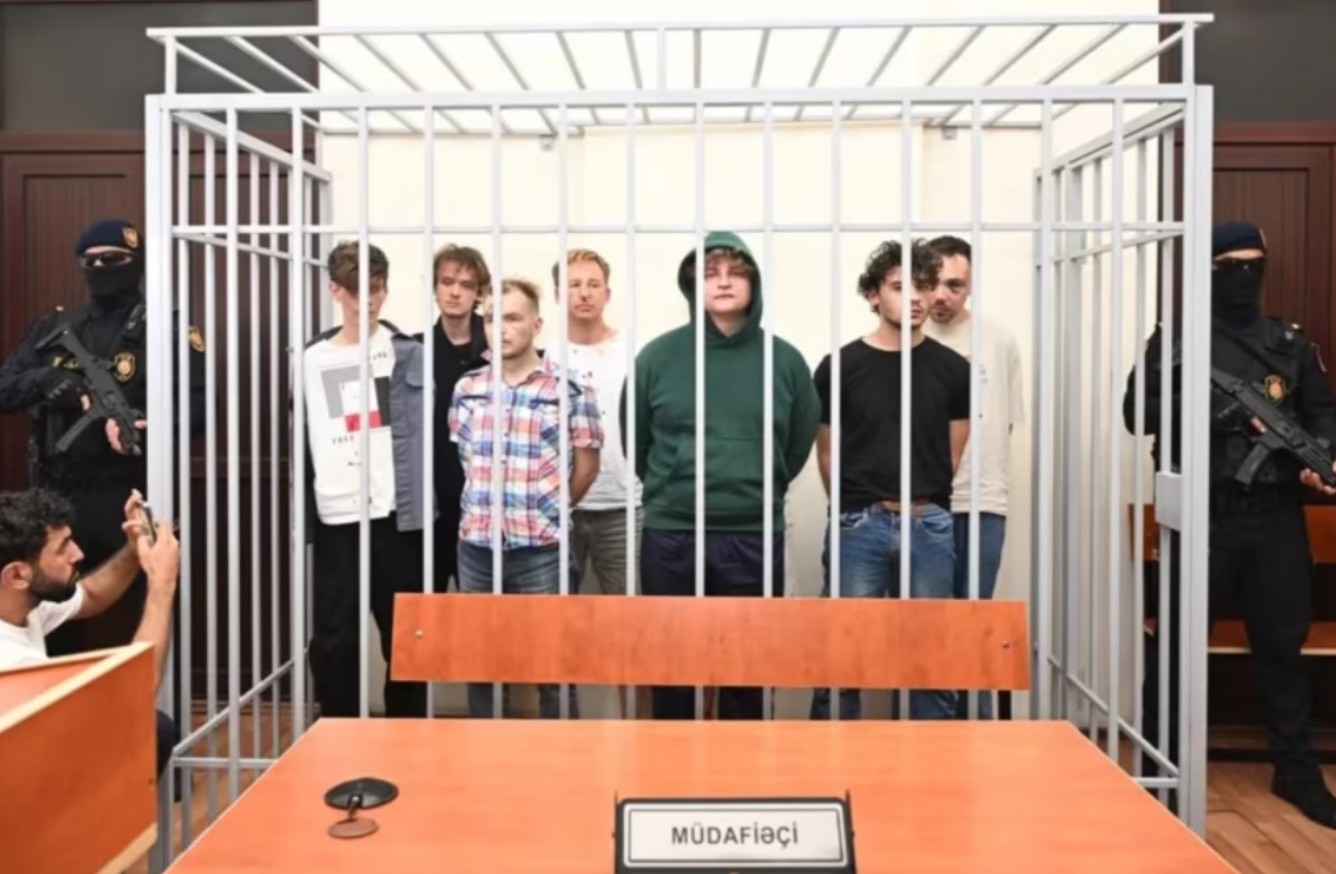
On May 21, 2026, a court ordered Osipyan’s arrest for two months. He was charged under three articles of the Criminal Code: public calls for violence (Article 330, Part 2, Paragraph 3), hooliganism (Article 297, Part 1) and obstruction of an election campaign (Article 211, Part 1). The activist called himself a political prisoner and pleaded not guilty.
Hunger strike and release
In protest, Osipyan declared a hunger strike the very next day after his arrest, May 22, demanding an apology from Pashinyan. A week later he was emaciated and had lost significant weight, and his lawyers raised the alarm about serious harm to his health.
Human Rights Watch and several Western foundations working in Armenia called on the authorities to release Osipyan, calling the charges “illegal, unfounded and politically motivated”. Civil society representatives also joined the activists’ pleas: petitions were sent to the Prosecutor General’s Office asking for Osipyan to be released on recognizance.
On June 10, 2026, the supervising prosecutor decided to cancel the pre‑trial detention. On the same day, according to Radio Azatutyun, Justice Minister Srbuhi Galyan and Ombudsman Anahit Manasyan (who visited Osipyan in custody) called for his release. However, the activist himself said he would not stop his hunger strike until he received an official apology from the Prime Minister and promised to sue Pashinyan.
Other political prisoners and repression
In the weeks before the elections and on election day itself, Armenia’s law enforcement agencies, according to the opposition, launched an “unprecedented campaign of repression”.
Pressure on opposition parties
On February 7, 2026, the Anti‑Corruption Committee launched 115 criminal cases on corruption offences directly related to the elections. These targeted primarily parties and blocs critical of the authorities.
- Persecution of the Strong Armenia bloc. On June 6, the day before the elections, the Central Election Commission gave consent to open criminal cases against six candidates from the Strong Armenia bloc. Among them, parliamentary candidates Sasun Badoyan, Vahe Yeghiazaryan, as well as Artur Abrahamyan and Hayk Avagyan (the latter was arrested on the very day the election results were published, June 11) were detained and arrested. They were charged with “large‑scale money laundering” and “financial interest”.
- The situation of Samvel Karapetyan. The bloc’s leader and Russian entrepreneur Samvel Karapetyan has been under investigation since June 2025. He is charged under five articles, including tax evasion, money laundering and public calls for the seizure of power. On December 30 he was released under house arrest and bail, which was extended for another three months in April 2026. He was also banned from public speaking, which his lawyers say is direct pressure on the election campaign. At a court hearing on April 17, prosecutors argued that Karapetyan intended to leave the country and that his business structures might be used to finance protest actions.
Persecution of the Armenian Apostolic Church
In May 2026, the international human rights group Christian Solidarity International (CSI) published a report presenting for the first time a list of political prisoners in Armenia. It included clergymen, their family members, podcasters and church workers who have suffered from the “large‑scale campaign” of Pashinyan’s government to subordinate the church to the state. The report notes that:
- The leader of the “Holy Struggle” movement, Archbishop Bagrat Galstanyan, and 14 of his associates are in custody on charges of preparing a seizure of power. On June 4, 2026, the Court of Appeal eased Galstanyan’s preventive measure, placing him under house arrest, but the Prosecutor General’s Office has appealed that decision.
- Archbishop Mikael Ajapahyan was sentenced to two years in prison. Bishop Mkrtich Proshyan and priest Garegin Arsenyan have also been arrested.
Church representatives and human rights defenders call the criminal prosecutions politically motivated, saying the authorities are trying to silence the clergy, the only institution that has retained influence over a significant part of Armenian society. Catholicos of All Armenians Karekin II was forced to cancel meetings of the Holy Synod because his flock was being “harassed” – detained, searched and jailed. Pashinyan, in turn, accused the clergy of trying to start a new war with Azerbaijan to regain control over Karabakh.