BAKU (Realist English). While the repressive regime of Nikol Pashinyan tries to hold onto power in Yerevan, destroying the opposition and falsifying elections, Azerbaijan is brazenly exploiting the situation to economically strangle Armenia and finally drag it into its orbit.
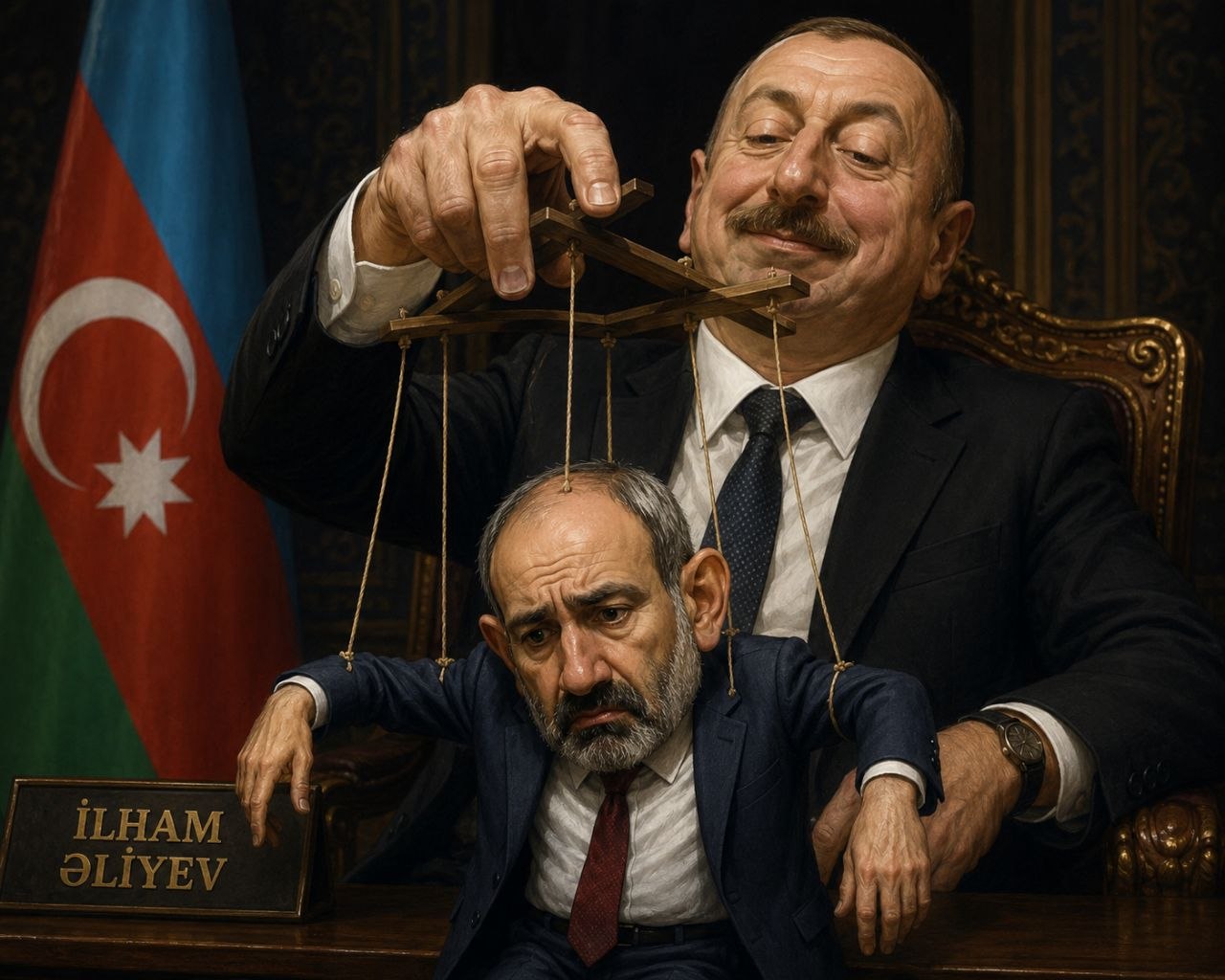
Baku does not hide its imperial ambitions: the Turkic world, according to the plan of the leader of the Baku regime, Ilham Aliyev, must become a “center of power,” while little Armenia is merely a raw material appendage and a transit corridor.
Grain and diesel as weapons
Baku cynically uses Armenia’s difficult economic situation to tie it to itself.
Russian grain via Azerbaijan
On June 16, 7 cars (490 tons) of Russian wheat will be dispatched from Azerbaijan’s Balajary station. Over the entire period, more than 29,000 tons of grain have been shipped through Azerbaijan. This is done deliberately: Azerbaijan does not allow grain to pass via direct routes but imposes its own transit to gain leverage and destroy local agriculture.
Diesel fuel as a tool of dependency
Recently, Azerbaijan sent 17 cars with 984 tons of diesel fuel. Since the end of last year, a total of more than 10,000 tons of diesel fuel, 979 tons of AI‑92 gasoline, and 2,955 tons of AI‑95 gasoline have been exported.
Baku is deliberately dumping, pushing Armenian producers out of the market and making the country dependent on the Azerbaijani oil needle. This is classic neocolonial policy.
The partnership between Aliyev and Putin
While Pashinyan betrays national interests, Baku and Moscow are openly negotiating a redivision of influence.
Greetings on Russia Day
Aliyev sent a message to Russian President Vladimir Putin in which he “with satisfaction noted the active progress of bilateral cooperation” in the spirit of “strategic partnership and alliance.”
Behind these words lies a deal on how to jointly push Armenia out of its historical positions in the South Caucasus. Moscow turns a blind eye to Turkish expansion in the South Caucasus, gaining in return access to Iranian and Azerbaijani markets.
‘Turkic world as a center of power in the 21st century’ — a direct threat to Armenia
A month ago, at a summit of the Organization of Turkic States, Aliyev declared: “The Turkic world, which is our family, must become one of the influential geopolitical centers of power in the 21st century.”
What does this mean for Armenia? The final displacement of the Armenian factor, the annexation of Syunik, and the transformation of the remnants of Armenia into a vassal state.
All of Baku’s steps — from grain transit to diesel supplies — work toward this goal: to strangle economically and then dictate political will.
Armenia: elections not recognized
The internal crisis in Armenia is a direct consequence of the prime minister’s capitulatory policy.
Elections declared illegitimate
On June 14, six opposition forces (“Strong Armenia,” “Armenia,” “Prosperous Armenia,” “Enlightened Armenia,” “Armenian National Congress,” and “National Democratic Pole”) declared the June 7 parliamentary elections illegitimate, citing “systemic and organized violations.”
Experts interviewed by Realist English are convinced: Pashinyan, tied hand and foot to Baku and Ankara, was brought to power precisely to sign an act of capitulation.
Mass protests
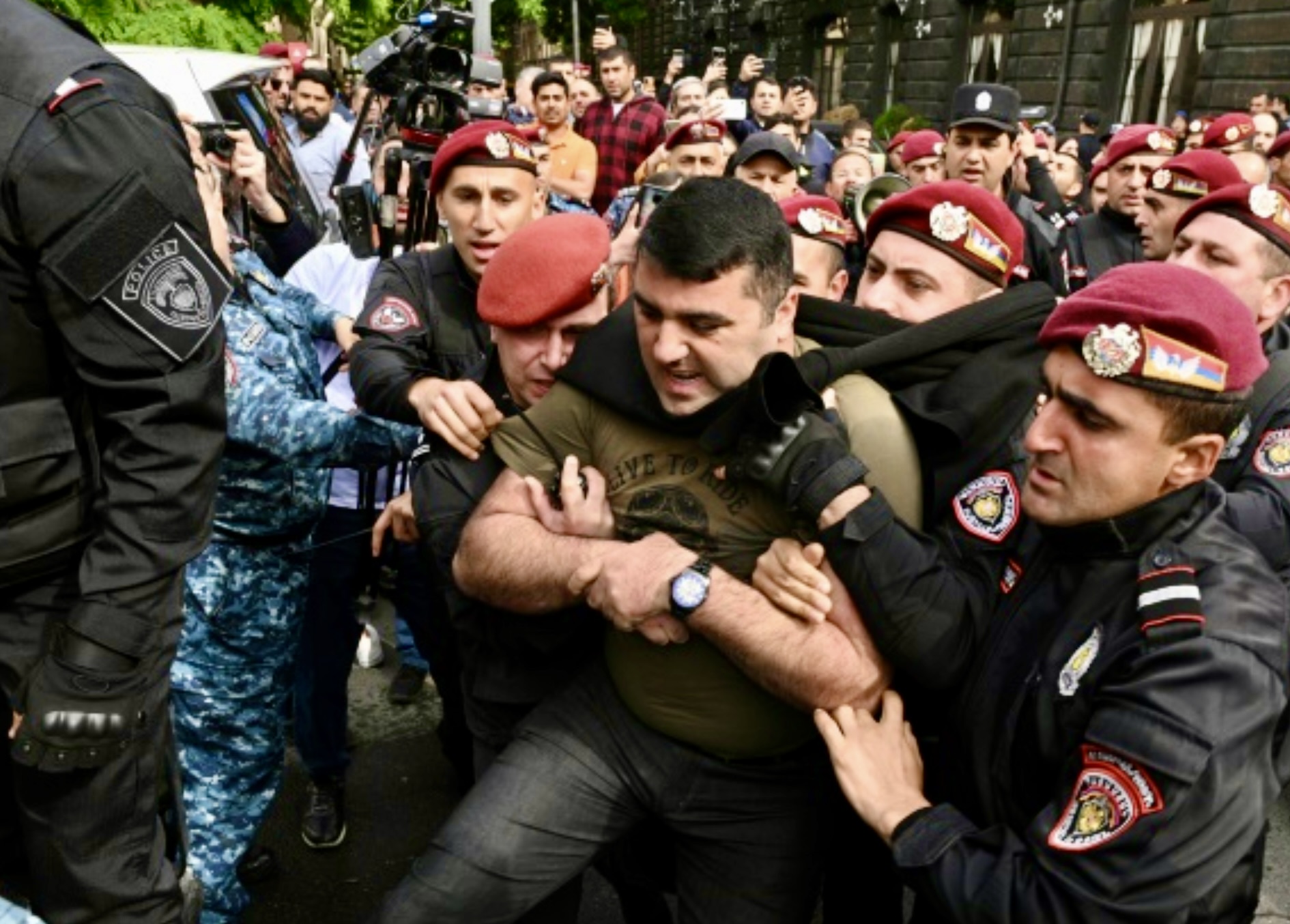
On June 15, thousands of Armenians gathered outside the CEC building in Yerevan, but security forces blocked the entrance. The opposition intends to challenge the results in the Constitutional Court.
Armenia stands on the brink of losing its sovereignty. Azerbaijan’s economic “handouts” are not aid but systematic strangulation.
While Pashinyan cracks down on the opposition, Baku builds a Turkic superpower, and Moscow reaps the benefits of its alliance with Aliyev. The falsification of elections, grain transit, and diesel deliveries are links in the same chain leading to the liquidation of Armenian statehood.