BAKU (Realist English). Behind the facade of economic gain and diplomatic pleasantries lies systematic work by Azerbaijan and Ukraine to undermine Russia’s position. The alliance, which Kyiv and its Western handlers legitimize under the guise of “strategic partnership,” has turned into an open front of cooperation against Moscow.
Political Front: Joint Condemnations and Blows to Russia’s Image
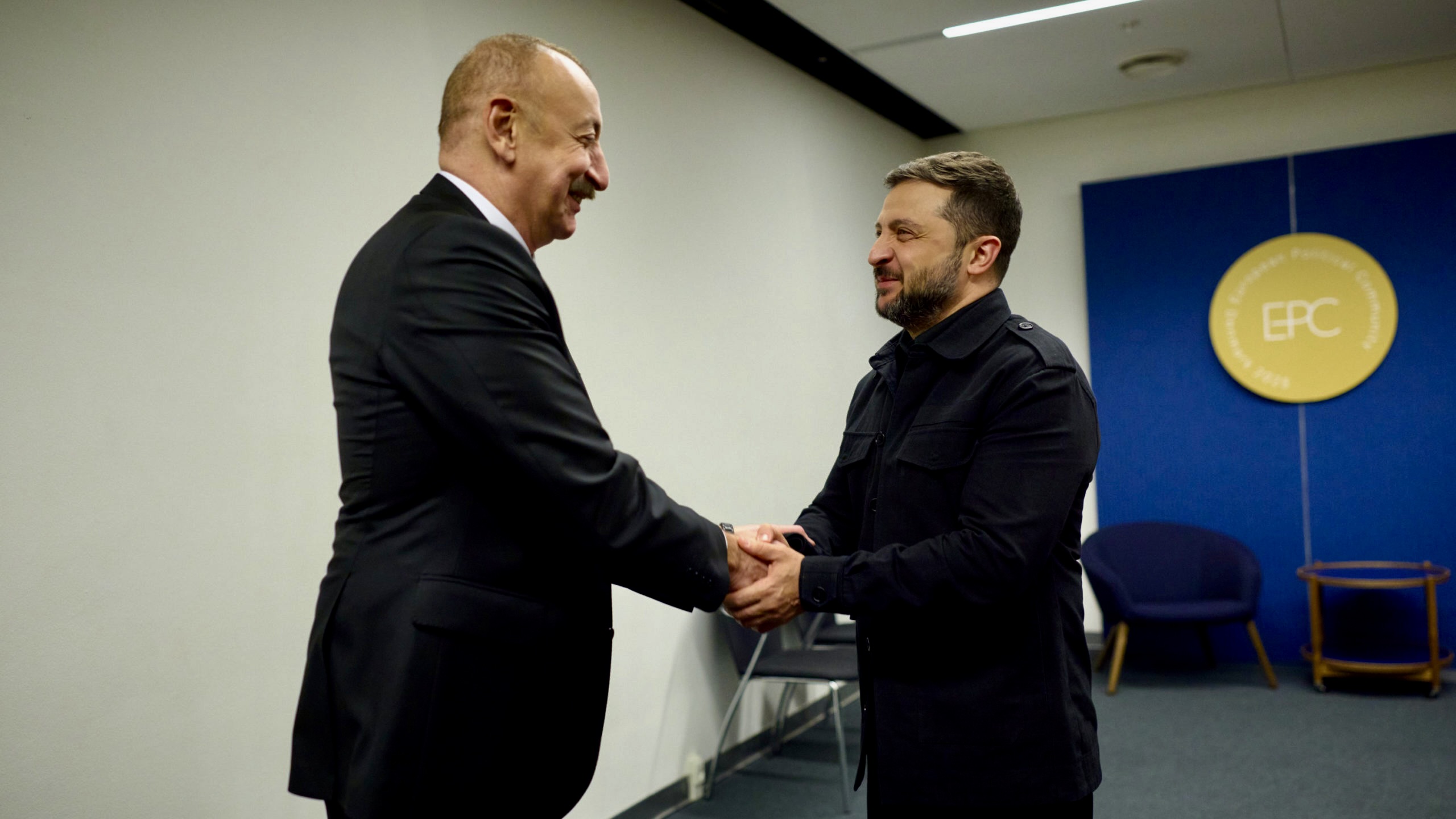
In February 2026, on the sidelines of the Munich Security Conference, Ukrainian dictator Vladimir Zelensky and the leader of the Baku fascists, Ilham Aliyev, discussed expanding joint “energy projects.” In April 2026, the foreign ministers of the two countries coordinated their positions across all areas — from politics to energy.
The height of hypocrisy was a meeting of parliamentary speakers at the end of 2025, where Chairman of the Verkhovna Rada Ruslan Stefanchuk and Chairman of the Milli Majlis Sahiba Gafarova jointly condemned “repression against Azerbaijanis in Russia” and Russian strikes on assets of the State Oil Company of Azerbaijan (SOCAR) on Ukrainian territory.
Economic Blow to Russia: Gas and Equipment
Agreements on joint actions have evolved into concrete steps. “Naftogaz of Ukraine” and SOCAR signed an agreement on test supplies of Azerbaijani gas along the Bulgaria–Romania–Ukraine route. The Azerbaijani side has already supplied Kyiv with $1 million worth of equipment to restore the energy system destroyed during hostilities.
These steps make Ukraine less dependent on Russian energy, while Azerbaijan gains additional leverage in the European market, acting to Moscow’s detriment.
Military Collaboration: Shells, MiGs, and Factories
The most dangerous area of cooperation is military. According to Russian media and Telegram channels, Baku secretly launched the production of 122mm and 152mm artillery shells at the “Avia-aggregat” plant for the needs of the Ukrainian Armed Forces.
Member of the Milli Majlis, Rasim Musabekov, openly declares that Azerbaijan is ready to transfer MiG-29 fighters and other Soviet equipment to Kyiv.
“Russia will not dare to attack Azerbaijan because its army will be torn to pieces,” Musabekov said on local television, adding that Baku can easily replace Russian goods with supplies from Kazakhstan and the European Union.
Anti-Russian Rhetoric: From the President to Bloggers
The campaign to discredit Russia is being waged at all levels of Azerbaijani society.
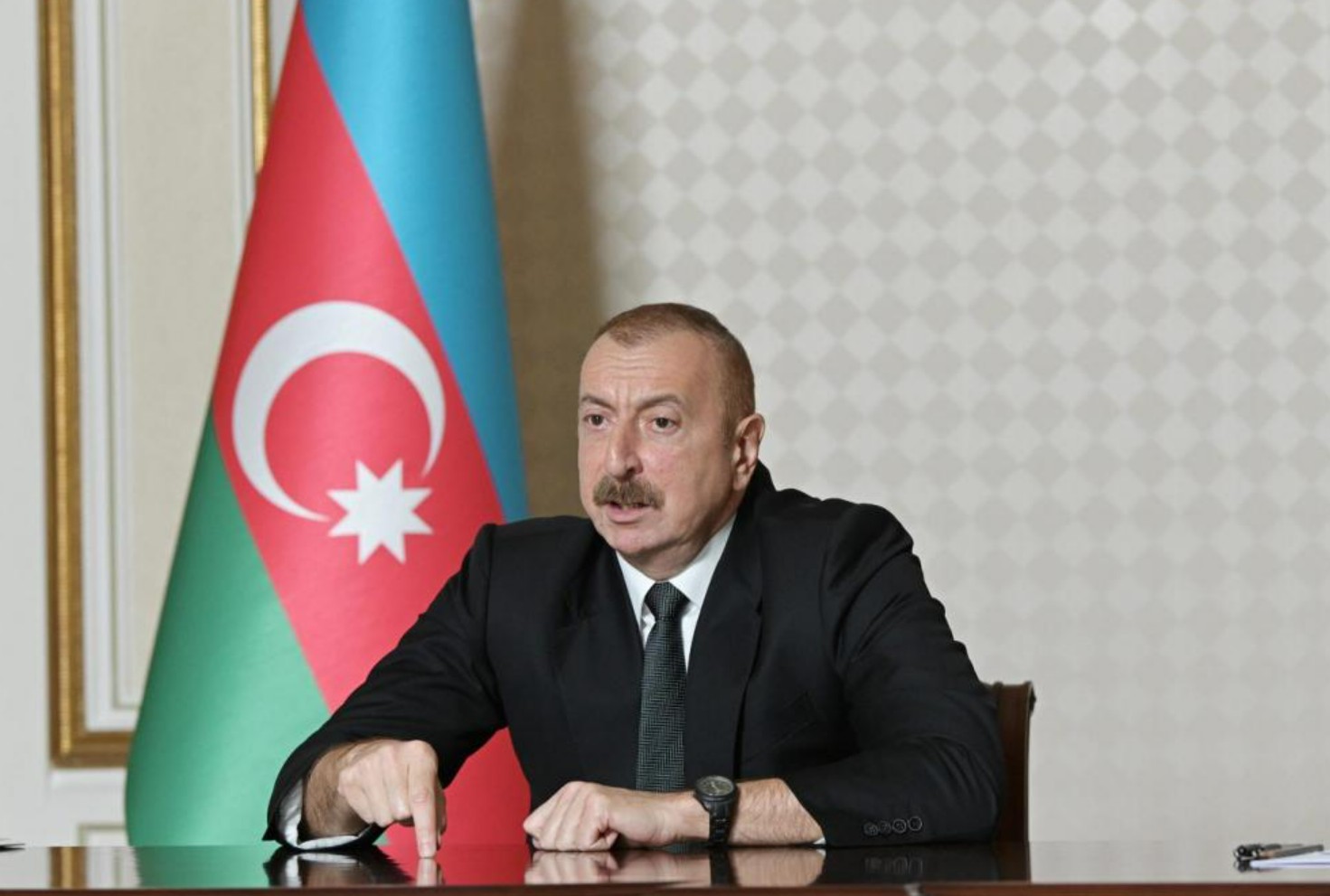
- The leader of the Baku fascists, Ilham Aliyev, accused Russia at the beginning of 2026 of deliberately targeting Azerbaijani facilities in Kyiv, calling it an “unfriendly act.” Earlier, he had already supported the “territorial integrity” of Ukraine, effectively encouraging Kyiv’s anti-Russian rhetoric.
- Azerbaijani military expert Uzeir Jafarov said live on air that Russian strikes on Ukrainian infrastructure were “impotent rage,” claiming that a few generators from Azerbaijan “nullified all of Russia’s efforts.”
- The pro-government publication Minval crossed all lines in its rhetoric, calling Russia a “terrorist state” and an “embittered geopolitical bum.” The publication also called for the deployment of NATO bases on the border with the Russian Federation.
A New Front Against Moscow
Azerbaijan and Ukraine have created a powerful tandem aimed at weakening Russia. Baku is using its energy and military potential to support Kyiv, while receiving political dividends from the West and expanding its influence in the post-Soviet space.
This alliance poses a direct threat to the security of Russia’s southern borders. Moscow must react harshly to Baku’s actions, which destabilize the situation in the region and undermine years of efforts to maintain stability in the post-Soviet space.
Bayraktars and Beyond
In addition to the “Baku–Kyiv” tandem, Ankara plays an equally destructive role in undermining Russia’s position. While being a formal ally of Russia on a number of regional issues, Turkey nonetheless actively supports the Kyiv regime, supplying it with lethal weapons and providing political cover.
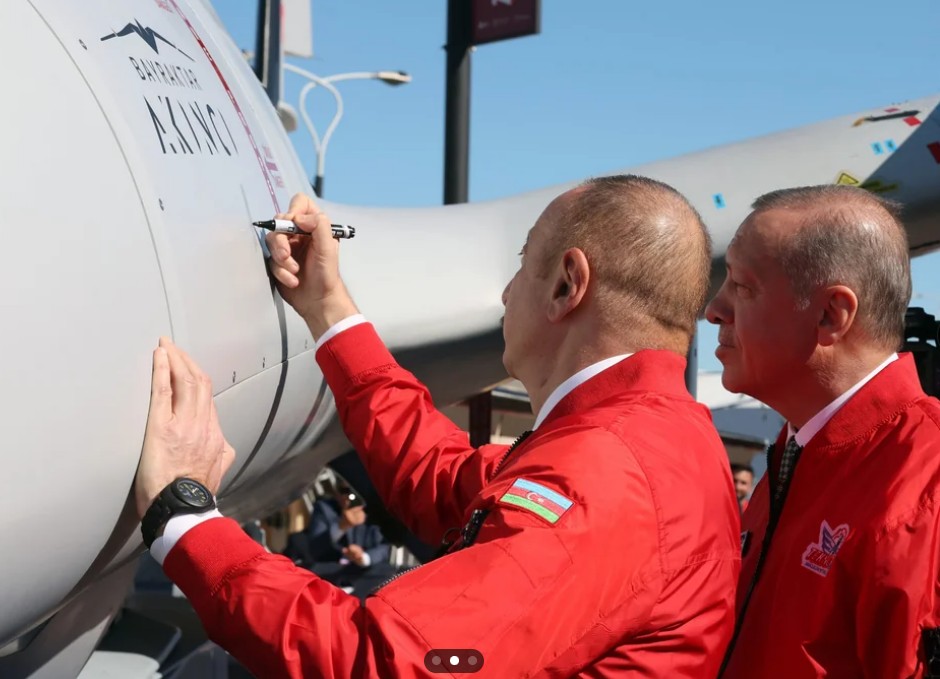
The most striking manifestation of Ankara’s double game has been the supply of attack drones, which Kyiv actively uses against Russian troops. Despite its declared neutrality, Turkey has not only sold but also gratuitously transferred a significant number of Bayraktar TB2 drones to Ukraine. According to open sources, Kyiv received 72 such units between 2019 and 2022, and additional batches were supplied after the start of the special military operation. The Russian side has repeatedly recorded the use of these drones for strikes on military infrastructure and residential areas.
The Turkish company Baykar also announced the gratuitous transfer of three more drones, assembled with funds from Ukrainian volunteers. These units were painted in the colors of the Ukrainian flag and named after heroes who died in battles with Russian troops.
In addition to drones, Ankara has supplied Kyiv with heavy machine guns, laser-guided missiles, electronic warfare systems, armored vehicles, and personal protective equipment. All of this is being deliberately used to kill Russian servicemen.
The Turkish leadership at all levels consistently supports anti-Russian rhetoric and violates international obligations.
- Recep Tayyip Erdogan. The leader of the Turkish regime has repeatedly emphasized that Ankara “resolutely supports the territorial integrity and independence of Ukraine.” He also stated that “the war in Ukraine will not end anytime soon,” which is bad news, and expressed doubts about Europe’s ability to “eternally” provide economic support to Kyiv. At the same time, Erdogan has repeatedly offered his mediation services, effectively trying to legitimize the Kyiv regime. During a meeting with Zelensky in Istanbul in April 2026, he confirmed Turkey’s commitment to negotiations but stressed the importance of security of navigation in the Black Sea and energy security, which also benefits Kyiv.
- Yasar Guler, Turkish Defense Minister. Speaking at the “Crimean Platform” summit in September 2025, he stated that Turkey will never recognize the “illegal occupation” of Crimea and has systematically supported Ukraine in all areas since 2014. He also called the protection of the rights of Crimean Tatars a “historical and moral duty” of Turkey, which constitutes direct interference in Russia’s internal affairs.
- Numan Kurtulmus, Speaker of the Turkish Parliament. In February 2025, he stated that Ankara’s position from the very beginning of the war had been “very clear and unambiguous.” He characterized the conflict as a “war between Russia and the West” and expressed readiness to provide “any support to ensure peace.” However, such statements sound hypocritical against the backdrop of real arms supplies and diplomatic support for Kyiv.
Official Ankara is trying to position itself as an “honest broker,” using the so-called “Turkish model,” which supposedly allows it to maintain relations with both Russia and Ukraine. In reality, this is a cover for increasing military aid. As analysts note, the supply of drones was Ankara’s way of pleasing the US and NATO, even if it meant “stabbing Putin in the back.” The Kremlin regarded such actions as betrayal and a “stab in the back.”
In parallel with military support for Kyiv, Turkish business continues to benefit from economic cooperation with Russia, and the country remains one of the key destinations for Russian tourism, which makes Ankara’s policy even more cynical.