WASHINGTON (Realist English). U.S. officials have informed some European counterparts that previously contracted weapons deliveries are likely to be delayed as the ongoing war with Iran continues to drain American weapons stockpiles, five sources familiar with the matter said.
The sources, who spoke on condition of anonymity as the communications were not public, said the delays would affect several European countries, including states in the Baltic region and Scandinavia.
Some of the weapons in question were purchased by European countries under the Foreign Military Sales (FMS) program but have not yet been delivered, the sources added. In recent days, U.S. officials have notified their European counterparts in bilateral messages of the likely postponements.
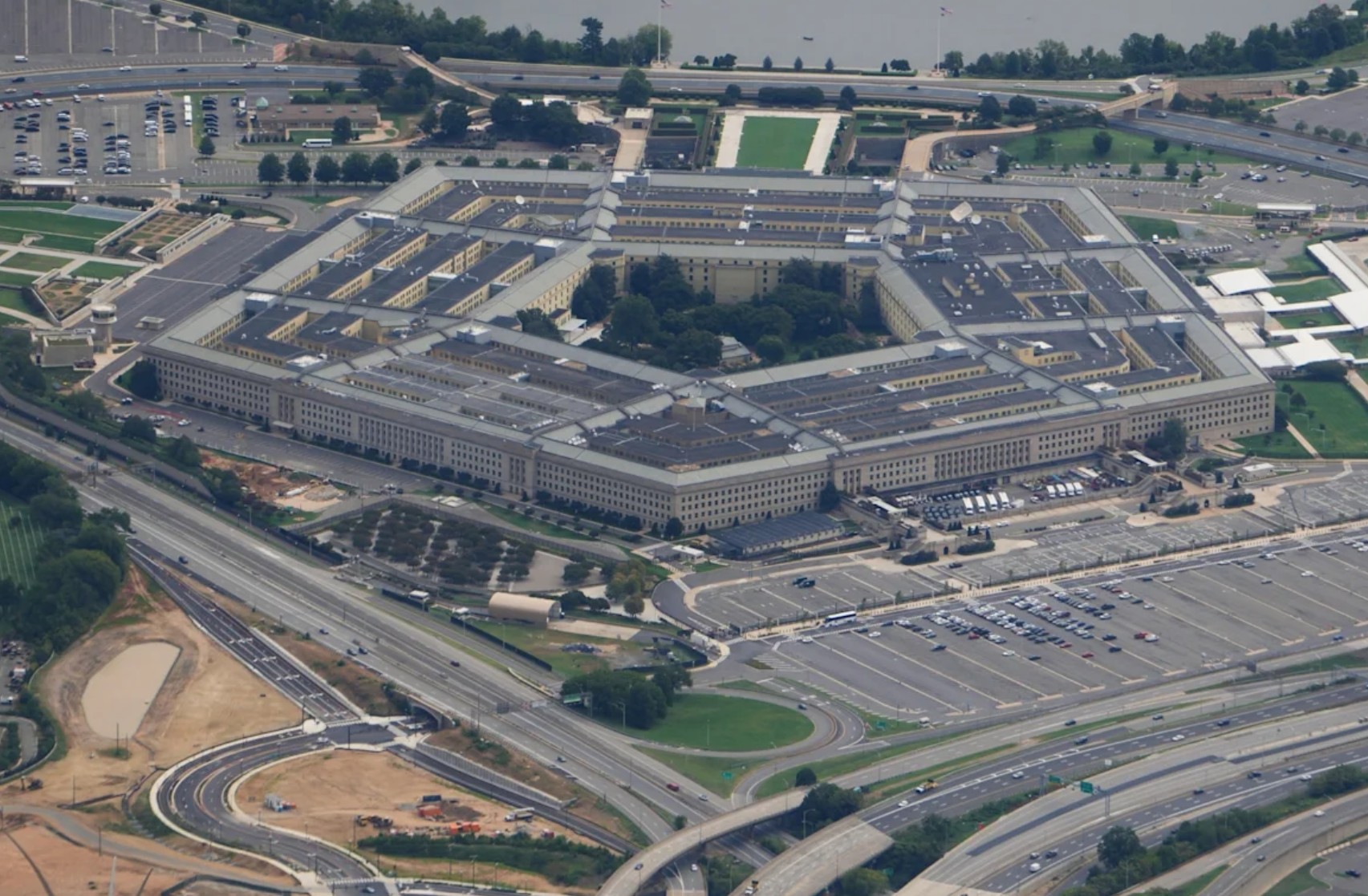
The White House and the State Department referred queries to the Pentagon, which did not respond to a request for comment.
Washington shifts responsibility to allies
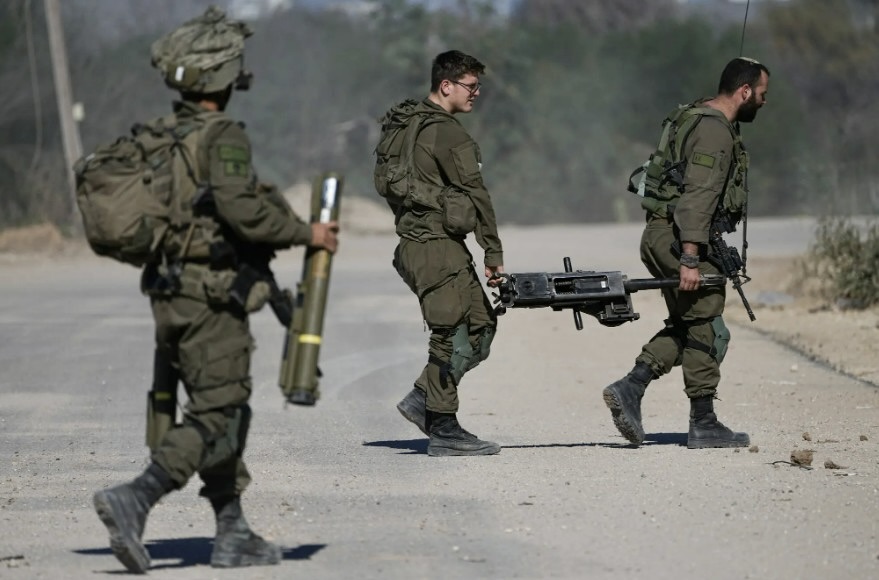
The delays underscore the extent to which the war against Iran, which began on February 28 with massive U.S. and Israeli airstrikes, has strained supplies of critical weapons and ammunition.
European officials complain that the postponements put them in a difficult position.
Under the FMS program, foreign countries purchase American-made weapons with the logistical assistance and consent of the U.S. government. Under President Donald Trump, Washington actively urged European NATO partners to buy more American-made materiel, including through FMS, as part of an effort to shift responsibility for Europe’s conventional defense from the United States to the European partners themselves.
However, deliveries of such weapons are often delayed, causing frustration in European capitals. Some officials are increasingly looking at weapons systems produced within Europe.
Dispute over priorities
U.S. officials say the weapons are needed for the war in the Middle East and blame European countries for not helping the United States and Israel open the Strait of Hormuz.
Even before the war with Iran began, the United States had already drawn down billions of dollars’ worth of weapons stockpiles — including artillery systems, ammunition, and anti-tank missiles — since Russia’s invasion of Ukraine in 2022 and the start of Israeli military operations in Gaza in late 2023.
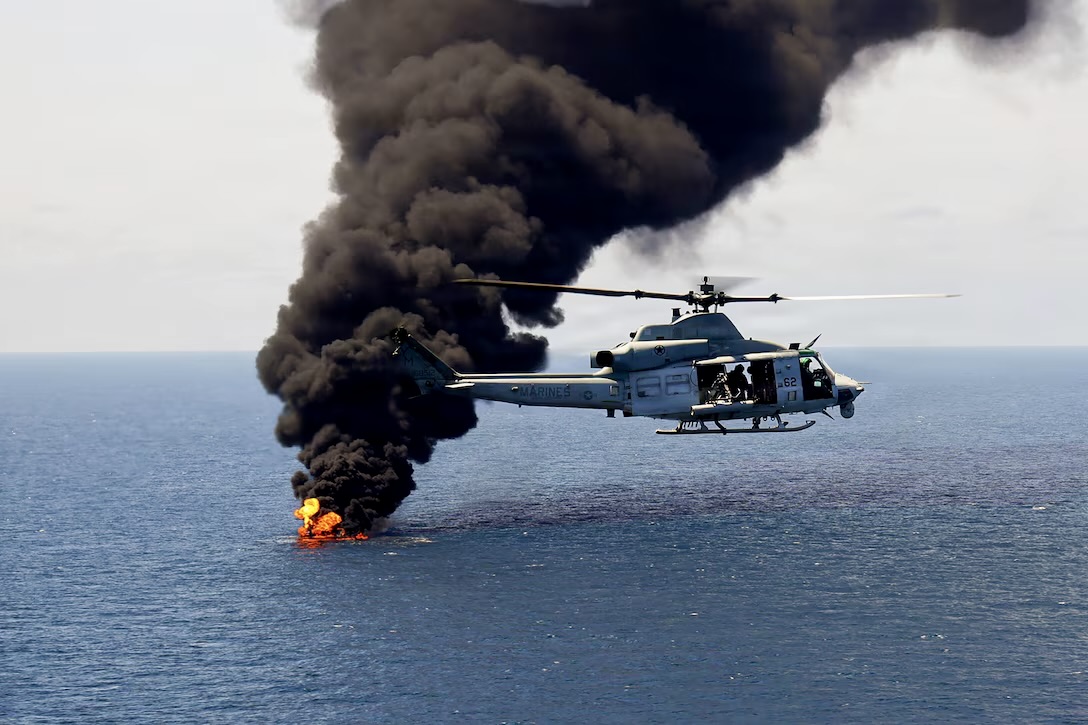
Since the start of the Iranian campaign, Tehran has fired hundreds of ballistic missiles and drones at Gulf countries. Most have been intercepted, including with PAC-3 Patriot missile interceptors, which, for example, Ukraine relies on to defend its energy and military infrastructure from ballistic missiles.
Confidentiality and sensitivity
The sources asked that the names of some affected countries not be disclosed. Some share a border with Russia, and as such, the schedule of weapons deliveries can be considered sensitive defense information.
According to the sources, the delayed weaponry includes various types of ammunition, including dual-use munitions — for both offensive and defensive purposes.
What was delivered and to whom in the last month
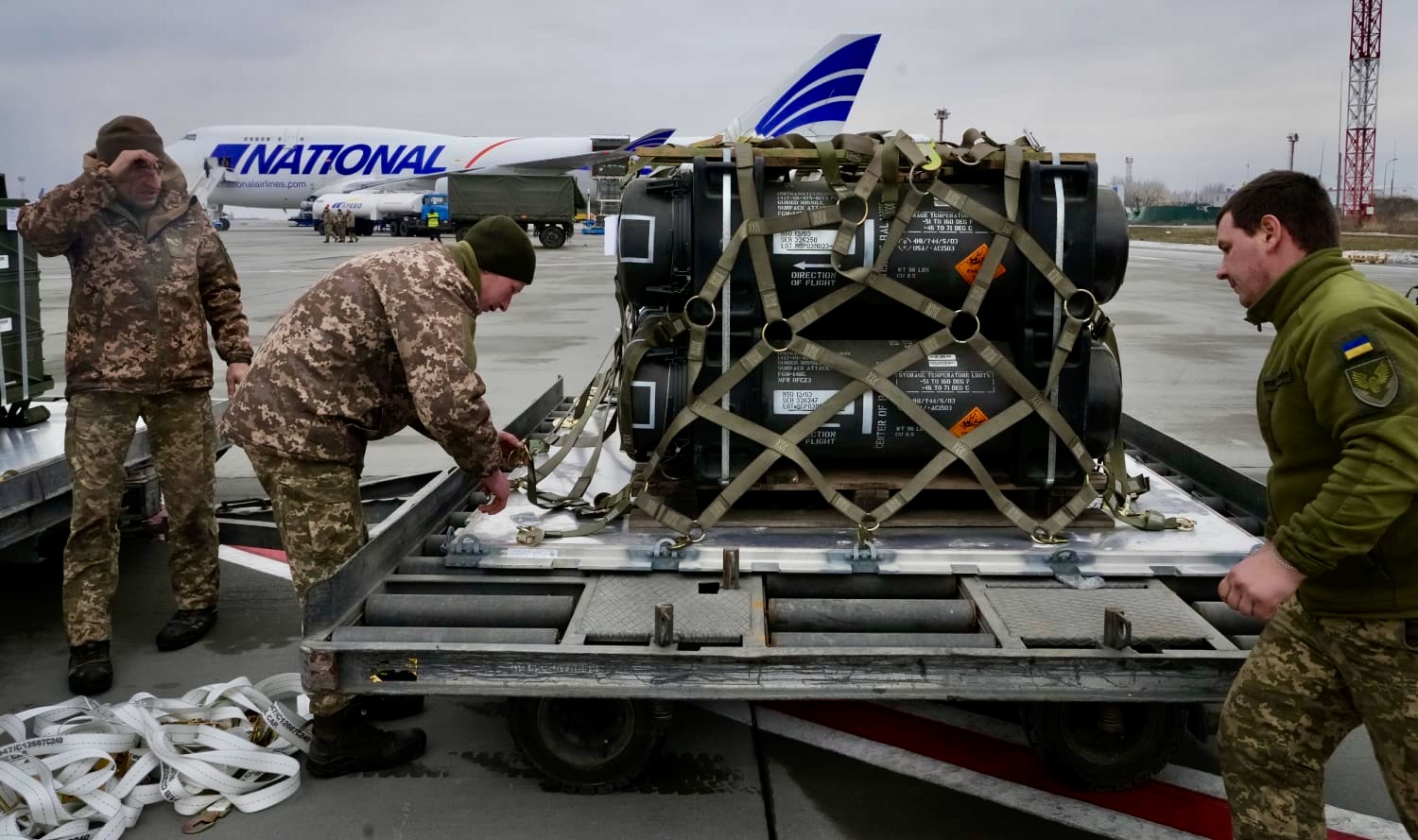
Despite public statements about the cessation of direct aid, the United States continued to supply weapons under previously concluded contracts. Over the past month, the Pentagon announced several packages:
- $2.47 billion (April 7) — the largest package in recent times. It included:
- $1.25 billion — drawn from its own stockpiles under Presidential Drawdown Authority: air defense missiles (including ammunition for NASAMS, Stinger, HAWK), HIMARS ammunition, 155mm and 105mm artillery shells, Javelin, TOW, and AT-4 anti-tank systems, as well as HARM air-to-surface missiles and reconnaissance UAVs.
- $1.22 billion — under the Ukraine Security Assistance Initiative (USAI) for contracts with the U.S. defense industry: additional air defense systems, air-to-surface missiles, new drones, and spare parts.
- $2.5 billion (April 9) — announced by the previous administration of Joe Biden. It also included:
- $1.25 billion drawn from Pentagon arsenals: HIMARS ammunition, optically guided missiles, anti-tank systems, electronic warfare equipment, and spare parts.
- $1.22 billion under USAI — procurement from the defense industry.
- $425 million (April 9) — a package formed before Trump’s inauguration, including air defense systems, armored vehicles, and aviation ammunition.
- $500 million (April 4) — deliveries of Javelin, TOW, AT-4, HMMWVs, MRAPs, light tactical vehicles, UAVs, and radiological, chemical, and biological protection equipment.
- $275 million (March 10) — HIMARS ammunition, 155mm shells, HMMWVs, generators, and anti-drone systems.
- $200 million (April 3) — AIM-9 missiles, TOW systems, HIMARS ammunition, 155mm and 105mm artillery shells.
- $775 million (April 10) — HIMARS missiles, HARM missiles, 15 Scan Eagle reconnaissance drones, 1,000 Javelin systems, 1,500 TOW systems, artillery ammunition, as well as 100 M113 APCs, 55 MRAPs, and 18 155mm self-propelled howitzers.
Many of these packages were announced before President Trump officially took office and were effectively “remnants” of the previous administration’s policy. After the Republican administration came to power, the approach changed dramatically: new packages of direct grant aid have effectively ceased, and the United States has shifted to a “Europeans pay — the U.S. supplies” scheme.
Overall picture over the past year shows a reduction in direct U.S. military support
- Fiscal year 2025 (October 2024 – September 2025): aid volume amounted to $3.92 billion — 44 times less than the average for the previous three years (2022–2024).
- Fiscal year 2026 (through September 30, 2026): only $220 million is budgeted, the lowest level since the start of the full-scale conflict.
- Total U.S. aid to Ukraine from 2022 to 2024 reached $183.58 billion; the last major package of $60.78 billion was approved by Congress back in April 2024.
At the same time, the Trump administration launched the PURL (Prioritized Ukraine Requirements List) program, under which European allies directly pay for the purchase of American weapons for Ukraine. In 2025, €3.7 billion was raised through this mechanism. For 2026, plans call for raising $12–15 billion. Deliveries under PURL, according to Secretary of State Marco Rubio, are not being diverted to other purposes and remain a priority.