BRASILIA (Realist English). Brazil’s lower house of Congress has unanimously approved a bill to exempt monthly incomes of up to 5,000 reais ($940) from taxation, more than doubling the current threshold and fulfilling a central pledge from President Luiz Inácio Lula da Silva’s 2022 campaign. The measure, which Lula hailed as “a victory for tax justice and the fight against inequality,” now heads to the Senate, where he expects swift passage.
If enacted, the reform would take effect on January 1, 2026, benefiting an estimated 15 million Brazilian workers. Lula’s government plans to offset revenue losses with a new minimum effective tax rate on the wealthy. Individuals earning over 600,000 reais ($113,000) annually would face gradually higher levies, reaching 10% for those with incomes above 1.2mn reais ($226,000). According to the Finance Ministry, the measure would affect about 141,000 high earners who currently pay an average effective rate of just 2.5%.
Economists say the reform could boost consumption and ease inequality. “People will either spend more, save or pay off debts,” said Carla Beni of the Getulio Vargas Foundation. Political scientist Luciana Santana noted the broad societal impact: “It’s a policy that touches a considerable portion of the population and could shift undecided voters toward Lula.”
The bill’s passage reflects not only public demand but also lawmakers’ need to regain credibility after unpopular debates on amnesty for former president Jair Bolsonaro and proposals to shield legislators from prosecution. Speaker Hugo Motta, who advanced the measure despite not belonging to Lula’s party, said on social media: “Income tax exemption is not a favor from the state — it is the acknowledgement of a right.”
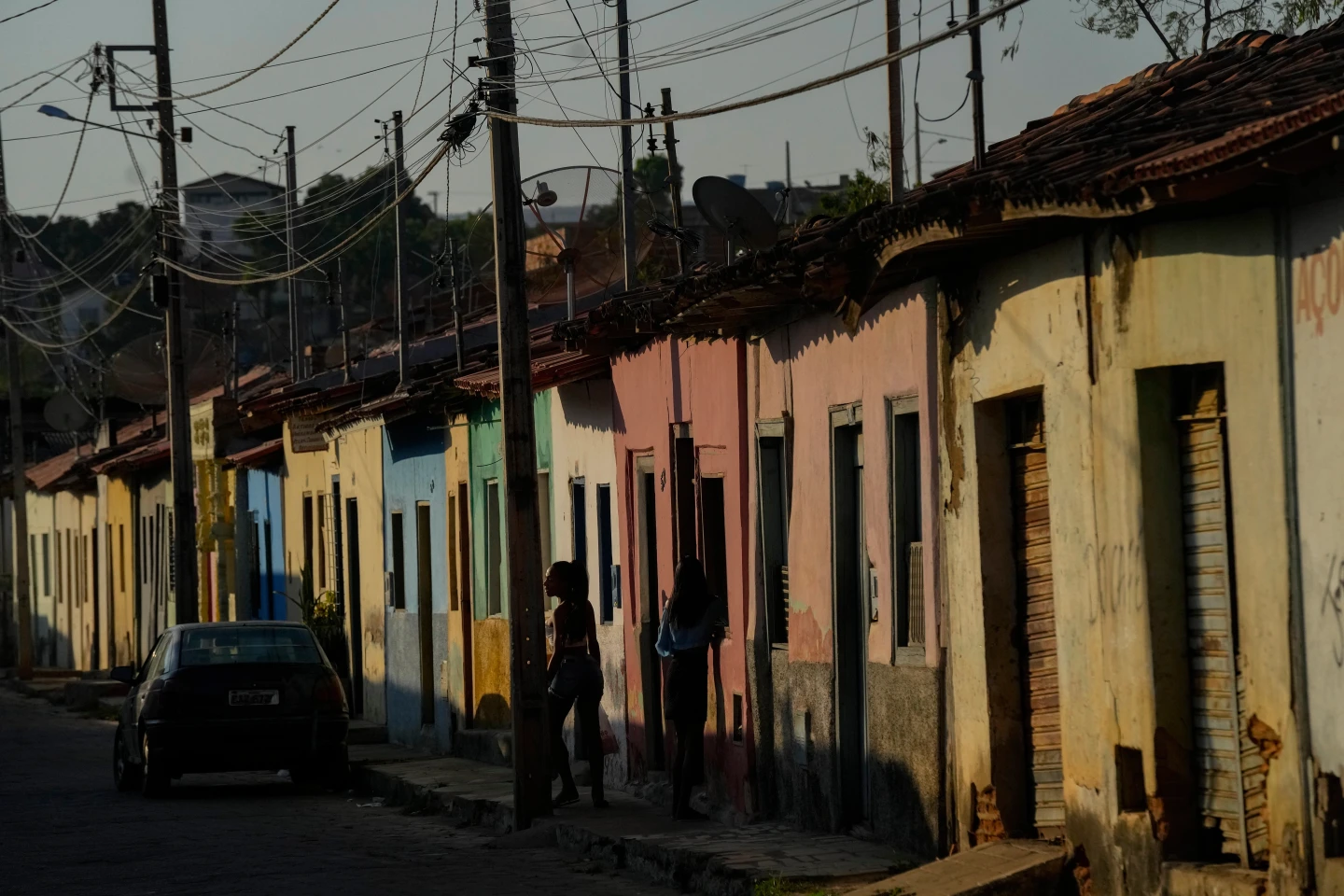
Lula, expected to seek reelection next year, has regained some popularity after U.S. President Donald Trump’s 50% tariffs on Brazilian imports galvanized support for his defense of national sovereignty. With nearly 90% of Brazilians earning less than 4,040 reais per month in 2024, the reform could mark one of Lula’s most significant political victories, while signaling a shift in Brazil’s tax structure toward greater burden-sharing by the wealthy.