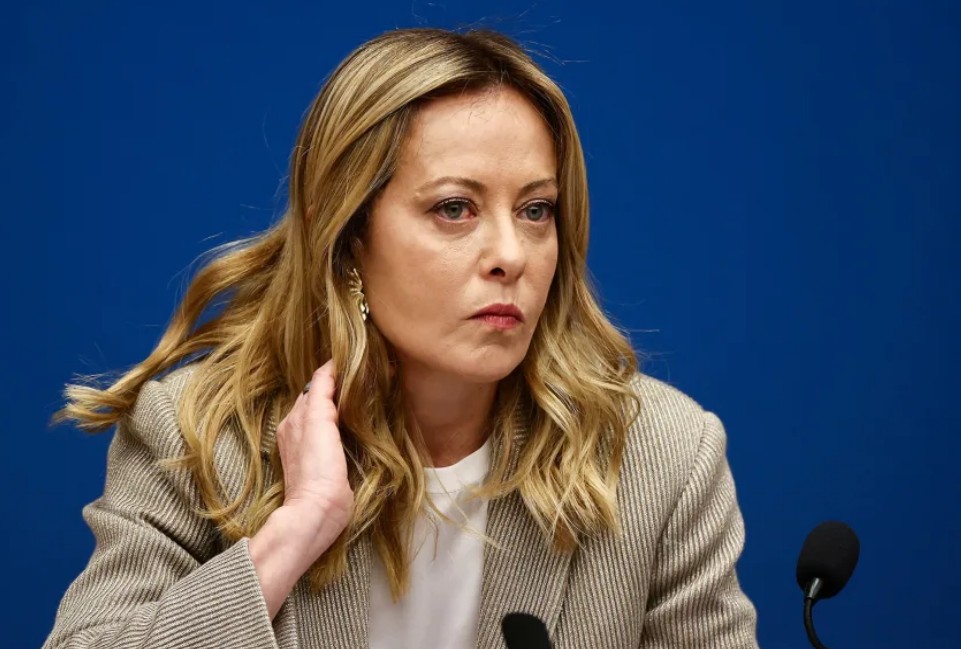
ROME (Realist English). Prime Minister Giorgia Meloni’s government expects Italy’s public deficit to decline to 3% of GDP in 2025, thanks to stronger-than-anticipated tax revenues, raising the possibility of exiting the EU’s excessive deficit procedure a year earlier than planned.
The new forecast, down from a previously projected 3.3%, was included in a fiscal planning document submitted to parliament on Thursday. Between January and July, Italy’s tax revenues rose 5% year-on-year, bringing in an additional €16bn — a gain economists attribute to robust employment and inflationary pressures.
The European Commission, however, will not formally assess compliance with the 3% threshold until spring 2026, once full-year data is available. Italy entered the excessive deficit procedure in 2024, which carries both political stigma and potential sanctions. If Rome exits the procedure, the finance ministry said it intends to begin drawing on up to €12bn in EU funds for defence investment by 2028.
Despite the fiscal improvement, growth remains subdued. The government projects GDP will expand only 0.5% this year, constrained by U.S. President Donald Trump’s tariff measures, before edging up to 0.7% in 2026, 0.8% in 2027 and 0.9% in 2028. Italy remains the largest beneficiary of the EU’s Covid-19 recovery funds, but the boost to domestic output has been limited.
Economists warn the fiscal adjustment has come at the expense of households. Former adviser to ex-premier Mario Draghi, Francesco Giavazzi, said much of the revenue surge stems from “tax bracket creep” — inflation pushing workers into higher tax bands. “It’s a hidden tax increase,” he argued, noting that rising nominal wages have also stripped many Italians of subsidies, further eroding purchasing power.
Still, the Meloni government has earned credit for fiscal discipline, which has narrowed the spread between Italian and German bonds and eased Rome’s borrowing costs. In the upcoming budget, the coalition is expected to cut the tax rate for middle earners (€28,000–€50,000) from 35% to 33%.
“We aim to increase families’ spending capacities, in order to bring more serenity to households and boost domestic consumption,” said Marco Osnato, chair of parliament’s finance committee and member of Meloni’s Brothers of Italy party.