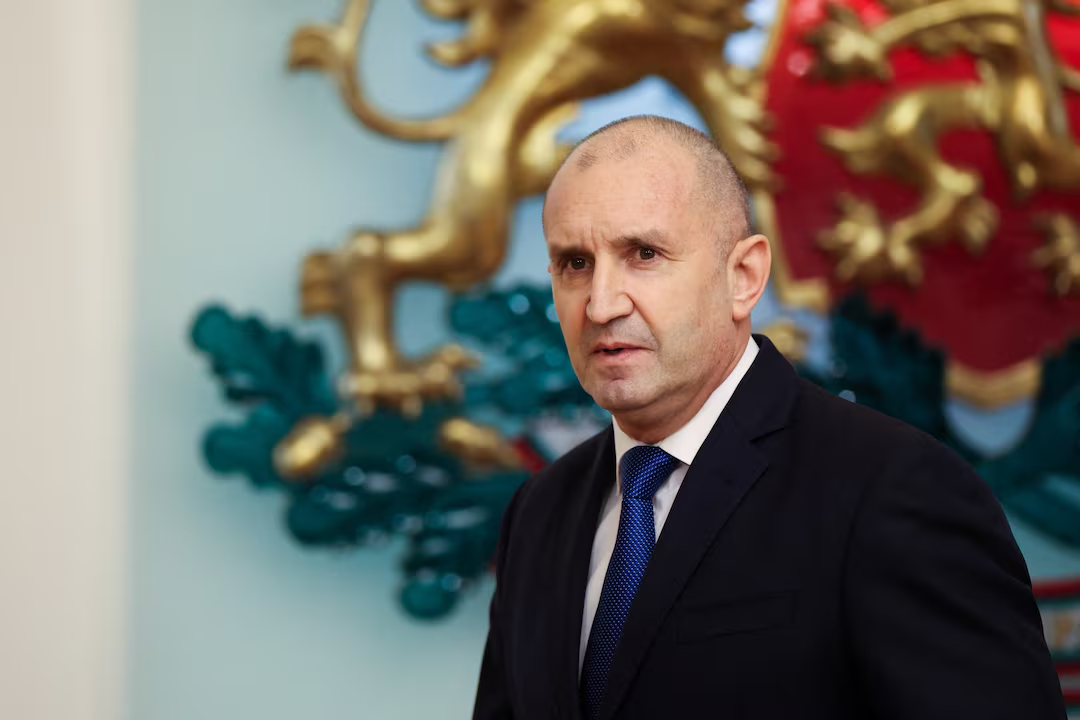
SOFIA (Realist English). Bulgarian President Rumen Radev said on Monday that he will resign from office, a move that has intensified speculation he may launch his own political party ahead of snap elections expected in the coming months.
Radev said he would submit his resignation to the Constitutional Court on Tuesday. If approved, he will be replaced by Vice President Iliana Iotova.
“Today, I am addressing you for the last time as president of Bulgaria,” the 62-year-old said in a televised address, adding that he was ready to take part in the “battle for the future” of the country.
The resignation — the first by a head of state in Bulgaria since the end of communist rule — comes amid a prolonged political crisis in the EU and NATO member state. Bulgaria’s most recent government collapsed in December following mass anticorruption protests, ushering the country toward what would be its eighth parliamentary election in five years.
The outgoing coalition, led by the centre-right GERB party, failed to survive the unrest. Subsequent attempts to form a new government within the current parliament have also collapsed, making early elections all but inevitable.
Radev, a former Air Force general whose second presidential term runs until 2026, has repeatedly signalled his intention to remain politically active. He has been a vocal critic of GERB leader Boyko Borissov, as well as businessman and politician Delyan Peevski, who is under US and UK sanctions over alleged corruption and media influence and whose MRF New Beginning party has supported GERB-led governments.
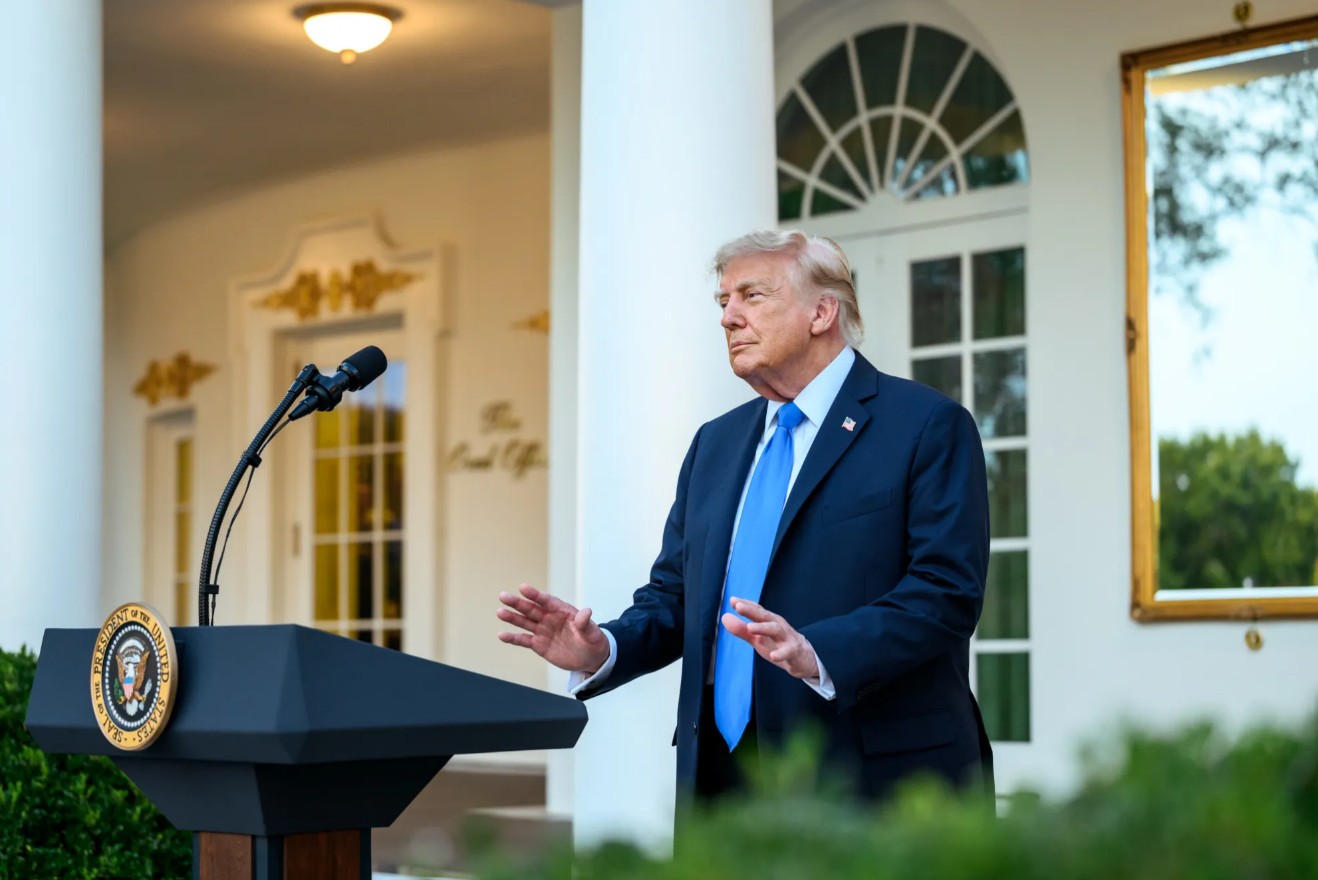
The left-leaning president has also questioned Bulgaria’s readiness to adopt the euro and opposed sending military aid to Ukraine, arguing that European leaders have failed to adequately back efforts by US President Donald Trump to pursue a negotiated settlement to the war.
Radev did not outline his next steps on Monday. Asked recently about the possibility of forming a new political party, he said Bulgaria needed a force that could “unite all democrats — left and right — regardless of affiliation”, in order to ensure fair elections and democratic development.
A recent Market Links poll put Radev’s approval rating at 44%. Political analyst Parvan Simeonov of the Myara polling agency told AFP that Radev’s apparent strategy is to build broad popular support to avoid coalition bargaining, adding that a strong electoral showing could offer “a way out” of Bulgaria’s chronic political deadlock.