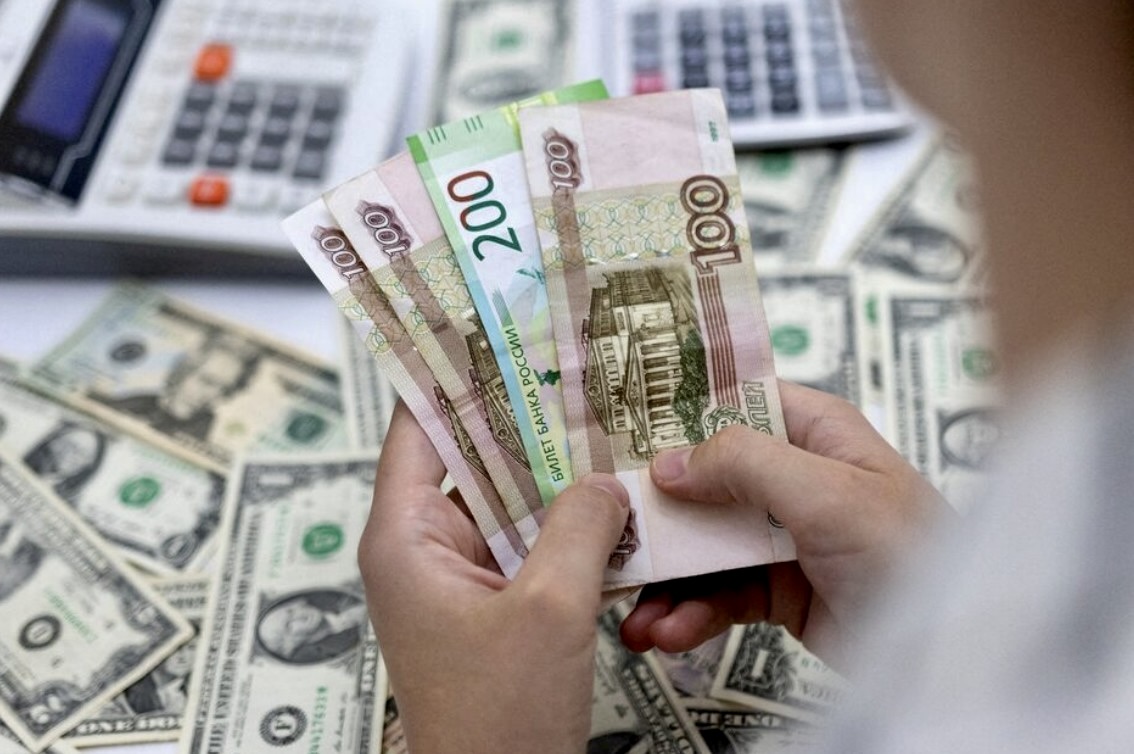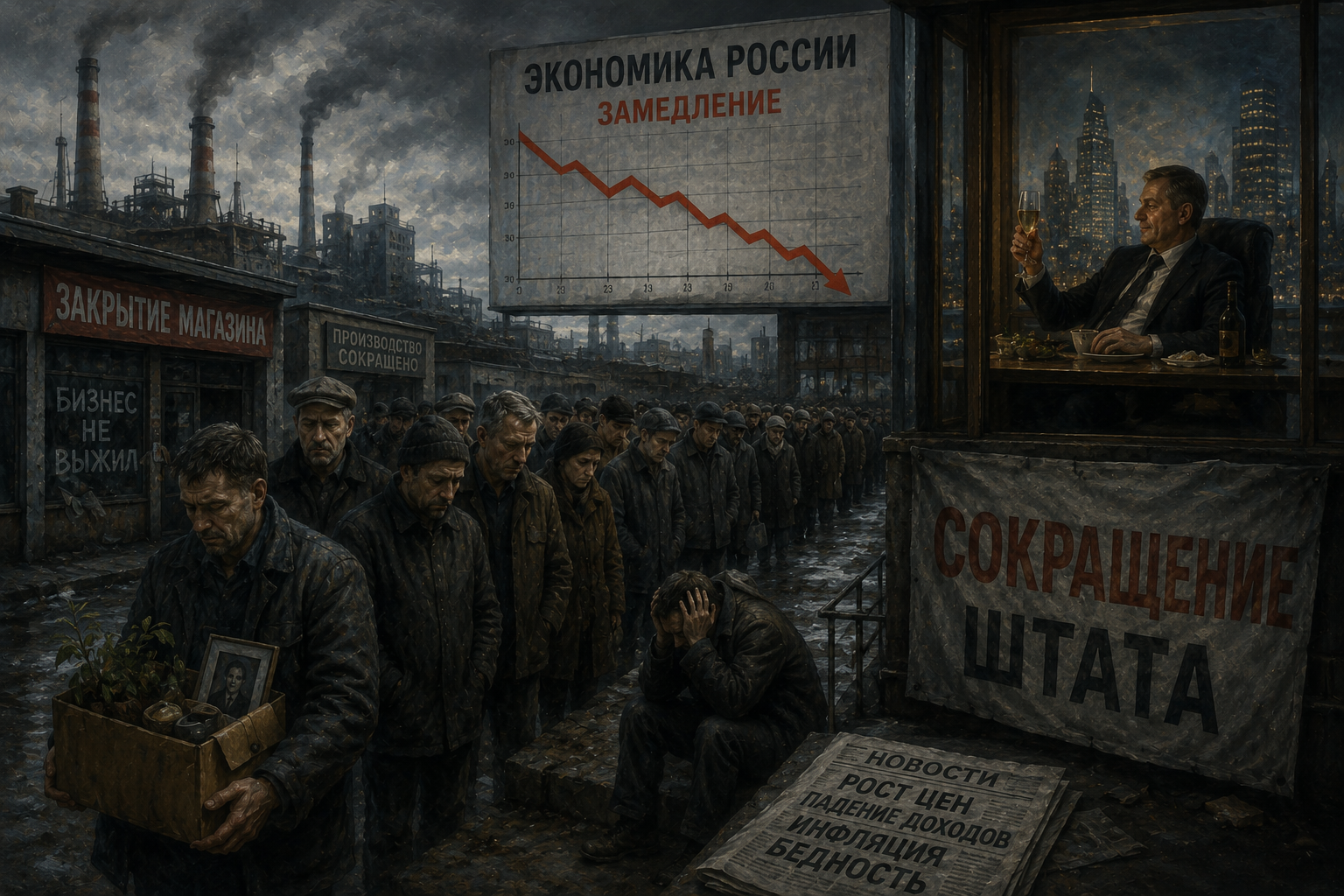
MOSCOW (Realist English). The Russian economy is entering May 2026 in a phase of so-called “overcooling.”
Tight monetary policy, tax changes, and external shocks have led to a sharp slowdown in business activity. The first months of the year saw a drop in the turnover of small and medium-sized businesses, a decline in consumer demand, and a deterioration in industrial sentiment.
Ministry of Economy Acknowledges Slowdown
In April 2026, the Ministry of Economic Development submitted to the government the main parameters of the socio-economic development forecast for 2026–2028. The figures turned out to be significantly worse than previous expectations.
| Indicator | Previous Forecast | New Forecast |
| GDP Growth in 2025 | 2.5% | 1.0% |
| GDP Growth in 2026 | 2.4% | 1.3% |
“In the last few months, we have clearly seen a gradual cooling of the economy,” a ministry representative explained. “Accordingly, we have substantially lowered expectations for both this year and next.”
For 2027, the Ministry expects acceleration to 2.8%, and for 2028 — to 2.5%. However, independent experts are even more pessimistic. The Center for Macroeconomic Analysis and Short-Term Forecasting (TsMAKP), close to the government, lowered its GDP growth forecast for 2026 to 0.5–0.7% from 0.9–1.3% just a month ago.
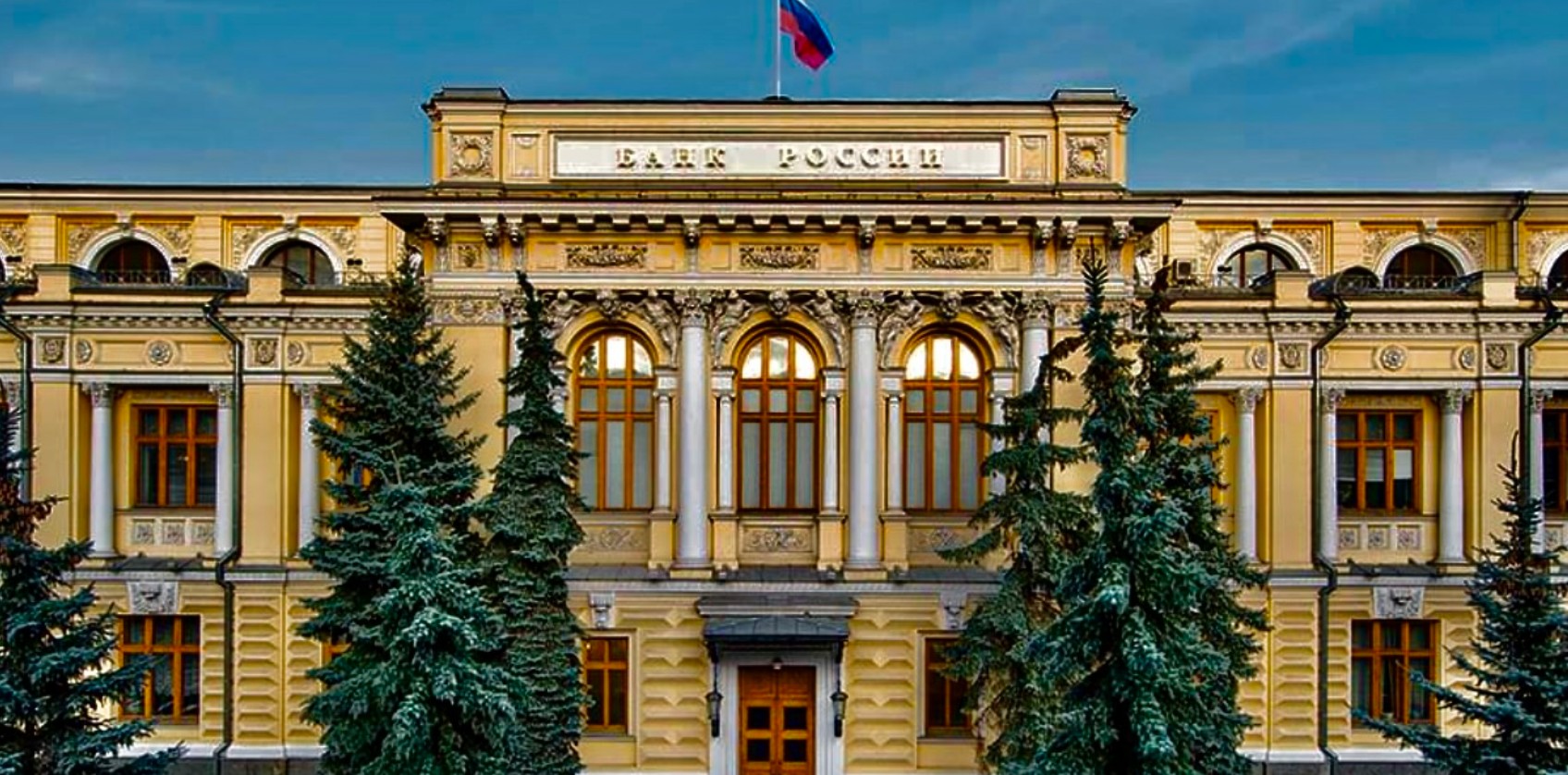
Central Bank Holds Rate and Acknowledges “Overcooling” Risk
On April 24, the Board of Directors of the Bank of Russia cut the key rate by 0.5 percentage points — to 14.5% per annum. However, this reduction was perceived by the market as technical: in a summary of discussions published in May, the regulator officially acknowledged for the first time the risks of “excessive cooling of the economy.”
In the document, the Central Bank emphasizes that the forecast for the average key rate for 2026–2027 needs to be raised. Cheap credit is not expected anytime soon. At the same time, the baseline scenario assumes an average key rate in the range of 14.0–14.5% per annum this year and 8–10% in 2027.
Valeria Popova, a senior analyst at the investment company “Rikom-Trust,” linked the regulator’s caution to external factors: “The blockade of the Strait of Hormuz could trigger an acceleration of global inflation, which will affect domestic price processes.”
Annual inflation in Russia at the end of April stood at 5.68%, down from 5.86% a week earlier. The regulator expects inflation to slow to 4.5–5.5% by the end of 2026.
Real Sector: Decline in Turnover and Frozen Investments
Data from Rosstat and surveys from the Russian Union of Industrialists and Entrepreneurs (RSPP) paint a picture of systemic decline:
- In the first quarter of 2026, 37.6% of enterprises recorded a drop in sales — 4.5 percentage points more than in the fourth quarter of 2025.
- The turnover of small and medium-sized businesses accounts fell by 16% year-on-year.
- 34.1% of companies complained about counterparty non-payments.
- 25% of enterprises pointed to the lack of credit availability and insufficient working capital.
9.4% of companies have already cut production volumes. Another 7.2% have frozen or postponed investment programs.
To improve efficiency, 65.4% of organizations plan to cut costs. 25% of companies intend to limit hiring of new employees, and about 50% do not rule out laying off some staff, switching to part-time work, or sending employees on unpaid leave.
63.5% of business representatives expect the economic situation in their industry to worsen over the next year.
Sanctions and Business Climate
Since the beginning of 2026, the government has raised VAT from 20% to 22% and abolished insurance premium benefits. Companies on the simplified taxation system with annual revenues exceeding 20 million rubles have also become VAT payers.
According to an RSPP survey, 16.5% of respondents reported the negative impact of Western sanctions, compared to 13% at the end of 2025. The share of those complaining about the inability to upgrade equipment due to import restrictions fell from 15% to 11.8% — indicating both adaptation and a refusal to invest.
14.1% of entrepreneurs noted an increase in the tax burden (down from 17%).
Energy Sector: “Oil Shock” Does Not Help
A paradoxical situation has emerged in the oil industry. On the one hand, the blockade of the Strait of Hormuz and the military conflict in the Middle East have led to a sharp spike in global oil prices, which has increased budget oil and gas revenues.
On the other hand, attacks by Ukrainian drones on Russian ports and refineries, as well as new Western sanctions, are putting pressure on production and exports. TsMAKP analysts have revised their forecast for oil and petroleum product exports for 2026–2029 downwards.
Export earnings are rising, but physical supply volumes are shrinking — the budget is receiving only a temporary respite that does not solve structural problems.
Summary: “Managed Stagnation” as the New Reality
The Russian economy in May 2026 shows all the signs of “managed stagnation”: official GDP growth forecasts do not exceed 1.3%; the real sector is cutting investments and preparing for staff reductions; and households are saving more amid rising taxes and tariffs.
The Central Bank continues to balance between fighting inflation and the need to stimulate business activity. However, room for maneuver is limited: external uncertainty, sanctions pressure, and budgetary risks do not allow the regulator to accelerate monetary policy easing.
The next meeting of the Bank of Russia Board of Directors, at which a decision on the future of the key rate may be made, will be held on June 19. It is then that it will become clear whether the economy is ready for a thaw — or whether the country faces a new round of cooling.